Prominent religious, traditional and international leaders have called for the deliberate inclusion of women in security planning and peacebuilding efforts, describing their participation as vital to addressing insecurity, particularly in Nigeria’s Northwest.
The appeal was made at the Northwest Regional Conference on Women, Peace and Security (WPS), organised by Partners West Africa Nigeria in collaboration with Global Rights, with support from the United Kingdom’s Foreign, Commonwealth and Development Office (FCDO) Integrated Security Fund.
The conference brought together traditional rulers, clerics, security agencies, civil society groups and government representatives from Katsina, Kebbi, Sokoto and Kano states to assess community-based peacebuilding initiatives and discuss sustainable strategies.
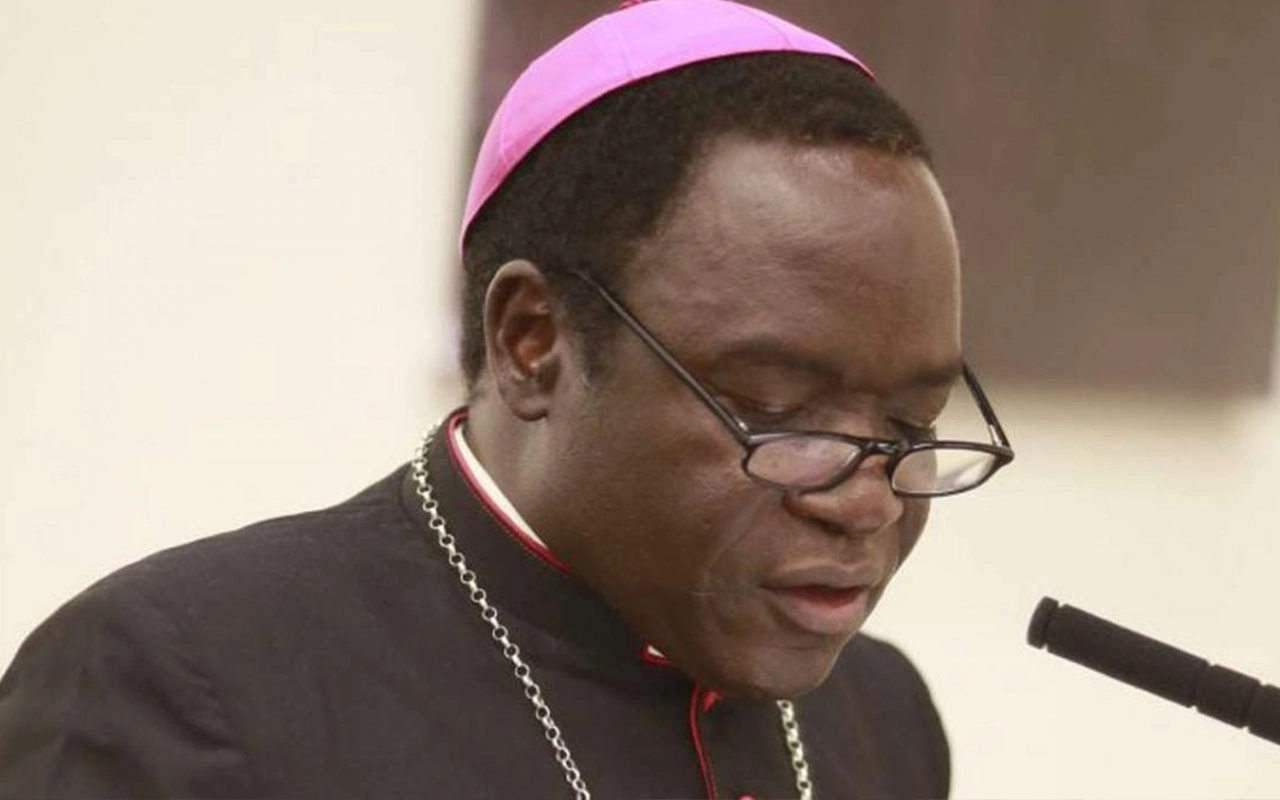
Delivering the keynote address, the Catholic Bishop of Sokoto Diocese, Matthew Hassan Kukah, stressed that Nigeria cannot overcome insecurity without addressing structural and cultural barriers that marginalise women and vulnerable groups.
He noted that while legal and religious frameworks exist to promote justice, their impact depends on fair interpretation and implementation. According to him, religion and culture have sometimes been misused to justify discrimination but can also serve as tools for liberation and equality.
Kukah urged women to assert their rights and actively participate in shaping the nation’s future, emphasising that excluding them from peace and security decisions weakens society.
“If families are strong, communities will be strong, and the nation will be strong,” he said, adding that women already shoulder much of the responsibility for holding communities together.
The Sultan of Sokoto, Muhammadu Sa’ad Abubakar, also reaffirmed the commitment of traditional institutions to peacebuilding and gender inclusion. Represented by Dr Mohammed Jabi Kilgori, Senior Counsellor of the Sultanate Council and District Head of Kilgori, he described traditional rulers as frontline actors in conflict prevention, noting that most security challenges emerge first at the community level.
British Deputy High Commissioner to Nigeria, Gill Lever Obe, said evidence from UK-supported programmes in the Northwest indicates that communities are safer and more resilient when women and marginalised groups are included in justice and peace processes.
She revealed that gender-based community dialogue committees were established under the initiative, with women making up as much as 40 per cent of participants. According to her, strengthened community safety partnerships and improved police-community relations have enhanced access to justice and rebuilt trust.
In her opening remarks, Executive Director of Partners West Africa Nigeria, Kemi Okenyodo, described the conference as a platform for reflection and policy dialogue rather than simply the conclusion of a project phase.
She explained that the organisation implemented a project focused on strengthening inclusive peacebuilding structures and improving access to justice in Katsina and Kebbi states, while Global Rights carried out related interventions in Sokoto and Kano.
Okenyodo emphasised that sustainable peace depends on collaboration between government institutions, civil society and local communities.
Also speaking, the Senior Special Assistant to the President on Community Engagement (North-Central), Abiodun Essiet, underscored the need for grassroots-driven approaches to addressing insecurity. She highlighted the importance of culturally sensitive strategies to prevent gender-based violence and promote resilience.
“Women play a critical role in peacebuilding and social cohesion. Their inclusion in decision-making processes is essential for lasting peace,” she said.

Featured
 News MasterUpdated 1 hour Ago2 Mins read
Sultan, Kukah, UK Government Advocate Greater Role for Women in Tackling Insecurity
News MasterUpdated 1 hour Ago2 Mins read
Share




Related Articles
Featured
Ndimande Brothers to Seek Bail in AKA Murder Case
Siyabonga and Malusi Ndimande, accused of orchestrating the murders of rapper Kiernan...
Featured
Governor Alia Pledges to Restore Peace to Benue’s Sankera Region Amid Rising Tensions
Benue State Governor, Hyacinth Alia, has reassured residents of the Sankera region...
Featured
Attorney General of the Federation, Fagbemi, Takes Charge of Malami’s Prosecution, Promises Unbiased Legal Process
The Attorney General of the Federation (AGF), Abubakar Fagbemi, has officially taken...
Featured
Dele Momodu Criticizes Government’s Rising Debt, Says Tinubu Administration Has Borrowed More Than All Previous Governments Combined
In a recent statement, renowned Nigerian journalist and public figure, Dele Momodu,...




Leave a comment