The Federal Government has announced plans to introduce routine hearing checks in primary schools and expand newborn hearing screening across the country to ensure early detection of hearing problems and promote inclusive learning environments.
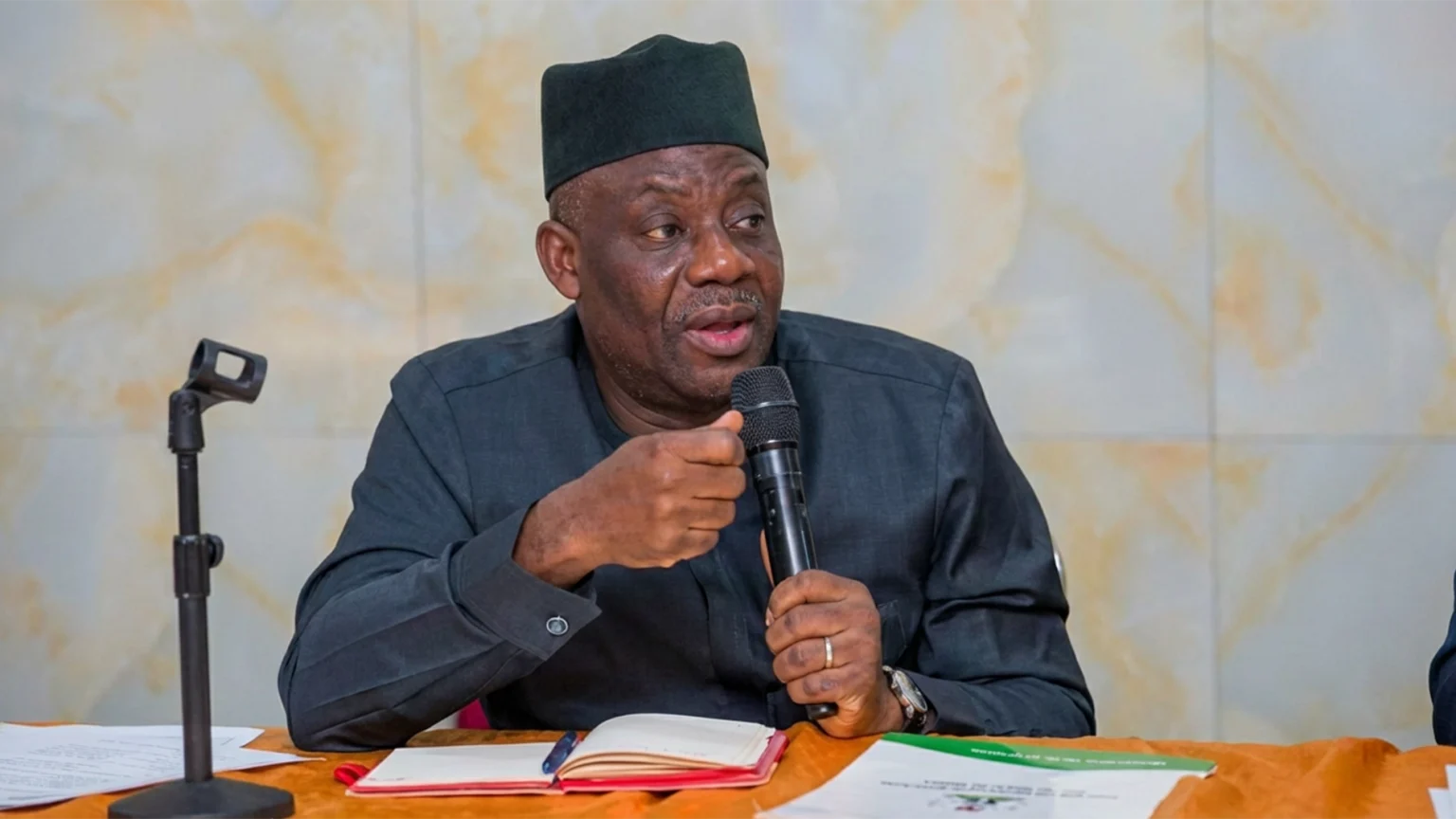
The Minister of State for Health and Social Welfare, Dr. Adekunle Salako, disclosed this in Abuja while marking World Hearing Day 2026. He emphasised that hearing plays a vital role in communication, learning and social interaction, particularly in children’s cognitive development, academic success and emotional well-being.
Salako cited findings from the World Health Organisation (WHO) Global Burden of Disease Study 2021, which revealed that about 90 million children and adolescents aged five to 19 years worldwide live with hearing loss, many of which go undetected, especially in low-resource settings.
He explained that more than 60 per cent of childhood hearing loss is preventable through simple and affordable public health measures, stressing that early detection and treatment are essential to avoid long-term developmental and educational challenges.
The theme for this year’s World Hearing Day, “From Communities to Classrooms: Hearing Care for All Children,” highlights the importance of preventing avoidable hearing loss and ensuring early care for children with ear or hearing difficulties.
According to Salako, several preventable factors continue to contribute to hearing impairment among Nigerian children, including untreated ear infections, exposure to excessive noise, maternal infections during pregnancy and limited access to early screening services.
He warned that untreated hearing loss can result in delayed speech development, poor academic performance and long-term socio-economic difficulties.
To strengthen national coordination on hearing care, Salako revealed that the National Eye Health Programme has been expanded to include ear, hearing and other sensory health activities. The initiative will now operate as the National Eye, Ear and Sensory Health Functions Programme.
He added that the mandates of Eye Health Desk Officers in the 36 states and the Federal Capital Territory have also been broadened to cover hearing health, while the ministry is developing policies, governance structures and national guidelines to integrate hearing and sensory health services into Nigeria’s healthcare system.
Salako stressed that effective hearing care must begin within communities, urging parents, caregivers and primary healthcare workers to watch for warning signs such as delayed response to sound, persistent ear pain and speech delays, and seek prompt medical attention.
He reaffirmed the Federal Government’s commitment to ensuring access to hearing care for every child and called on parents, educators, healthcare professionals, development partners and the media to work together to protect children’s hearing.
“Simple steps such as protecting children from excessive noise, ensuring timely vaccinations and encouraging regular hearing checks can prevent the majority of childhood hearing loss,” he said.
The World Health Organisation also stressed that integrating systematic hearing screening and early intervention programmes into school and child health services could significantly improve outcomes for children with hearing problems.
WHO noted that hearing loss often develops gradually and, if untreated, can affect a child’s speech, language, cognitive and social development, leading to poor educational performance, reduced job opportunities and long-term economic disadvantages.
The organisation therefore urged stronger collaboration between professionals in ear and hearing care, school health, child health, eye care, primary healthcare and education to enhance prevention and treatment efforts.

National
 News MasterUpdated 2 hours Ago2 Mins read
FG to Introduce Routine Hearing Checks in Primary Schools, Expand Newborn Screening
News MasterUpdated 2 hours Ago2 Mins read
Share


Related Articles
National
IGP Inaugurates Committee on State Police as Debate Over Policing Reform Intensifies
Inspector-General of Police (IGP), Olatunji Disu, has inaugurated a committee to examine...
National
Gauteng MEC Mamabolo Denounces Politicisation of Water Crisis
Gauteng’s Co-operative Governance and Traditional Affairs MEC, Jacob Mamabolo, has criticized the...
National
FG Introduces 1% Presumptive Tax for Informal Sector, Prohibits Roadside Collections
The Federal Government has introduced a one per cent presumptive tax regime...
National
House of Reps Moves to Create Nigerian Fintech Regulatory Commission
The House of Representatives has initiated legislative steps to establish a Nigerian...


Leave a comment