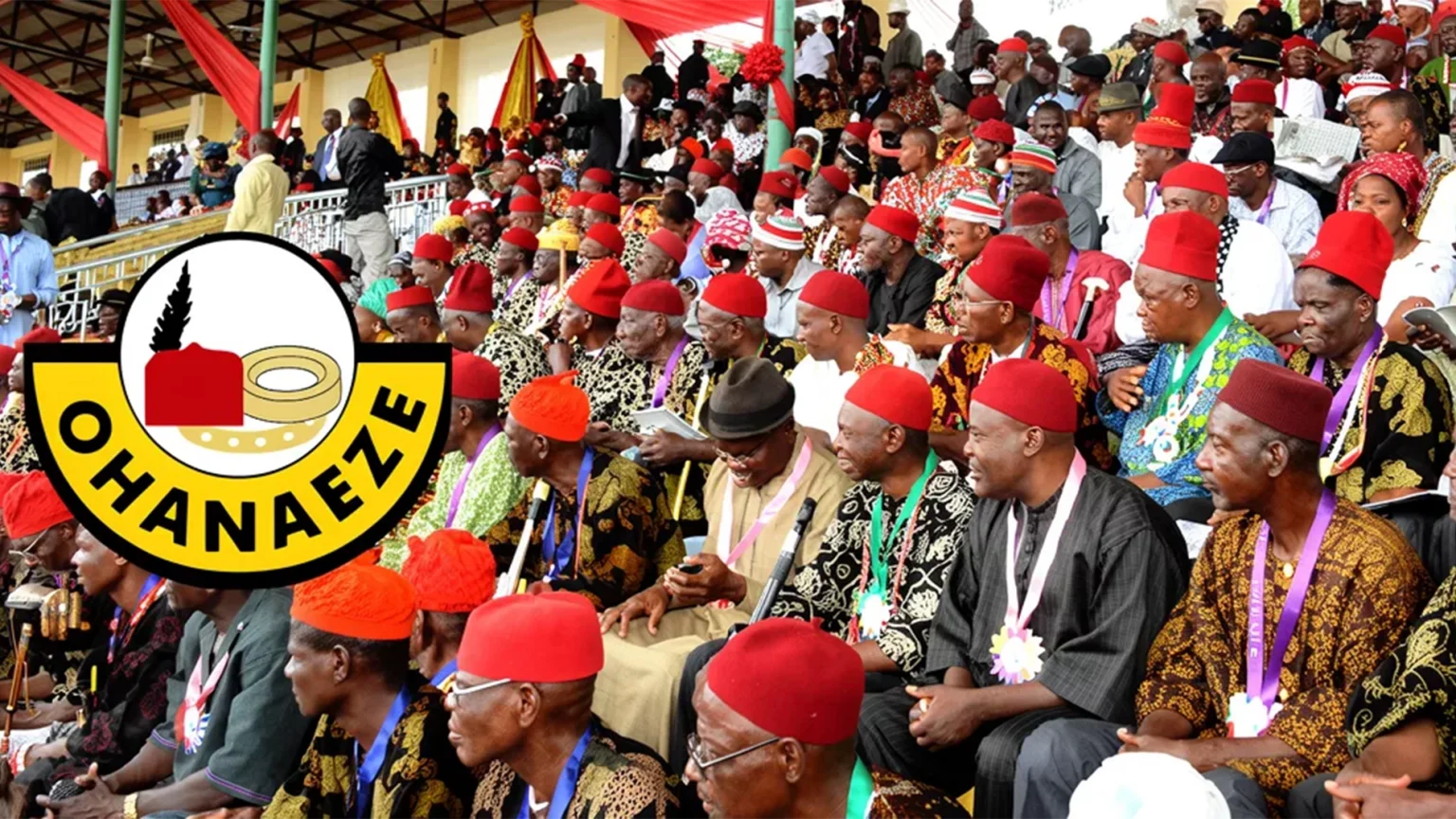
A pan-Igbo socio-political organisation, the Ndi Igbo Worldwide Union, has rejected the ongoing proposal to establish state police in Nigeria, urging the Federal Government to instead restore a regional policing structure similar to the system that existed before the 1966 military coup.
In a statement issued on Sunday and signed by its President, Mazi Ben Nwankwo, and Secretary, Chief Charles Edemuzo, the group argued that regional policing would be more effective in addressing Nigeria’s growing security challenges, including banditry, kidnapping and communal violence.
According to the union, many Nigerians have lost confidence in the country’s current centralized security system, warning that the creation of state police would not adequately address the underlying problems.
The statement read in part: “State police is not the answer. Regional police, modeled after the successful security architecture that existed between 1955 and 1966, is the minimum requirement for meaningful security reform.”
The call comes amid renewed national debate over decentralising policing in Nigeria. President Bola Tinubu has recently advocated constitutional amendments that would allow states to establish their own police forces as part of broader efforts to tackle insecurity.
Supporters of state policing argue that decentralisation would enable faster responses to local threats, as Nigeria currently operates a highly centralised police system controlled by the Federal Government.
However, the Ndi Igbo Worldwide Union warned that creating state police could introduce new political and governance challenges.
The group noted that Nigeria experienced relative stability and development under the regional governance structure between the mid-1950s and 1966, when the Northern, Western and Eastern Regions enjoyed considerable autonomy, including maintaining their own police forces.
It explained that policing was more effective during that period because officers were recruited from the communities they served, giving them a better understanding of local languages, culture and terrain.
“Nigeria’s most peaceful and progressive era occurred between 1955 and 1966 when regions operated their own police forces. Indigenous officers policed familiar territories, spoke local languages and understood community dynamics, which strengthened trust and improved security,” the statement added.
The union blamed many of Nigeria’s current security problems on the centralised policing system introduced after the 1966 military takeover.
According to the group, the present structure often deploys officers to communities where they lack cultural familiarity and local relationships, a situation that can weaken public trust and reduce effectiveness.
The organisation further warned that sending officers from distant regions to command security operations in unfamiliar areas could lead to mistrust between communities and security agencies.
It therefore proposed that Nigeria’s six geopolitical zones, North West, North East, North Central, South East, South West and South-South should each operate regional police commands as a more balanced and effective approach to policing.

Uncategorized
 News MasterUpdated 14 hours Ago2 Mins read
Ndi Igbo Group Rejects State Police, Advocates Regional Policing
News MasterUpdated 14 hours Ago2 Mins read
Share





Related Articles
Uncategorized
Bwala: Al Jazeera Did Not Inform Me My Past Statements Would Be Questioned
Special Adviser to the President on Media and Policy Communication, Daniel Bwala,...
Uncategorized
Explosion Rocks U.S. Embassy in Oslo Amid Rising Middle East Tensions
An explosion struck the United States Embassy in Oslo, Norway, in the...
Uncategorized
Obi Says 2027 Election Will Pit Nigerians Against Bad Leadership
Former presidential candidate of the Labour Party in the 2023 general election,...
Uncategorized
DSS Arrests Suspect Behind Attack on Peter Obi in Edo
The Department of State Services (DSS) has arrested the alleged mastermind behind...




Leave a comment