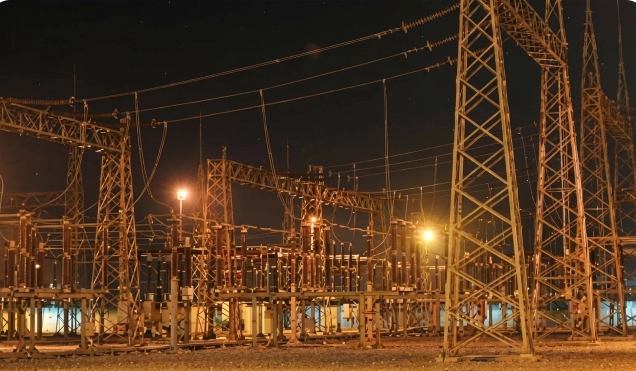
Fresh concerns are emerging over Nigeria’s electricity sector reforms, as more than 16 states that have assumed regulatory control under the decentralisation policy face difficulties establishing effective systems.
The situation, noticeable in states such as Ogun, Imo and Edo, has sparked anxiety among stakeholders. Sources within the Nigerian Electricity Regulatory Commission (NERC) revealed that several states are yet to set up fully functional State Electricity Regulatory Commissions (SERCs), while in some cases, licences are being issued outside proper legal frameworks.
The decentralisation policy, introduced under the Electricity Act 2023, allows states to regulate electricity markets within their territories. While intended to improve efficiency and bring regulation closer to consumers, the transition has exposed structural and capacity challenges across many states.
At a recent workshop in Ibadan involving regulators and representatives from multiple states, NERC acknowledged that although the reform offers opportunities, it is also revealing weaknesses in governance, coordination and technical expertise.
Some states, including Lagos and Abia, have made progress. Lagos has inaugurated its electricity regulatory commission and licensed subsidiary distribution companies, while Abia has approved three SubCos to operate within its jurisdiction.
However, others lag behind. In Ogun State, despite taking over regulatory authority in December 2024, there is reportedly no fully operational framework. In some instances, permits have allegedly been issued by political appointees instead of legally constituted regulators, raising compliance concerns.
In Imo State, the regulator is yet to formally license the existing distribution company, Enugu Electricity Distribution Company (EEDC), yet has reportedly granted a licence to another operator without a clear regulatory process. Stakeholders warn such actions could disrupt market coordination and create legal conflicts.
Industry experts caution that these inconsistencies may distort Nigeria’s already fragile electricity market. There are also growing concerns over disputes involving asset ownership, contractual obligations, and overlapping regulatory responsibilities between federal and state authorities.
Although decentralisation is expected to improve service delivery and consumer protection, delays in setting up proper frameworks have left some areas without effective oversight, especially where NERC has withdrawn following regulatory handovers.
Power sector analyst Adetayo Adegbemle noted that in some states, officials without legal authority are issuing electricity permits, a development that could lead to court challenges and undermine the reform’s objectives.
Despite the setbacks, stakeholders maintain that decentralisation remains a viable path to addressing Nigeria’s electricity challenges. Some states are exploring regional power models, while others are gradually building regulatory capacity.
However, industry players like Azura Power argue that states may not yet be equipped to regulate the entire electricity value chain. They recommend that the federal government retain control over generation and transmission, while states focus on distribution and local market management.
Meanwhile, the National Assembly has begun reviewing the Electricity Act to address emerging issues, including regulatory overlaps, weak coordination, and the need for clearer guidelines on the transfer of powers.
As the transition continues, experts warn that without stronger coordination, technical capacity, and adherence to legal frameworks, the promise of improved electricity supply through decentralisation may remain uncertain for many consumers.

National
 News MasterUpdated 2 hours Ago2 Mins read
Electricity Consumers Raise Concerns as 16 States Struggle with Power Sector Decentralisation
News MasterUpdated 2 hours Ago2 Mins read
Share






Related Articles
National
Oluremi Tinubu to Deliver Sermon at Lambeth Palace During UK State Visit
First Lady of Nigeria, Senator Oluremi Tinubu, is scheduled to deliver a...
National
CREDICORP Launches “Fly Now, Pay Later” to Ease Domestic Travel Costs
The Nigerian Consumer Credit Corporation (CREDICORP) has introduced a “Fly Now, Pay...
National
Nigeria Secures £746 Million UK Deal to Modernize Lagos Ports
Lagos, Nigeria – Nigeria has secured a £746 million financing agreement with...
National
FG Allocates N73.4bn for TB Drugs, Expands Diagnostic Testing Nationwide
The Federal Government has set aside approximately N73.4 billion to procure tuberculosis...




Leave a comment