The Middle East is witnessing unprecedented escalation as Israel and the United States continue military strikes against Iran, triggering retaliatory attacks across the region. The conflict, which began on February 28 when US and Israeli forces struck Iranian targets, has rapidly drawn in global powers, disrupted energy and transport networks, and spread chaos to traditionally stable areas.
Key Developments:
Assassinations of Iranian Leaders: Israel says it killed Iran’s Intelligence Minister, Esmail Khatib, on Tuesday in Tehran, following the earlier killing of Iran’s top security official, Ali Larijani. Iran has vowed retaliation for these strikes. Israeli Defense Minister Israel Katz announced that the military now has streamlined authority to target senior Iranian officials when intelligence opportunities arise.
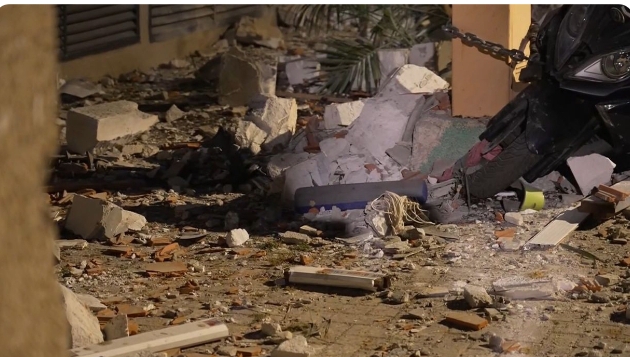
Missile Attacks and Civilian Impact: Iran has launched ballistic missile attacks across Israel, killing at least two people. US forces targeted Iranian missile sites along the Strait of Hormuz with 5,000-pound guided bombs. Israel has also carried out airstrikes in Beirut, flattening multi-story buildings in residential neighborhoods and prompting mass evacuations.
Strategic Moves in the Gulf: US President Donald Trump suggested that American allies should assume sole responsibility for policing the Strait of Hormuz if the Iranian regime collapses. European nations have rejected calls to deploy warships in the key shipping route, though some have expressed willingness to join a coalition once hostilities end.
Regional and Global Implications: Ukrainian President Volodymyr Zelensky warned that the Middle East war could cause a shortage of US-produced missiles, which could affect Ukraine’s defense capabilities. Oil prices remain high, with Brent crude near $104 per barrel, despite Iraq resuming some exports via Turkey. In the US, gas prices have risen to an average of $3.84 per gallon, the highest since September 2023.
Iran’s Response: Iranian officials claim that US actions, including relocating forces to urban hotels, are responsible for civilian casualties in Gulf cities. Iran’s army says it is deploying previously unused weapons and cluster munitions, with more expected in the coming days. Tehran insists it is not seeking a ceasefire but a complete end to the war on all fronts.
Funerals and Public Reaction: Funerals for Ali Larijani and other senior figures killed in Israeli strikes drew large crowds in Tehran, with thousands showing support for the deceased.

Featured
 News MasterUpdated 2 hours Ago1 Mins read
Middle East Conflict Escalates: Israel, US, and Iran in Intensifying Strikes
News MasterUpdated 2 hours Ago1 Mins read
Share





Related Articles
Featured
Ex‑Governor Rejects Claims Linking Wife to Controversial Demolition in Enugu
Former Governor Jim Nwobodo has come out strongly against allegations that his...

Featured
Nigeria’s Bar Association Launches Free Legal Support Service for Vulnerable Citizens
The Nigerian Law Society (NLS) has rolled out a new programme to...

Featured
Anti‑Corruption Agency Breaks Up Visa Fraud Ring, Sentences Public Servant in Lagos
In a major anti‑graft victory, the Independent Corrupt Practices and Other Related...

Featured
Lawmaker Calls for Calm Amid Imobi Mining Land Dispute
Hon. Amobi Godwin Ogah, representative of Isuikwuato/Umunneochi Federal Constituency, has addressed recent...




Leave a comment