As the world marks World Tuberculosis (TB) Day, health experts have raised concerns that Nigeria’s progress in combating the disease is under serious threat due to funding shortages, low awareness, malnutrition, and persistent stigma.
The World Health Organisation (WHO) reports that although Nigeria recorded a 63 per cent reduction in TB-related deaths between 2015 and 2024, infection rates have not declined, indicating continued transmission within communities. In 2024 alone, the country recorded an estimated 510,000 new TB cases, with an incidence rate of 219 per 100,000 people.
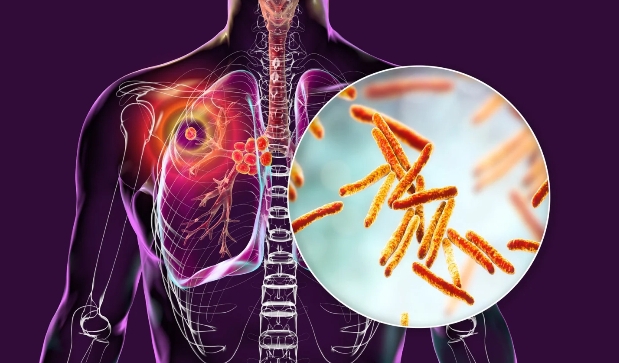
TB, an airborne disease caused by Mycobacterium tuberculosis, remains the world’s leading infectious killer and one of the top ten causes of death globally. Despite being preventable and curable, about a quarter of the global population carries the bacteria in a dormant state.
Data from the Knowledge Network for Disease Control and Vigilance (KNCV) Nigeria shows that the country faces a triple burden of TB, drug-resistant TB, and HIV-associated TB. Nigeria ranks first in Africa and sixth globally in TB burden, accounting for about 4.6 per cent of global cases. The disease claims an estimated 125,000 lives annually in the country.
A major concern is the significant funding gap affecting TB control efforts. About 73 per cent of Nigeria’s TB budget for 2025 remains unfunded. In 2024, the country required $405 million for comprehensive TB services but secured only 27 per cent of that amount.
To address potential shortages, the Federal Government has earmarked N73.4 billion for TB drugs and related commodities. However, sources warn that without improved domestic funding, the country could face a drug stock-out between May and June 2026.
At some treatment centres, however, drugs remain available. At the Directly Observed Treatment (DOT) centre in Asokoro, Abuja, TB focal person Mrs Blessing Onuoha confirmed adequate drug supply but noted the absence of a functional X-ray machine, forcing referrals to other facilities.
Patients receiving care at centres such as the Lagos University Teaching Hospital (LUTH) also confirmed that diagnosis and treatment remain free, though concerns persist about long-term sustainability due to dwindling donor support.
Beyond funding, stigma continues to hinder TB control. A survivor, Justice Ejiga, recounted losing his job after undergoing treatment, highlighting discrimination faced by patients even after recovery. He stressed that individuals who complete treatment are no longer infectious and should not be stigmatised.
Health authorities agree that stigma discourages people from seeking testing and treatment, worsening disease spread. WHO identifies discrimination as one of the biggest barriers to ending the TB epidemic.
Acting Board Chair of Stop TB Nigeria, Queen Ogbuji-Ladipo, called for increased domestic funding and stronger policies to address stigma. She noted that a proposed Tuberculosis Anti-Discrimination Bill is currently before the House of Representatives.
She also highlighted recent support efforts, including a N2 billion donation by First Lady Oluremi Tinubu, which has been used to procure diagnostic equipment distributed nationwide. Private sector contributions, such as building DOT centres, have also complemented government efforts.
Officials from the National Tuberculosis and Leprosy Control Programme (NTBLCP) identified key drivers of TB in Nigeria, including malnutrition, diabetes, and HIV. They emphasised that while treatment is available, low awareness and stigma remain major challenges.
The government is now working towards reducing reliance on foreign aid by strengthening domestic funding mechanisms. A Technical Working Group on AIDS, Tuberculosis, and Malaria has been established to drive this transition and ensure sustainability.
Experts warn that maintaining progress will require sustained investment, improved awareness, and strict adherence to treatment. They also caution against incomplete treatment, which can lead to drug-resistant TB strains that are more difficult and costly to manage.
Despite the challenges, stakeholders remain hopeful that with coordinated efforts and increased local support, Nigeria can still achieve its target of ending TB as a public health threat by 2030.

Health
 News MasterUpdated 3 hours Ago2 Mins read
TB Gains Threatened by Funding Gap, Stigma, Malnutrition – Experts Warn
News MasterUpdated 3 hours Ago2 Mins read
Share






Related Articles

Health
Two Killed as Air Canada Jet Collides with Fire Truck at U.S. Airport
Two pilots have died and dozens of passengers were injured after an...

Health
Health Expert Urges Government to Rescue Nigeria’s Health System
A Nigerian medical specialist has called on the Federal Government to take...
Health
Call for Greater Opportunities for Nigerians with Down Syndrome
Advocates for persons with Down syndrome in Nigeria are urging authorities to...

Health
Uromi Killings: Families of Kano Hunters Still Await Compensation One Year After
One year after the tragic lynching of 16 Kano hunters in Uromi,...




Leave a comment