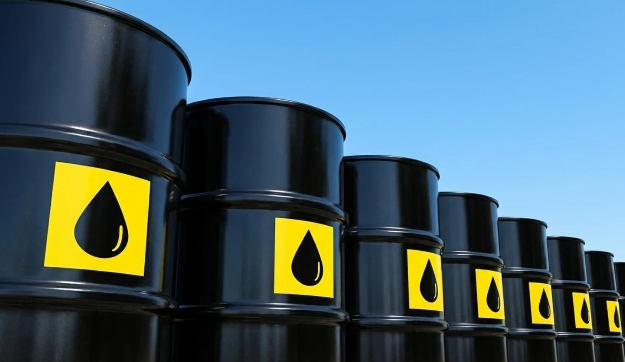
Nigeria has reportedly lost an estimated N28.3 trillion in potential revenue due to low oil production, despite a surge in global crude oil prices triggered by the ongoing Iran war.
Chairman of the Alliance for Economic Research and Ethics (AERE), Dele Oye, disclosed this in a statement, noting that while many oil-producing nations capitalised on rising prices, Nigeria failed to take advantage of the opportunity.
Oye, who is also the immediate past chairman of the Organised Private Sector of Nigeria (OPSN), said crude oil prices climbed above $100 per barrel, significantly higher than Nigeria’s budget benchmark of $64.85. He explained that this price gap could have translated into massive additional revenue for the country.
According to him, Nigeria’s inability to meet its production target remains the major setback. He revealed that the country currently produces about 1.46 million barrels per day, far below its target of 1.84 million barrels, leaving a shortfall of about 380,000 barrels daily.
He further noted that a large portion of Nigeria’s crude oil output is already committed to servicing debts and supplying refineries, limiting the country’s ability to benefit from price increases. He added that similar opportunities were missed during the Russia-Ukraine conflict when oil prices also surged.
Oye emphasised that even proposed increases in production, such as the addition of 100,000 barrels per day by the Nigerian National Petroleum Company (NNPC), would not significantly close the existing gap.
He explained that if properly harnessed, the additional revenue could support key national priorities, including the establishment of strategic petroleum reserves, provision of fertiliser subsidies, expansion of compressed natural gas (CNG) usage, and targeted social welfare programmes.
To address the situation, Oye called for structural reforms in the oil sector. He recommended improved security of oil assets to curb production losses, increased support for local refineries, flexible fuel taxation, and investment in alternative energy sources such as LPG and CNG.
He also urged the government to channel any future windfalls into the Sovereign Wealth Fund and the Excess Crude Account, while encouraging state governments to focus on subsidising public transportation rather than fuel.
Oye concluded that without urgent efforts to boost production and strengthen the sector, Nigeria would continue to miss out on critical economic opportunities presented by global oil market dynamics.

Business
 News MasterUpdated 2 hours Ago1 Mins read
Nigeria Loses N28tr Revenue Despite Global Oil Price Surge – Expert
News MasterUpdated 2 hours Ago1 Mins read
Share






Related Articles
Business
New Beverage Plant Sparks Economic Hope in Aba
Abia State Governor Alex Otti has inaugurated a modern beverage production facility...
Business
Nigeria Faces Export Challenges as America Cuts Crude Purchases
The United States has drastically reduced its imports of Nigerian crude oil...

Business
Bird Strike Grounds Aircraft, Disrupts United Nigeria Airlines Operations
A flight operated by United Nigeria Airlines experienced a major disruption after...

Business
NCC Orders Telcos to Refund Users with Airtime Over Network Failures
Nigeria’s telecom regulator has directed mobile network providers, including major operators like...




Leave a comment