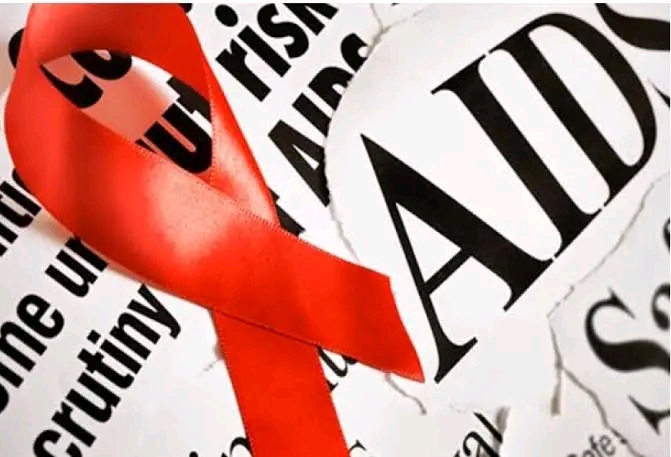
A new report from the National Data Repository has shown a major decline in HIV infections across Nigeria, highlighting steady progress in testing, treatment, and disease control over the past decade.
The data indicates that most people living with HIV are now aware of their status, with a large majority also receiving treatment. Health authorities say this has significantly improved outcomes, as many patients on therapy have achieved viral suppression, reducing the chances of transmission.
Despite the encouraging national trend, the report identifies Lagos and Benue as the states with the highest number of recent infections. Other areas such as Rivers, Akwa Ibom, and Anambra also recorded notable figures, while some northern states reported comparatively lower case numbers.
A deeper look at the statistics reveals a sharp fall in new infections in recent years, marking a significant turnaround after earlier increases. Experts attribute this progress to expanded access to healthcare services, improved testing systems, and sustained awareness campaigns.
However, the findings raise concern about a growing imbalance in infection rates between genders. Young women, particularly those between the ages of 20 and 34, account for a larger share of new cases compared to men, making them a key focus for future interventions.
Health specialists warn that while Nigeria is moving closer to global HIV control targets, more targeted efforts will be needed to address regional disparities and protect vulnerable groups, especially women and young people.

Health
 News MasterUpdated 2 hours Ago1 Mins read
Nigeria Sees Drop in HIV Cases, But Young Women and Key States Remain at Risk
News MasterUpdated 2 hours Ago1 Mins read
Share






Related Articles
Health
NDLEA, US DEA Deepen Collaboration to Combat Drug Cartels and Narco-Terrorism
The National Drug Law Enforcement Agency (NDLEA) and the United States Drug...

Health
One Dead, Another Injured in Truck Collision on Durban’s M7
A fatal accident involving two trucks has claimed one life and left...

Health
Mounting Waste in Owerri Raises Public Health Concerns
Residents in Owerri, Imo State, are increasingly alarmed as heaps of uncollected...
Health
Global Health Experts Call for Inclusive Care for Migrants and Refugees
The World Health Organization (WHO) has urged governments to ensure that refugees...




Leave a comment