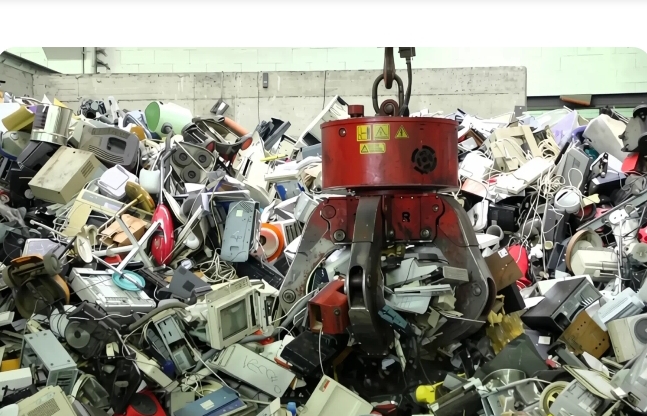
The United Nations has raised alarm over the growing global waste crisis, urging countries to strengthen waste management systems and adopt more sustainable consumption and production practices.
Currently, the world produces about 2.3 billion tonnes of municipal solid waste each year—a figure expected to surge to 3.6 billion tonnes by 2050 if urgent action is not taken. The rise is largely driven by unsustainable consumption patterns.
Food waste remains a major contributor to environmental degradation, accounting for nearly 10 per cent of global greenhouse gas emissions—almost five times more than emissions from the aviation sector—and up to 14 per cent of methane emissions worldwide. Experts say reducing food waste is one of the most effective and affordable ways to combat climate change, especially through zero-waste strategies focused on prevention and efficiency.
In Nigeria, the challenge is equally severe. The country generates more than 32 million tonnes of waste annually, yet less than 40 per cent is properly collected. This gap has led to widespread pollution and serious health concerns, as poor disposal methods contaminate air, water, and soil, while worsening plastic pollution, especially in coastal areas.
Despite global hunger concerns, over one billion tonnes of food is wasted yearly—about 19 per cent of food available to consumers—while an additional 13 per cent is lost between harvest and retail stages. Households are the biggest contributors, responsible for 60 per cent of food waste, followed by food service providers (28 per cent) and retailers (12 per cent). On a daily basis, households alone discard more than one billion meals.
These concerns were highlighted during this year’s International Day of Zero Waste, themed “Food Waste: Towards Sustainable Consumption and Production,” which promotes reducing food waste as a pathway to environmental sustainability, economic stability, and stronger communities.
In Nigeria, inefficiencies across the food value chain result in annual losses estimated between N3.5 trillion and N5 trillion. According to Alexander Isong, President of the Organisation for Technology Advancement of Cold Chain in West Africa, the country loses between 30 and 40 million metric tonnes of food each year, particularly perishable items like fruits, vegetables, dairy, meat, and fish.
The International Day of Zero Waste, established by the United Nations General Assembly and supported by over 100 countries, is coordinated by the United Nations Environment Programme (UNEP) and UN-Habitat to drive awareness and action on waste reduction globally.
UN Secretary-General António Guterres called for urgent, collective action across sectors, noting that simple behavioural changes by individuals can significantly cut food waste.
Similarly, UNEP Executive Director Inger Andersen warned of the far-reaching environmental and economic consequences of the crisis, especially amid worsening climate change, deforestation, water shortages, and rising food costs.
UN-Habitat Executive Director Anacláudia Rossbach stressed the need for cities to implement integrated systems that recover surplus food and convert organic waste into useful resources such as compost or energy.
Nigeria’s Minister of Environment, Balarabe Lawal, reaffirmed the Federal Government’s commitment to achieving a zero-waste future. Speaking at an event in Abuja, he highlighted ongoing efforts to reduce food losses, promote circular economy solutions, and strengthen sustainable food systems.
He also emphasised the importance of public awareness and behavioural change, urging farmers to adopt better storage technologies and businesses to improve inventory and distribution systems.
Globally, initiatives like the “20 Cities Towards Zero Waste” programme are already showcasing progress by recognising cities that are implementing innovative and sustainable waste management practices.

National
 News MasterUpdated 11 hours Ago2 Mins read
Global Waste Crisis Deepens as Nigeria Generates Over 32 Million Tonnes Annually
News MasterUpdated 11 hours Ago2 Mins read
Share





Related Articles
National
Tinubu Commiserates with Jega Over Wife’s Passing
President Bola Ahmed Tinubu has extended his condolences to former Chairman of...
National
FG Rolls Out ₦3.3 Trillion Debt Settlement to Revamp Nigeria’s Power Industry
The Federal Government has unveiled a massive financial intervention aimed at resolving...
National
INEC Halts Voter Revalidation Exercise Over Timing, Transparency Concerns
The Independent National Electoral Commission (INEC) has suspended its planned nationwide voter...

National
LASTMA Deploys More Officers, Warns Motorists Against Drunk Driving During Easter
The Lagos State Traffic Management Authority (LASTMA) has stepped up its preparations...




Leave a comment