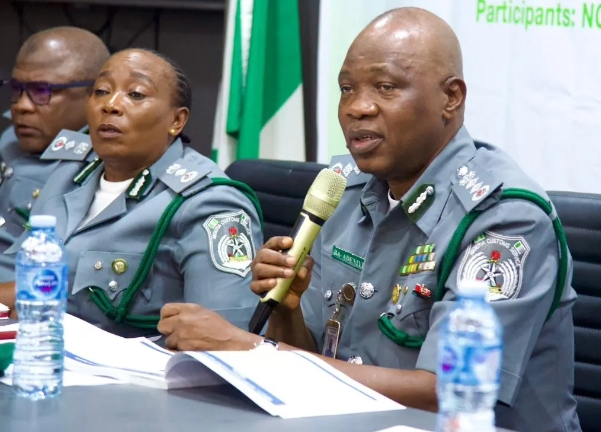
The Nigeria Customs Service (NCS), in partnership with the Presidential Enabling Business Environment Council (PEBEC), has introduced a new reform agenda aimed at enhancing port efficiency and boosting Nigeria’s competitiveness in global trade.
The initiative was announced during a three-day operational workshop held in Apapa, Lagos, with the theme “Customs Leadership in Port Efficiency, Inspection Reform and Clearance Timeline.”
Comptroller-General of Customs, Adewale Adeniyi, outlined a five-point strategy to drive the reforms. These include joint cargo inspections, adoption of risk-based clearance processes, improved use of scanning technology, strict enforcement of service timelines, and better coordination among government agencies operating at the ports.
Adeniyi stressed the need to shift toward intelligence-driven cargo processing, noting that investments in digital systems and scanning infrastructure must result in faster, more transparent clearance procedures. He added that the focus has moved beyond policy development to effective implementation, with progress to be closely monitored.
Director-General of PEBEC, Zahrah Mustapha-Audu, highlighted the importance of data-driven inspection systems, stating that not all cargo requires physical checks. According to her, targeting the right shipments for inspection will reduce delays and lower the cost of doing business in Nigeria.
As part of the initiative, Customs officials also visited the National Single Window facility, where they engaged with the Chairman of the Nigeria Revenue Service and other stakeholders to review progress and address operational challenges.
The reform programme is expected to streamline port processes and ensure that best practices translate into measurable improvements in trade facilitation.

National
 News MasterUpdated 9 hours Ago1 Mins read
Customs, PEBEC Unveil Reform Plan to Improve Port Operations
News MasterUpdated 9 hours Ago1 Mins read
Share


Related Articles
National
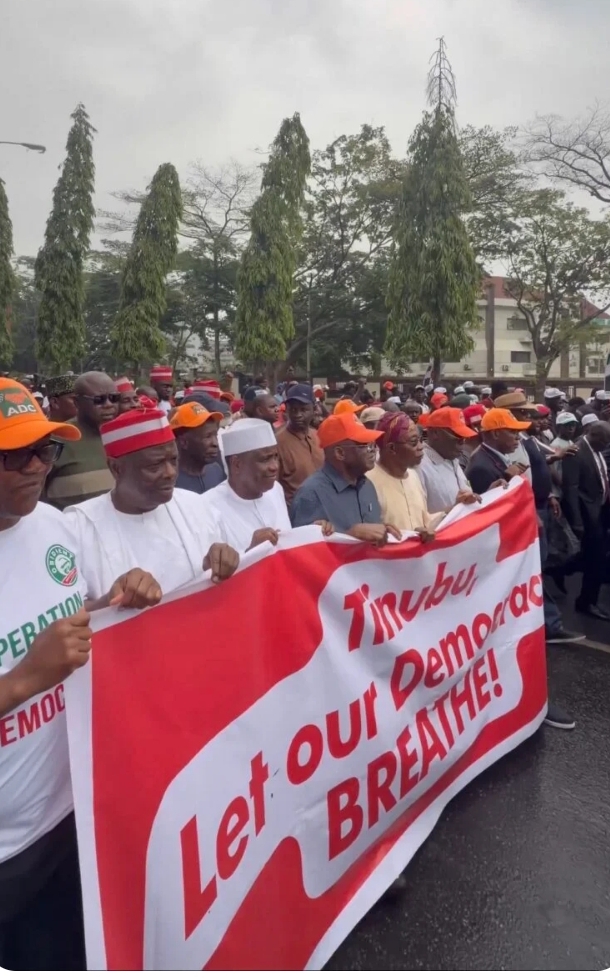
Opposition Leaders Stage Mass Protest Against INEC in Abuja
Tension rose in Abuja on Wednesday as leading opposition figures rallied hundreds...
National
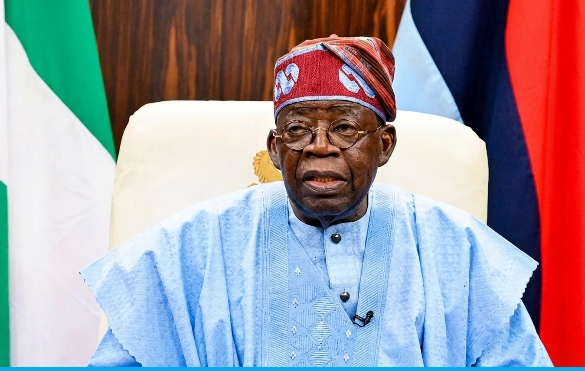
SWAGA: Tinubu’s Policies Averted Economic Collapse, Backs Second Term
The South-West Agenda for Asiwaju (SWAGA) has claimed that Nigeria was on...
National
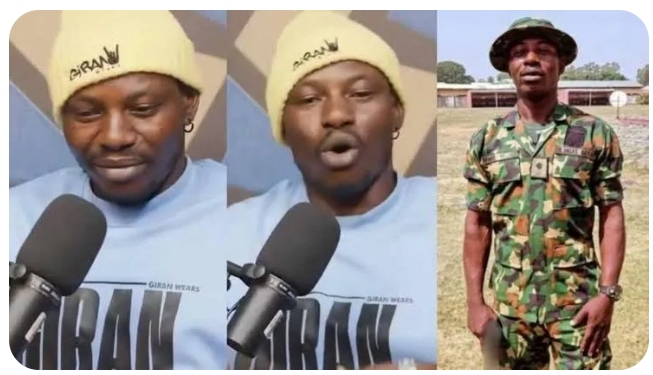
Nigerian Army Debunks Ex-Soldier’s Claims on Welfare, Equipment, Cites Indiscipline as Reason for Dismissal
Abuja, Nigeria – The Nigerian Army has dismissed allegations made by a...
National
Veteran Nollywood Actor Davis Offor, ‘Clarus’ of New Masquerade, Dies at 85
Veteran Nigerian actor Davis Offor, best known for his role as “Clarus”...



Leave a comment