Nigeria’s food and drug regulator has raised concerns about how modern eating habits are contributing to a growing health problem in the country. Officials from the National Agency for Food and Drug Administration and Control (NAFDAC) say the average Nigerian now consumes almost twice the amount of salt recommended by the World Health Organization, largely due to a heavier reliance on processed and pre‑packaged foods.
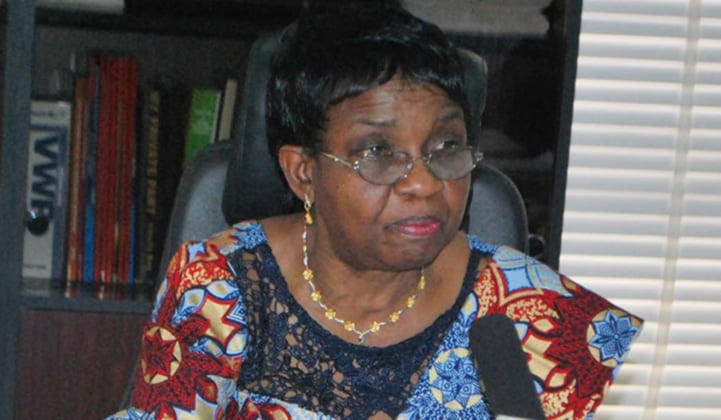
At a recent stakeholders’ meeting on proposed nationwide food standards, NAFDAC’s Director‑General, Prof. Mojisola Adeyeye, highlighted that excessive sodium intake is a key risk factor for non‑communicable diseases such as high blood pressure, heart disease, and stroke. Current estimates suggest many Nigerians take in around 10 grams of salt per day — almost double the global health guideline of 5 grams.
Experts say that as urban lifestyles shift diets toward more ready‑to‑eat products, hidden sodium in items like snacks, sauces, and other packaged goods is contributing to an increase in diet‑related conditions that strain Nigeria’s health systems. Public health professionals at the event stressed that reducing salt in commonly eaten foods could lower the incidence of hypertension and other serious illnesses.
To tackle the issue, NAFDAC plans to introduce new guidelines that would limit how much sodium certain food categories can contain, improve nutrition labelling, and encourage manufacturers to reformulate products with less salt. The draft policy sets out a phased strategy for gradually cutting sodium levels in foods, with the aim of aligning national consumption closer to international health targets by 2030.

Health
 News MasterUpdated 11 hours Ago1 Mins read
NAFDAC Targets High Sodium Levels in Packaged Foods
News MasterUpdated 11 hours Ago1 Mins read
Share




Related Articles

Health
Akwa Ibom Moves to Strengthen Care for Mental Health Patients
The Akwa Ibom State government has moved to strengthen mental health support...
Health
Nigerian Leaders Pledge Boost to Healthcare Systems on World Health Day
On World Health Day 2026, Nigerian leaders announced plans to modernize healthcare...
Health
Doctors Call Off Strike, Hospitals Resume Full Services
After days of uncertainty, medical services across Nigeria have returned to normal...
Health
Rapper Offset Hospitalised After Shooting Near Florida Casino
American rapper Kiari Kendrell Cephus, popularly known as Offset, has been hospitalised...




Leave a comment