Nigeria’s rising debt levels have drawn fresh attention following concerns over the country’s expanding financial obligations under the current administration.
Reports indicate that government borrowing has continued to increase as authorities depend on loans to finance budget gaps, execute infrastructure plans, and support efforts to stabilise the economy. While officials maintain that borrowing is necessary for development, the overall debt stock has grown significantly in recent years.
A recent assessment warned that although Nigeria’s debt may not appear excessive when compared with global standards, the major issue is the rising cost of servicing it. With national revenue still relatively low, a large share of government income is now being used to repay existing debts, increasing pressure on public finances.
Economic analysts have expressed concern that this situation could reduce government spending in key sectors such as education, healthcare, and social services. They caution that without improved revenue generation and tighter fiscal management, the country could face deeper financial strain.
The government, however, continues to defend its borrowing strategy, describing it as part of wider economic reforms aimed at boosting growth and rebuilding critical infrastructure. Still, experts stress the need for a balanced approach to ensure long-term debt sustainability.
Featured
 News MasterUpdated 2 hours Ago1 Mins read
World Bank Raises Concern Over Nigeria’s Growing Debt Profile
News MasterUpdated 2 hours Ago1 Mins read
Share


Related Articles
Featured
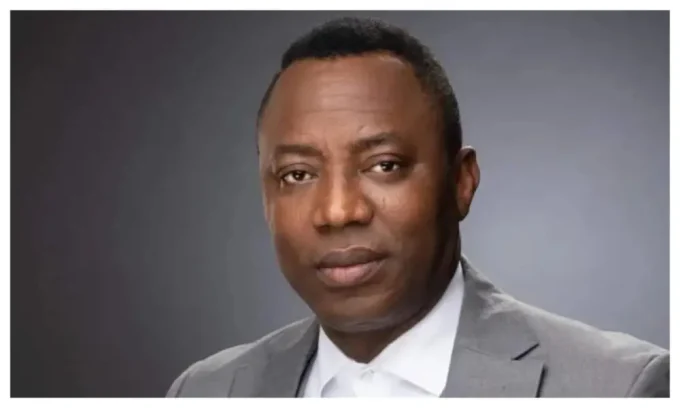
Sowore Alleges Repeat Threat Pattern, Raises Alarm Over Safety Concerns
Human rights activist and former presidential candidate Omoyele Sowore has raised fresh...

Featured
Police Launch Coordinated Crackdown on Kidnapping Networks in Cross River
Security forces have intensified operations across parts of Cross River State in...
Featured
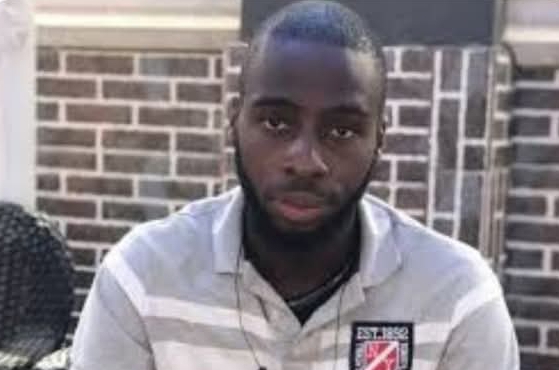
Global Police Body Distances Itself From Controversial Arrest of Nigerian Whistleblower
The International Criminal Police Organization (Interpol) has dismissed allegations linking it to...
Featured
U.S. Mission in Nigeria Halts Visa Appointment Scheduling in Abuja
The United States Embassy in Nigeria has announced a temporary suspension of...



Leave a comment