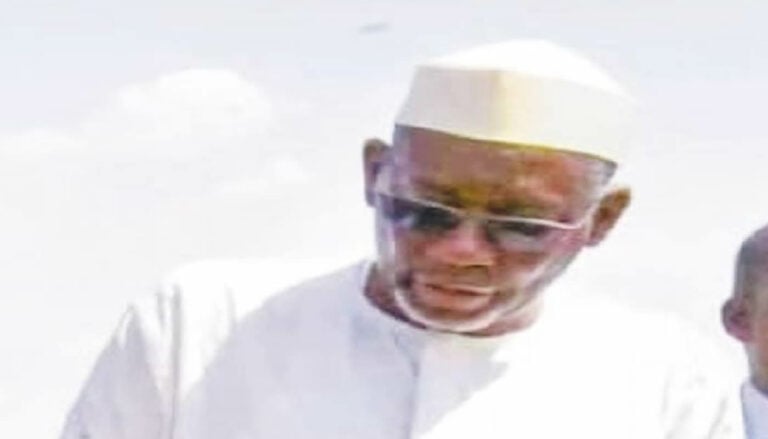
Governor Umar Namadi says Jigawa State is witnessing some of the most significant reforms in its history, particularly in education, healthcare, and security, noting that the past two years have been “a period of measurable progress.”
Speaking in Dutse, the governor highlighted the resolution of decades-long farmer–herder conflicts in two local government areas that had experienced unrest for over 25 years. He stated that, “By God’s grace, in the last two years, not a single life has been lost to such clashes. Farmers now cultivate without fear, and herders graze peacefully.”
Namadi attributed the achievement to decisive actions, including the expansion of cattle routes, demarcation of grazing reserves, and the establishment of conflict resolution committees to address emerging tensions.
On education—which consumes more than 30 per cent of the state’s budget—the governor recalled that a state of emergency was declared after assessments revealed that eight out of ten Primary One pupils could neither read nor write. He noted that 3,000 J-Teach teachers were confirmed, another 3,000 recruited, and 4,200 hired for senior secondary schools, in addition to partnering with NewGlobe to boost literacy and numeracy.
He also pointed to ongoing reforms in Tsangaya schools, the construction of mega Islamic boarding schools, and the establishment of a N25 billion fully equipped vocational institute.

State News
 News MasterUpdated 11 months Ago1 Mins read
Namadi Highlights Major Reforms as Jigawa Records Peace, Education Gains
News MasterUpdated 11 months Ago1 Mins read
Share



Related Articles
State News
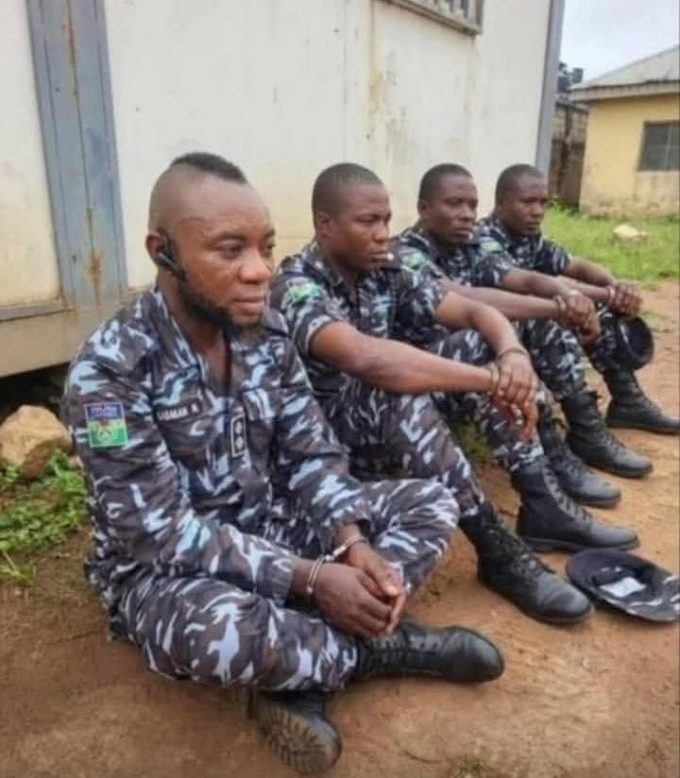
Delta Police Arrest Four Officers Over Fatal Shooting, PRO Describes Incident as Deeply Troubling
The Delta State Police Command has confirmed the arrest of four officers...
State News
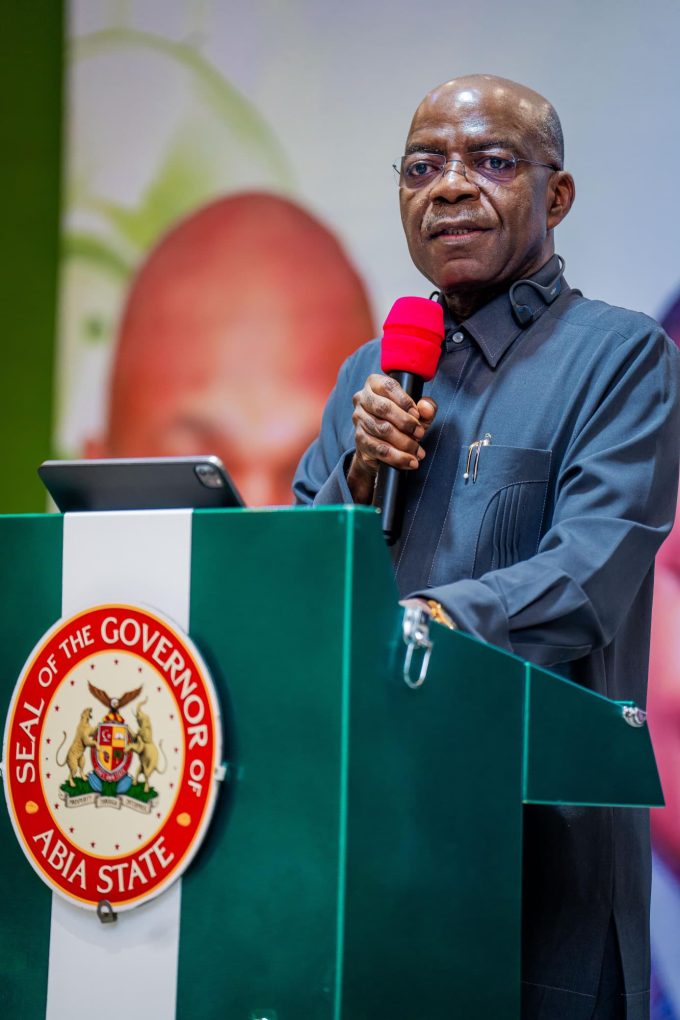
Otti’s Chief of Staff Urges Journalists to Uphold Objectivity, Reaffirms Commitment to Good Governance
The Chief of Staff to the Abia State Governor, Pastor Caleb Ajagba,...

State News
Ondo Poly Student Found Dead in Apartment, Police Launch Investigation
A 20-year-old student of Rufus Giwa Polytechnic, Owo (RUGIPO), Ondo State, has...

State News
Fubara Targets January 2027 for Completion of New Modern Market Project in Rivers
Rivers State Governor, Siminalayi Fubara, has announced that the ongoing construction of...




Leave a comment