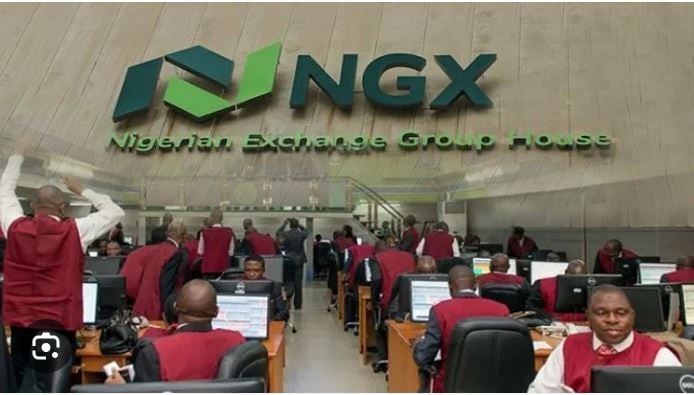
Foreign portfolio investors (FPIs) have made a strong comeback to the Nigerian Exchange Limited (NGX), driving transactions to a record N2.03tn as of October 2025—surpassing all annual foreign activity since 2007.
The surge, detailed in the NGX’s latest Domestic & Foreign Portfolio Investment Report, reflects growing investor confidence in Nigeria, supported by improved dollar availability and easier fund repatriation.
The last comparable foreign transaction level was in 2014, when FPIs traded around N1.54tn, surpassing domestic investors. In 2018, foreign transactions reached N1.22tn before declining below N1tn in subsequent years as domestic investors dominated the market following foreign exits.
The report noted that FPIs’ market share rose to 21.18 per cent from 16.65 per cent, while domestic investors’ share moderated to 78.82 per cent from 83.35 per cent. Year-on-year, foreign transactions surged 172.37 per cent, from N744.34bn in the same period of 2024 to N2.03tn in 2025. Foreign inflows (N1.12tn) also exceeded outflows (N909.56bn).
Overall market activity increased significantly, with total NGX transactions reaching N9.57tn—a 114.06 per cent rise from N4.47tn during the corresponding period in 2024. However, a month-on-month review showed a 36.31 per cent drop in October transactions to N1.03tn from N1.62tn in September, attributed to the absence of large block trades that had boosted September activity.
Compared to October 2024 (N502.73bn), October 2025’s total transactions more than doubled, rising 105.39 per cent. Domestic investors outperformed foreign investors by approximately 64 per cent in transaction value during the month.
Institutional investors continued to dominate the market, outperforming retail investors by 22 per cent between September and October. Retail activity grew 19.08 per cent month-on-month from N278.57bn to N331.71bn, while institutional transactions dropped 46.17 per cent from N955.26bn to N514.25bn.
Meanwhile, bearish trading returned to the NGX this week, wiping about N1.79tn off market capitalization, largely due to profit-taking and sell-offs in leading stocks by institutional investors.

Business
 News MasterUpdated 10 months Ago1 Mins read
Foreign Investors Flood Nigerian Bourse as Transactions Hit Record N2.03tn
News MasterUpdated 10 months Ago1 Mins read
Share






Related Articles

Business
Hon. Amobi Ogah Engages Global Stakeholders at OTC Texas As Nigeria’s Energy Future Comes in Focus
U.S., Texas — Nigeria’s push for innovation and global collaboration in the...

Business
Fear of Oil Glut as NNPCL Raises Crude Prices Across Grades
Concerns are growing over a possible global oil glut as the Nigerian...

Business
Aliko Dangote’s Wealth Climbs to $34bn After $216m Single-Day Surge
Africa’s richest man, Aliko Dangote, has seen his net worth rise to...

Business
Nigeria’s Petrol Price Drops 15.6% Year-on-Year – NBS
The average retail price of petrol in Nigeria declined by 15.6 per...




Leave a comment