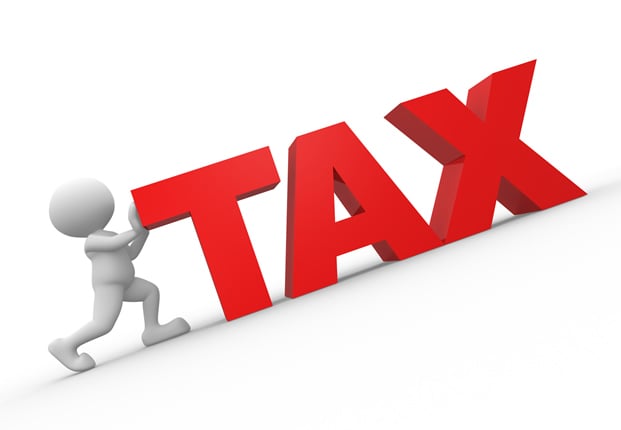
Nigeria’s decision to reinstate and significantly increase capital gains tax on equity transactions has rattled investor confidence and cooled activity on the nation’s stock market. Trading floors remained subdued in November, as both domestic and foreign investors paused their strategies, reassessing the implications of the new tax regime ahead of its January implementation.
Under the updated Nigeria Tax Act, capital gains are now taxed at rates aligned with corporate and personal income tax — up from a flat 10 per cent for companies — and apply to profit above a raised threshold of N150 million. While policymakers argue that these changes harmonise tax treatment and close arbitrage loopholes, many market participants view them as a deterrent to investment.
The reaction has been swift. Some investors have reduced positions or delayed new investments amid fears that higher taxation will erode returns and drive capital toward competing markets with more favourable tax conditions. Foreign portfolio investors, in particular, are watching closely, given their sensitivity to policy shifts and their role in stabilising Nigeria’s foreign exchange market.
Critics point out that, especially in an economy with inflation outpacing real returns, steep capital gains taxes could undermine the attractiveness of equities. Others warn of potential capital flight and lower liquidity if investors reallocate funds elsewhere before the new rules take effect.
The government has sought to address concerns, with officials noting exemptions for smaller investors and reiterating that the policy aims to balance revenue needs with market fairness. However, for many traders and analysts, the debate highlights broader challenges in aligning fiscal reforms with efforts to sustain long-term investor confidence in Nigeria’s capital markets.

Business
 News MasterUpdated 9 months Ago1 Mins read
“Nigeria’s Capital Gains Tax Shakeup Deepens Market Uncertainty”
News MasterUpdated 9 months Ago1 Mins read
Share






Related Articles

Business
Hon. Amobi Ogah Engages Global Stakeholders at OTC Texas As Nigeria’s Energy Future Comes in Focus
U.S., Texas — Nigeria’s push for innovation and global collaboration in the...

Business
Fear of Oil Glut as NNPCL Raises Crude Prices Across Grades
Concerns are growing over a possible global oil glut as the Nigerian...
Business
Aliko Dangote’s Wealth Climbs to $34bn After $216m Single-Day Surge
Africa’s richest man, Aliko Dangote, has seen his net worth rise to...
Business
Nigeria’s Petrol Price Drops 15.6% Year-on-Year – NBS
The average retail price of petrol in Nigeria declined by 15.6 per...




Leave a comment