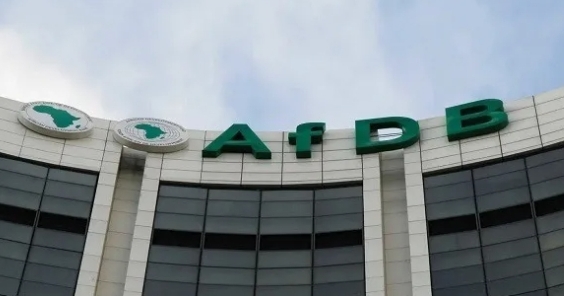
The African Development Bank (AfDB) has approved a $3.9 million technical assistance project to support Nigeria and twelve other African countries in turning their national energy plans into actual electricity connections for households and businesses.
The initiative, known as AESTAP Mission 300 Phase II, will run for two years and is aimed at helping participating countries implement key reforms under the wider Mission 300 programme, which seeks to connect 300 million Africans to electricity by 2030.
According to reports, the project is designed to move countries beyond policy declarations by providing practical, on-the-ground support. Expert advisers will be embedded within government units to coordinate reforms, monitor progress, and ensure commitments translate into real power access.
AfDB Director for Energy Financial Solutions, Policy and Regulation, Wale Shonibare, said the goal is to ensure communities, entrepreneurs and households benefit directly from electricity reforms.
“This is about turning bold national commitments into real outcomes that improve access to reliable power,” he noted.
The beneficiary countries in this phase include Chad, Gabon, Tanzania, Mauritania, Democratic Republic of Congo, Kenya, Nigeria, Madagascar, Ethiopia, Malawi, Lesotho, Namibia, and Uganda.
The technical assistance will help governments strengthen electricity regulations, improve planning frameworks, and reform tariff structures to attract private investment. It will also support efforts to enhance utility performance and ensure more stable power supply.
Phase II builds on Phase I, approved in December 2025, which provided about $1 million to help countries establish Compact Delivery and Monitoring Units within their governments.
While Phase I focused on planning, the newly approved phase shifts attention toward implementing priority governance and regulatory reforms under the National Energy Compacts, which form the foundation of Mission 300.
Mission 300 is a continent-wide initiative endorsed by 48 African Heads of State, with the AfDB and the World Bank Group jointly leading implementation. The World Bank aims to connect 250 million people, while the AfDB targets an additional 50 million by 2030.
The AfDB said the project will be carried out in coordination with development partners to ensure alignment and avoid duplication, as part of its continued support for Nigeria and Africa’s energy sector expansion.

Business
 News MasterUpdated 8 months Ago1 Mins read
AfDB Approves $3.9m Support to Boost Electricity Access in Nigeria, 12 Other African Nations
News MasterUpdated 8 months Ago1 Mins read
Share



Related Articles

Business
Hon. Amobi Ogah Engages Global Stakeholders at OTC Texas As Nigeria’s Energy Future Comes in Focus
U.S., Texas — Nigeria’s push for innovation and global collaboration in the...
Business
Fear of Oil Glut as NNPCL Raises Crude Prices Across Grades
Concerns are growing over a possible global oil glut as the Nigerian...
Business
Aliko Dangote’s Wealth Climbs to $34bn After $216m Single-Day Surge
Africa’s richest man, Aliko Dangote, has seen his net worth rise to...
Business
Nigeria’s Petrol Price Drops 15.6% Year-on-Year – NBS
The average retail price of petrol in Nigeria declined by 15.6 per...




Leave a comment