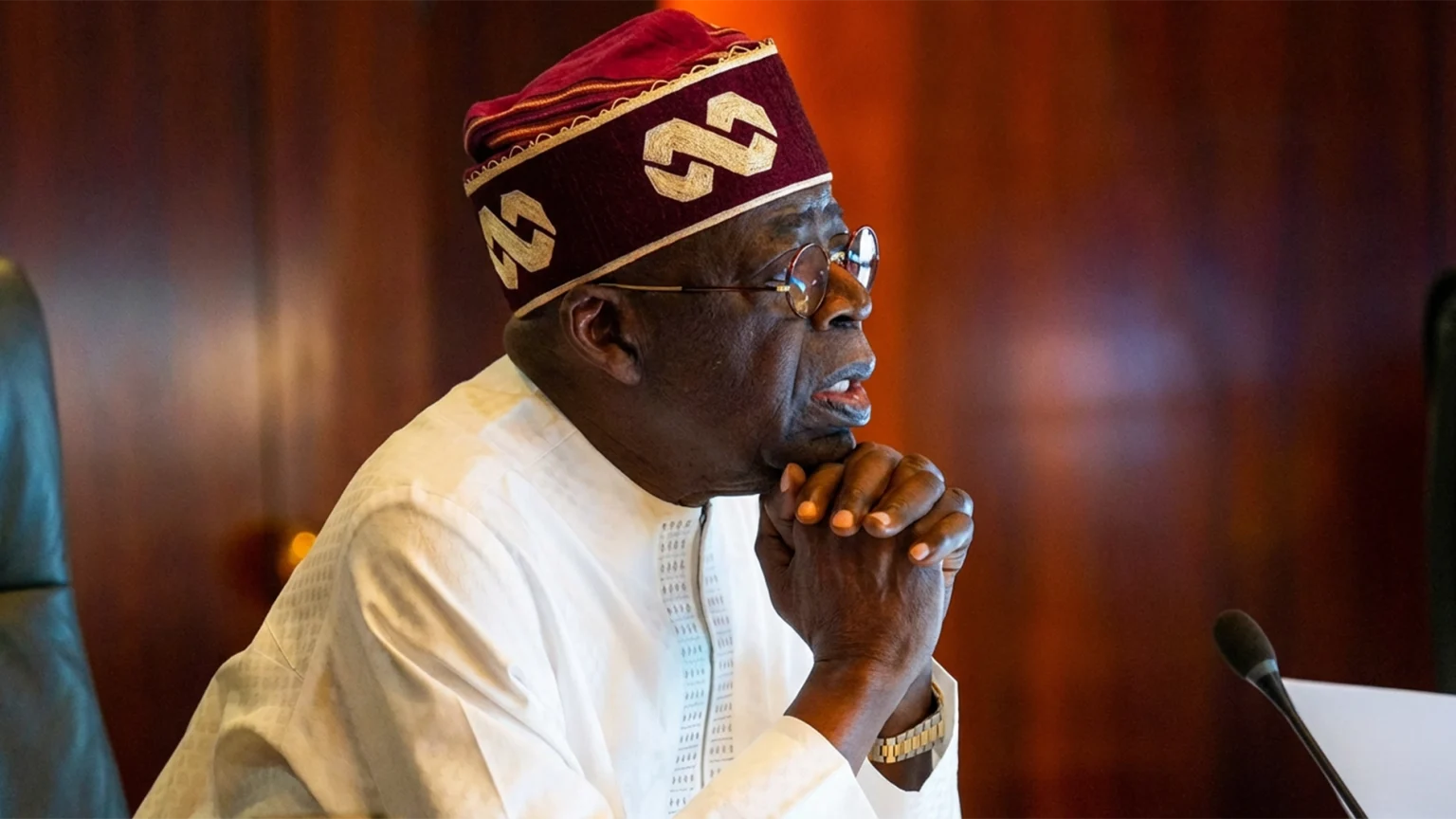
President Bola Ahmed Tinubu’s prompt signing of the amended Electoral Bill into law has set the tone for preparations ahead of the 2027 general elections. Unlike his predecessor, Muhammadu Buhari, who withheld assent over concerns about mandatory real-time transmission of results, Tinubu approved the legislation in record time, signaling alignment between the Executive and the National Assembly on key electoral reforms.
With the Electoral Act 2026 now in force, expectations are high among political parties, candidates, the electorate, and the Independent National Electoral Commission (INEC) to maximise the opportunities created by the new provisions. Stakeholders say public enlightenment will be crucial, particularly regarding the law’s stance on electronic transmission of results and other notable amendments.
While civil society groups continue to debate the retention of Form EC8 as the primary document for result collation, the Act introduces significant changes. One of the most prominent is the abolition of indirect primaries for political parties. The removal of this system is widely viewed as a move to reduce the influence of political middlemen and curb corruption in candidate selection, thereby strengthening internal party democracy.
Tinubu’s decision to sign the bill swiftly suggests close cooperation between the Presidency and lawmakers throughout the amendment process. The President has long been associated with calls for electoral reform, dating back to his time as a senator and later as Governor of Lagos State. Reform advocates, including the Coalition of Democrats for Electoral Reforms (CODER), had previously pushed for measures to deepen party supremacy and improve transparency.
Before signing the bill, Tinubu’s Special Adviser on Media and Public Communications, Sunday Dare, indicated that the President would consider prevailing realities in making a decision on electronic transmission of results. He questioned whether Nigeria’s infrastructure could sustain full real-time electronic transmission, noting that even advanced democracies face technological limitations.
During the signing ceremony, President Tinubu emphasised the importance of robust democratic debate and national stability. He argued that while technology can support elections, Nigeria’s voting process remains largely manual, from ballot casting to counting, with electronic tools primarily aiding collation and record-keeping. He also raised concerns about cybersecurity risks and technical glitches.
However, opposition voices remain critical. The Peoples Democratic Party (PDP) recalled that the All Progressives Congress (APC) had championed electronic voting ahead of the 2015 elections. The PDP’s National Publicity Secretary, Ini Emeobong, alleged that the ruling party’s reluctance to mandate full real-time transmission stems from fears of electoral backlash.
Some election experts have also expressed reservations. Former Resident Electoral Commissioner for Akwa Ibom State, Mike Igini, warned that making electronic transmission conditional could expose electoral officers to undue pressure and security risks. He maintained that network coverage across most parts of the country is sufficient to support digital processes, noting that the Bimodal Voter Accreditation System (BVAS) operates effectively on 2G and 3G networks.
On the positive side, analysts believe the new law could help reduce voter apathy if political parties intensify mobilisation efforts. Higher voter turnout, some argue, limits opportunities for manipulation and vote-buying. Senate President Godswill Akpabio, during the assent ceremony, said the amendments were designed to empower INEC to conduct elections that meet both national and international standards.
Nonetheless, critics fault the speed of the President’s assent. The Yoruba Union described the provision allowing manual transmission where electronic transmission fails as a loophole that could enable manipulation. The group argued that the process was rushed and called for greater scrutiny of the law’s implications.
As debates continue, attention is also turning to broader issues such as election security and logistics, factors considered critical to credible polls. With the 2027 elections on the horizon, observers agree that the success of the new Electoral Act will depend not only on its provisions but also on the commitment of all stakeholders to transparency, participation, and vigilance.
As one enduring democratic principle suggests, safeguarding liberty requires constant watchfulness. The 2027 elections will test how effectively Nigeria’s reformed electoral framework can deliver on that promise.

National
 News MasterUpdated 7 months Ago3 Mins read
Electoral Act 2026: How Tinubu’s Swift Assent Could Influence 2027 Polls
News MasterUpdated 7 months Ago3 Mins read
Share






Related Articles
National
Nigeria Moves Against South Africa Over Killing of Citizens, Demands Accountability
The Federal Government has intensified diplomatic pressure on South Africa following the...

National
Reps Approve Bill for New Federal Medical Centre in Ikwuano, Awaits Senate Approval
The House of Representatives has passed a bill sponsored by Hon. Obi...

National
FG Targets Malnutrition with New 10-Year Nutrition Policy
The Federal Government has taken a major step toward tackling malnutrition following...

National
Kalu’s Lawyers Reject Petition Seeking Revocation of Law School Certificate
Legal representatives of the Deputy Speaker of the House of Representatives, Benjamin...




Leave a comment