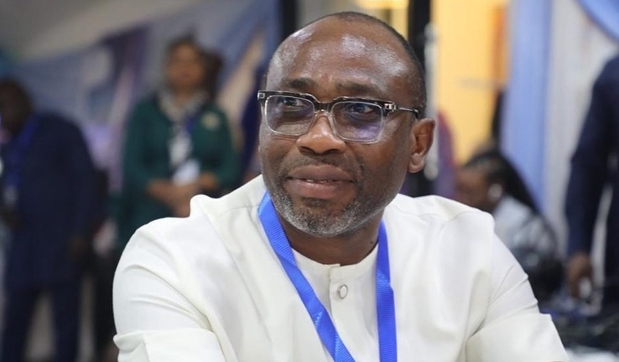
The Federal Government has spent over N60 billion on Nigeria’s long-delayed Digital Switch Over (DSO) project with little to show, as the National Broadcasting Commission (NBC) unveils a new plan to relaunch the initiative under a platform called FreeTV.
NBC Director-General, Dr. Charles Ebuebu, admitted the project suffered a “systemic breakdown,” citing multiple failures over the past 17 years. Despite the huge investment, only eight of the country’s 36 states currently have digital signals, while key elements such as audience measurement and regulated carriage fees remain absent.
The new FreeTV platform, set to launch nationwide on May 15, 2026, is designed as a complete reset rather than an upgrade. It will operate as a free-to-air service using hybrid satellite and internet delivery, allowing access on compatible televisions without the need for set-top boxes. A mobile app will also extend access to smartphones and tablets.
According to the NBC, FreeTV will offer over 100 channels covering news, sports, education, entertainment and local programming in multiple Nigerian languages, all in high definition. The commission said the strategy is to first grow viewership before introducing monetisation measures.
To address past shortcomings, NBC has partnered with Bulgarian firm GARB to provide a more reliable audience measurement system, combining data analytics, demographic tracking and artificial intelligence.
The relaunch plan includes incentives for broadcasters, who will not pay carriage fees until January 2029, provided they meet local content requirements and support the platform. Six regional production hubs are also planned across major cities, with projections to create up to 1,000 jobs per zone within two years.
NBC has now fixed December 31, 2028, as the final deadline for switching off analogue broadcasting, vowing to end years of missed targets.
However, the initiative is already facing criticism. The Association of Licensed Set Top Box Manufacturers of Nigeria (STBMAN) accused the NBC of violating due process and undermining local industry. The group warned that plans to approve imported hybrid set-top boxes contradict government policies promoting local manufacturing and could discourage investment.
STBMAN also cited ongoing legal concerns, insisting that regulatory actions must comply with existing court orders to maintain investor confidence.
The renewed push highlights both the scale of past failures and the urgency to reposition Nigeria’s broadcasting sector, which remains underperforming despite a television advertising market valued at over N600 billion.
National
 News MasterUpdated 6 months Ago1 Mins read
FG Spent N60bn on Failed DSO as NBC Plans FreeTV Relaunch
News MasterUpdated 6 months Ago1 Mins read
Share

Related Articles
National
Nigeria Moves Against South Africa Over Killing of Citizens, Demands Accountability
The Federal Government has intensified diplomatic pressure on South Africa following the...
National
Reps Approve Bill for New Federal Medical Centre in Ikwuano, Awaits Senate Approval
The House of Representatives has passed a bill sponsored by Hon. Obi...
National
FG Targets Malnutrition with New 10-Year Nutrition Policy
The Federal Government has taken a major step toward tackling malnutrition following...
National
Kalu’s Lawyers Reject Petition Seeking Revocation of Law School Certificate
Legal representatives of the Deputy Speaker of the House of Representatives, Benjamin...



Leave a comment