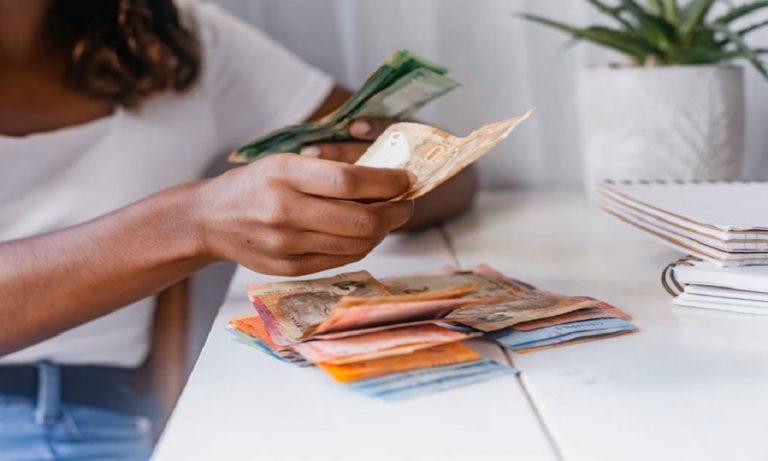
South African women are taking on more debt while earning significantly less than men, a problem fueled by the country’s persistent gender pay gap, according to the National Debt Advisors (NDA).
Statistics South Africa reports a wage disparity of around 30% across industries, leaving women, particularly single mothers, financially vulnerable. NDA Compliance Officer Dehan Scherman warns that the widening gap, combined with rising living costs, is pushing women into a cycle of borrowing to make ends meet.
“Women often have very little disposable income after paying for basic expenses,” Scherman said. “As a result, many are forced to rely on unsecured debt, medical loans, and even predatory lenders. This creates a cycle of over-indebtedness that is difficult to escape.”
Nearly 38% of South African households are headed by women, with about 6.1 million homes financially supported primarily by them. For many, the financial strain is overwhelming.
Josephine Matsediso, a 60-year-old grandmother from Boksburg, described her struggles as the sole breadwinner caring for her grandchildren.
“I was even blacklisted, so I couldn’t borrow from the bank. The challenge is groceries, municipal bills, electricity, petrol, and the bond. If I wasn’t alone, things would be better because at least there’d be someone to help,” she said.
NDA reports that single women now account for 7% of its client base, with most struggling under unsecured debt. Only 2.7% of these clients have vehicle finance, and less than 1% hold home loans. Instead, payday loans, personal loans, and credit cards make up the bulk of their liabilities.
Scherman stresses that without urgent action to close the gender pay gap, more women will be forced into debt dependency. “The combination of wage inequality, inflation, and rising living costs paints a bleak picture for women. Unless this changes, the financial wellbeing of millions of households will remain at risk.”

Business
 News MasterUpdated August 25, 20251 Mins read
South African Women Struggle Under Debt Burden as Gender Pay Gap Widens
News MasterUpdated August 25, 20251 Mins read
Share






Related Articles

Business
Hon. Amobi Ogah Engages Global Stakeholders at OTC Texas As Nigeria’s Energy Future Comes in Focus
U.S., Texas — Nigeria’s push for innovation and global collaboration in the...
Business
Fear of Oil Glut as NNPCL Raises Crude Prices Across Grades
Concerns are growing over a possible global oil glut as the Nigerian...
Business
Aliko Dangote’s Wealth Climbs to $34bn After $216m Single-Day Surge
Africa’s richest man, Aliko Dangote, has seen his net worth rise to...
Business
Nigeria’s Petrol Price Drops 15.6% Year-on-Year – NBS
The average retail price of petrol in Nigeria declined by 15.6 per...




Leave a comment