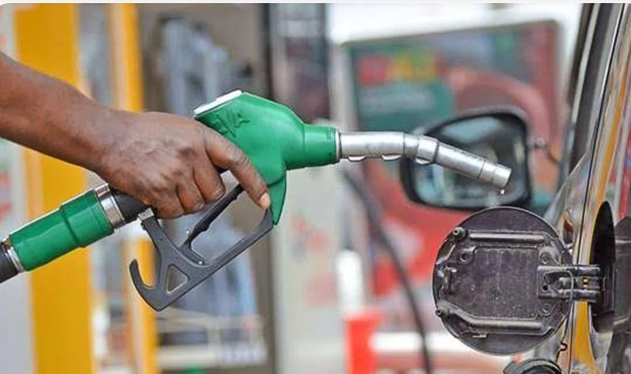
The average retail price of petrol in Nigeria declined by 15.6 per cent year-on-year in February 2026, according to new data released by the National Bureau of Statistics (NBS), reflecting ongoing shifts in the country’s downstream oil market.
The NBS reported that the average price of Premium Motor Spirit (PMS), commonly known as petrol, stood at ₦1,051.47 in February 2026, compared to ₦1,245.80 recorded in the same period in 2025.
However, on a month-on-month basis, prices recorded a slight increase of 1.62 per cent, rising from ₦1,034.76 in January 2026. This suggests that while prices have dropped over the past year, short-term fluctuations persist.
The data was gathered through a nationwide survey covering all 774 local government areas, with input from over 10,000 respondents and more than 700 field staff, the bureau noted.
A breakdown across states revealed noticeable differences in pricing. Yobe recorded the highest average petrol price at ₦1,134.73, followed by Sokoto at ₦1,116.81 and Akwa Ibom at ₦1,109.44. On the other hand, Lagos had the lowest average price at ₦966.61, while Oyo and Kaduna recorded ₦973.45 and ₦1,000.07 respectively.
At the regional level, the North-East posted the highest average price at ₦1,084.41, while the South-West recorded the lowest at ₦1,023.89, highlighting disparities in distribution and cost structures across the country.
The latest figures come as Nigeria continues to adjust to the removal of petrol subsidies in 2023, a policy change that has significantly influenced fuel pricing and household spending.
Despite the year-on-year decline, petrol prices remain higher than pre-subsidy levels, continuing to contribute to inflationary pressures. Fuel costs play a critical role in transportation, food prices, and overall living expenses, making petrol pricing a key indicator of economic conditions in the country.
The NBS stated that its Petrol Price Watch report is published monthly, offering detailed insights into fuel price trends across states and regions.

Business
 News MasterUpdated 6 months Ago1 Mins read
Nigeria’s Petrol Price Drops 15.6% Year-on-Year – NBS
News MasterUpdated 6 months Ago1 Mins read
Share





Related Articles

Business
Hon. Amobi Ogah Engages Global Stakeholders at OTC Texas As Nigeria’s Energy Future Comes in Focus
U.S., Texas — Nigeria’s push for innovation and global collaboration in the...
Business
Fear of Oil Glut as NNPCL Raises Crude Prices Across Grades
Concerns are growing over a possible global oil glut as the Nigerian...
Business
Aliko Dangote’s Wealth Climbs to $34bn After $216m Single-Day Surge
Africa’s richest man, Aliko Dangote, has seen his net worth rise to...
Business
BUA Cement Rolls Out Incentives to Celebrate High-Performing Distribution Partners
BUA Cement Plc has recognised outstanding distributors across the country, rewarding them...




Leave a comment