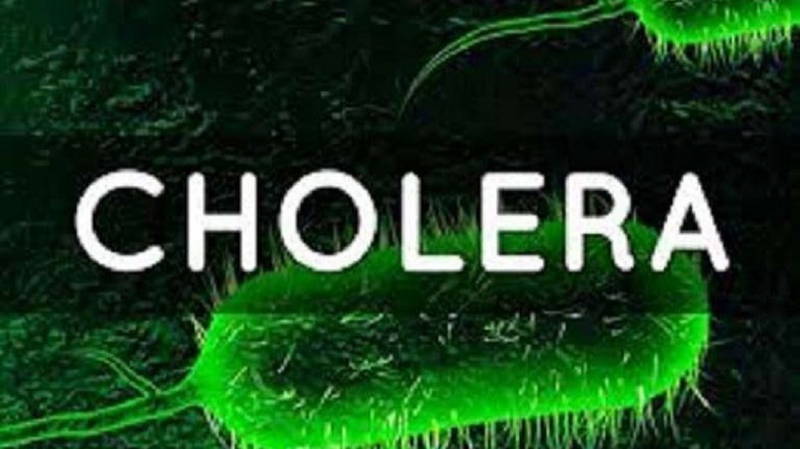
The World Health Organisation (WHO) has released its 2024 global cholera report, revealing a sharp rise in both infections and fatalities. According to the statement issued on Friday, cases increased by 5% compared to 2023, while deaths soared by 50%, with over 6,000 lives lost to a disease that is preventable and treatable.
WHO stressed that the figures likely underestimate the true scale of the crisis. It linked the surge to conflict, climate change, population displacement, and persistent gaps in water, sanitation, and hygiene infrastructure.
Cholera, caused by the Vibrio cholerae bacterium, spreads quickly through contaminated water. In 2024, 60 countries reported outbreaks—up from 45 in 2023—with Africa, the Middle East, and Asia accounting for 98% of cases. Twelve countries recorded more than 10,000 cases each, while seven battled major outbreaks for the first time. Notably, Comoros reported cholera after more than 15 years without an outbreak.
In Africa, the case fatality ratio rose from 1.4% in 2023 to 1.9% in 2024, underscoring weaknesses in health systems and access to care. One in four cholera deaths occurred outside health facilities, highlighting the urgent need for community-level treatment and awareness.
WHO called for stronger measures, including access to safe water, hygiene facilities, accurate public information, vaccines, and rapid treatment. It emphasized that improved surveillance and diagnostics, alongside investment in vaccine production, are critical to curbing the disease.
The organisation also noted progress in vaccine supply, with the new oral cholera vaccine Euvichol-S® added to the global stockpile in 2024. However, high demand forced a continued shift from the standard two-dose regimen to a single-dose campaign, with 40 million doses distributed across 16 countries.
Preliminary 2025 data shows that cholera remains a global threat, with outbreaks already reported in 31 countries. WHO maintained that the global risk is “very high” and reaffirmed its commitment to supporting countries through surveillance, treatment, medical supplies, and community engagement to contain the epidemic.

Health
 News MasterUpdated 6 months Ago1 Mins read
WHO Raises Alarm as Global Cholera Deaths Surge by 50% in 2024
News MasterUpdated 6 months Ago1 Mins read
Share






Related Articles
Health
NCDC Calls for Urgent Action as Lassa Fever Cases Rise in Nigeria
As cases of Lassa fever rise across Nigeria, the Nigerian Center for...
Health
Drug Shortages, Funding Cuts Threaten Nigeria’s NTD Elimination Drive
As the world marks the 2026 World Neglected Tropical Diseases (NTDs) Day,...

Health
Nigeria Set to Introduce Twice-Yearly HIV Prevention Injection
Nigeria is preparing to receive a new long‑acting HIV prevention medication called...

Health
Dr. Daniel Onyetulem: Driving Transformative Change in Nigeria’s Healthcare Sector
Dr. Daniel Onyetulem, a physician, healthcare strategist, and corporate health transformation leader,...




Leave a comment