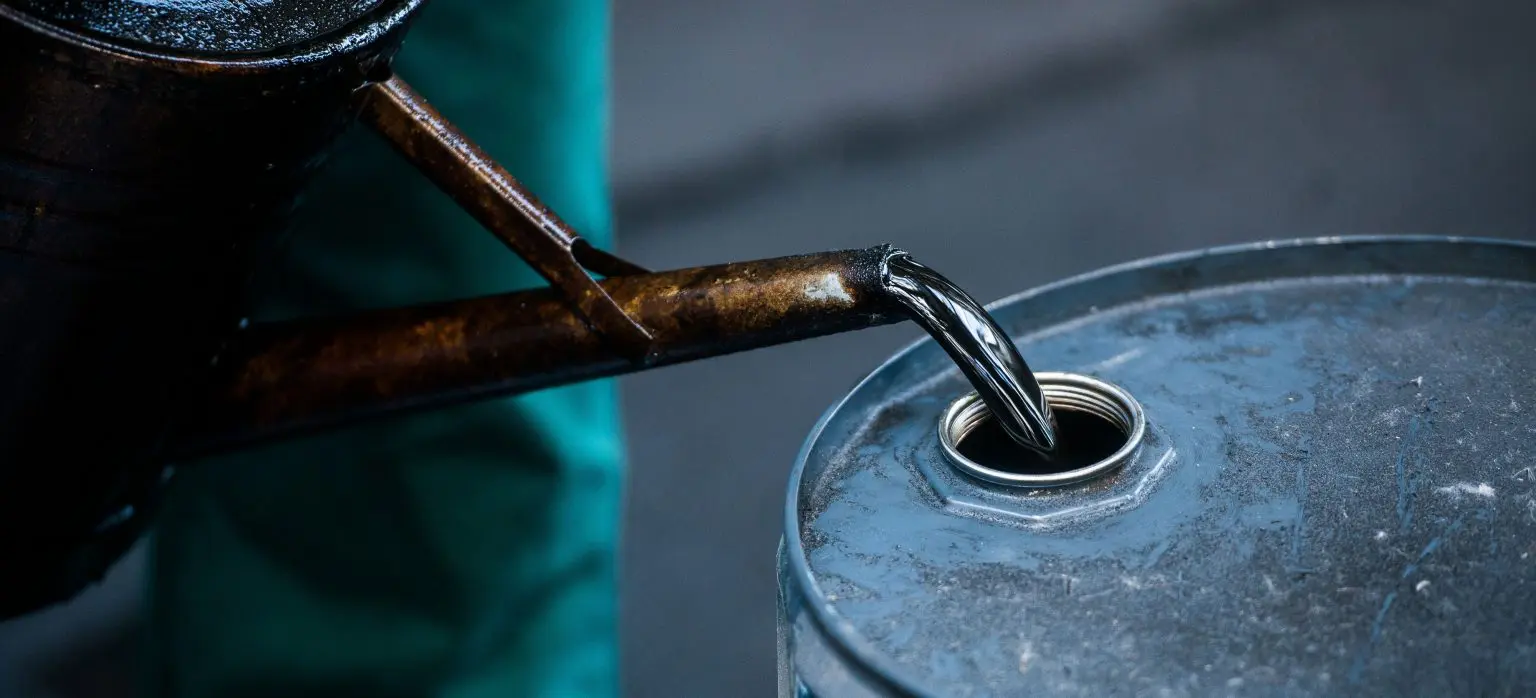
Nigeria lost about 619.7 million barrels of crude oil, valued at $46.16 billion, to theft between 2009 and 2020, according to a new report by the Fair Finance Nigeria (FFNG) coalition.
The report, Community Voices on Oil, Finance, and the Petroleum Industry Act (PIA): A Case Study of Akwa Ibom and Bayelsa States, was launched in Abuja and revealed how weak regulation, corruption, and alleged complicity of oil firms and security agencies have enabled large-scale crude theft.
Despite oil and gas contributing 89.23 per cent of Nigeria’s exports in the third quarter of 2023, host communities remain mired in poverty, environmental degradation, and exclusion from benefits.
The report also noted that although the Petroleum Industry Act mandates oil companies to contribute between $500 million and $800 million annually to Host Communities Development Trusts, only $21.7 million was remitted between 2022 and 2023, crippling development projects in the Niger Delta.
CISLAC Executive Director, Auwal Rafsanjani, urged the government to urgently tackle crude oil theft and ensure petroleum revenues are used transparently for national development. He alleged deep-seated complicity among oil companies, government officials, security operatives, and some community leaders.
“This is an urgent call to action for government, oil firms, financial institutions, and civil society to prioritise transparency and accountability,” he said.
The report further highlighted the role of financiers, noting that while the Nigerian National Petroleum Company Limited (NNPCL) secured $8.6 billion in funding between 2020 and 2023 and posted a $1.7 billion profit in 2023, compliance with environmental, social, and governance standards among banks remains weak.
Experts warned that without stronger regulation and accountability, crude theft will continue to undermine revenue, deepen poverty, and fuel grievances in oil-producing communities.

Business
 News MasterUpdated 5 months Ago1 Mins read
Nigeria Lost $46bn to Crude Oil Theft in 11 Years – Report
News MasterUpdated 5 months Ago1 Mins read
Share





Related Articles
Business
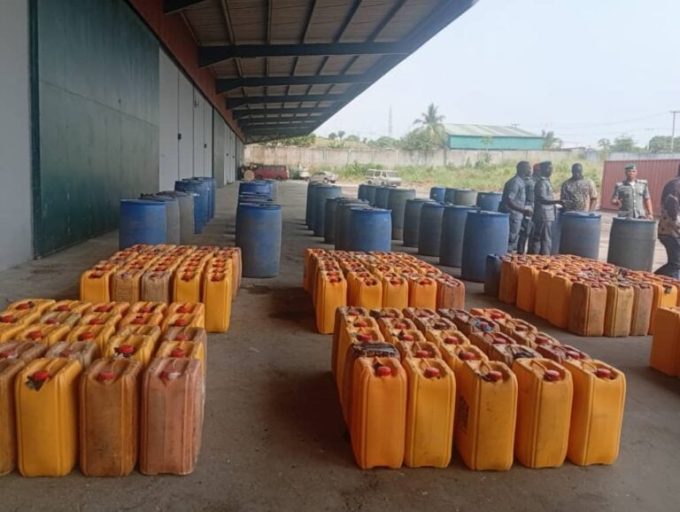
Nigeria Customs Service to Sell Seized 14,375 Litres of Smuggled Fuel in Cross River
The Nigeria Customs Service (NCS) is set to auction 14,375 litres of...
Business
FAAN Unveils 70,000 Digital Payment Cards to Strengthen Cashless Systems at Airports
The Federal Airports Authority of Nigeria (FAAN) has announced the issuance of...
Business
Nigeria Airports Fully Adopt Digital Payment System with Four Options
The Federal Airports Authority of Nigeria (FAAN) rolled out an expanded cashless...
Business
FG Cracks Down on Mini Alcohol Packs to Curb Underage Drinking
The Federal Government has launched a new effort to ban the production,...




Leave a comment