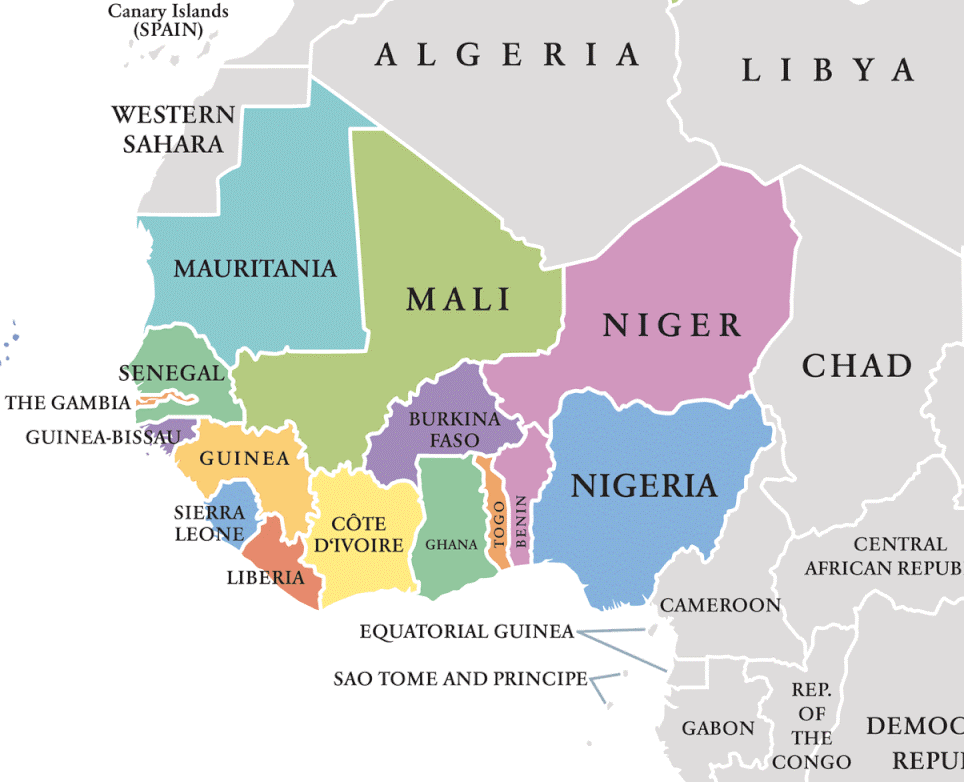
West Africa, once a transit hub for cocaine bound for Europe, is now grappling with a surge in local drug consumption, straining fragile health systems across some of the world’s poorest nations.
The United Nations has warned that trafficking through the Sahel, a region plagued by poverty and insurgency, is intensifying, with cocaine, heroin, methamphetamine, and tramadol flooding markets. Experts say traffickers often pay couriers with drugs, fueling addiction locally.
Nigeria illustrates the crisis: 14.4% of its adult population used drugs in 2019, more than double the global average. Yet six states lack treatment centres, and the entire country of over 200 million people has only 2,500 rehabilitation beds for an estimated three million addicts.
Private facilities like Vanguard Against Drug Abuse in Abuja provide therapy, but costs remain far out of reach for most citizens.
The problem cuts across the region. Sierra Leone battles an epidemic of “kush” and crack cocaine amid corruption scandals, while Ghana faces rising tramadol abuse. “Once drugs enter the system, they don’t just leave,” warned Ghana’s Narcotics Control Commission.
As criminal networks tighten their grip, officials fear West Africa risks shifting from a trafficking corridor into a consumption hotspot deepening social and economic instability.

National
 News MasterUpdated 5 months Ago1 Mins read
West Africa’s Drug Transit Crisis Fuels Local Addiction
News MasterUpdated 5 months Ago1 Mins read
Share





Related Articles

National
House of Reps Moves to Create Nigerian Fintech Regulatory Commission
The House of Representatives has initiated legislative steps to establish a Nigerian...

National
DSS Arrests Suspect Over Alleged Assassination Attempt on Obi, Oyegun
The Department of State Services (DSS) has arrested a suspect allegedly linked...

National
Stakeholders Urge Swift Passage of National Research and Innovation Fund Bill
Stakeholders in Nigeria’s science and technology sector have called for the speedy...
National
FG Begins February Salary Payments, Blames Technical Glitch for Delay
The Federal Government has started disbursing February 2026 salaries to workers paid...




Leave a comment