The United Nations’ World Food Programme (WFP) has warned that cuts in humanitarian funding may prevent it from feeding more than two-thirds of the 318 million people expected to face severe hunger in 2026.
In a statement on Tuesday, the agency said it may only be able to provide assistance to roughly 110 million of the most vulnerable—about one-third of those in need—despite estimating that addressing the crisis fully would cost $13 billion. Current funding forecasts, however, suggest WFP could receive only about half that amount.
The United States, the WFP’s largest donor, reduced foreign aid under President Donald Trump, including contributions to UN agencies. Several European countries have also scaled back humanitarian budgets.
The number of people facing acute hunger has more than doubled since 2019, driven by conflict, extreme weather, and economic instability. This year, UN agencies declared famine in Gaza and parts of Sudan—a situation WFP Executive Director Cindy McCain described as “completely unacceptable in the 21st century.”
McCain noted in the WFP’s 2026 Global Outlook report that the global response to hunger “remains slow, fragmented, and underfunded.” She added that global aid now covers less than half of total needs, forcing nearly all operations to cut food and cash support and prioritize which vulnerable groups receive help.
The report also highlighted a troubling rise in attacks on aid workers, signaling a growing disregard for international humanitarian law.
In 2026, 41 million people are expected to face emergency or worse levels of hunger. Last week, the WFP and the UN’s Food and Agriculture Organisation (FAO) identified 16 “hunger hotspots” worldwide—from Haiti to South Sudan—warning that funding shortfalls are worsening already dire conditions. According to their joint report, only $10.1 billion of the $29 billion needed to assist those at risk has been secured so far.

National
 News MasterUpdated 3 months Ago1 Mins read
UN Warns Funding Shortfalls Could Leave Millions Starving in 2026
News MasterUpdated 3 months Ago1 Mins read
Share






Related Articles

National
Defence Minister Calls for Careful Consideration of Mandatory Military Service
The Minister of Defence, General Christopher Musa, has advocated a measured and...
National
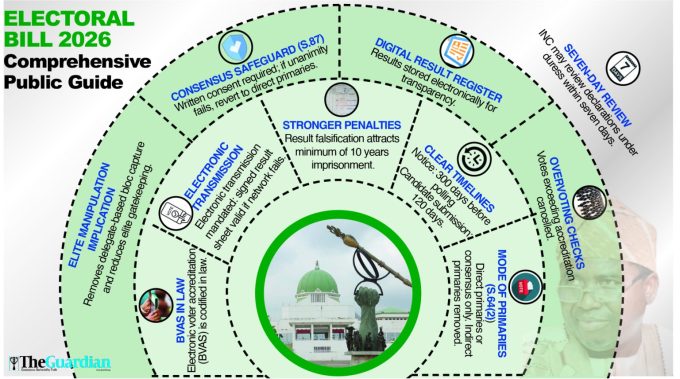
2027 Electoral Battle Shifts to INEC as Tinubu Signs Amended Electoral Act
Abuja – President Bola Tinubu’s signing of the Electoral Act (Amendment) Bill...
National
NBA Denies Alleged $2,000 Payments to SANs in Maiduguri
The Nigerian Bar Association (NBA) has refuted claims that $2,000 was given...

National
CJN Warns New Judges on Economic and Governance Implications of Their Decisions
Abuja – Chief Justice of Nigeria (CJN), Justice Kudirat Olatokunbo Kekere-Ekun, has...




Leave a comment