For Pastor Thomas Marama, fear is no longer a daily companion. A decade ago, he found himself praying before entering markets or navigating traffic in Maiduguri not out of routine devotion, but out of dread. Bombings, gunfire, and ambushes were so frequent that survival felt like chance.
Those memories are shared across the Borno State capital, though residents disagree on which years were the darkest. Some recall 2010–2014, others 2011–2015 or 2015–2016. What no one disputes is the atmosphere of unrelenting panic as Boko Haram violently reshaped life across northeast Nigeria.
Today, that tension has eased. Maiduguri has not suffered a major attack since 2021, and daily life is returning to a rhythm once thought impossible.
“We prayed for peace to return,” said 32-year-old vegetable seller Umar Mohammad, moments after finishing a late-night football match with friends the kind of gathering that was unthinkable at the height of the insurgency.
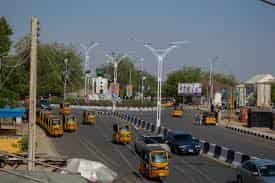
Once-empty streets now hum with bicycles and bright yellow keke tricycles, weaving across newly built highways and flyovers. Electric vehicle charging points are under construction. Markets bustle from morning until night, where men linger over grilled fish, snooker games and conversation deep into the evening.
Security improved, but scars remain
Despite the visible revival, reminders of conflict are everywhere. Military patrol trucks still dominate the roads, and motorcycles remain banned a relic of their use by insurgents. Checkpoints that once caged movement were critical to restoring order, though rights groups accuse security forces of mass arrests and extrajudicial killings in the worst years.
Conflict analyst Malik Samuel of Good Governance Africa notes that the capital’s recovery is no accident. “It’s deliberate securing the state capital,” he said, crediting improved intelligence and security infrastructure for foiling fresh jihadist attacks.
Yet beyond Maiduguri’s bustle, rural areas remain under threat. Boko Haram and its rival faction, ISWAP, continue deadly operations. ISWAP alone reportedly overran 17 military bases between January and June 2025, bolstered by drone use, nighttime raids and foreign fighters. In the northwest, mass kidnappings by armed gangs have surged.
Recovery incomplete for many
Within the city, progress is uneven. At El Miskin IDP camp, thousands live without land, work, schools or stable shelter. Authorities have long pressed to shut camps and send people home, but displacement and poverty persist, more than 700,000 children in Borno are out of school.
Unemployment and “idleness” among young people worry residents who fear economic stagnation could undo security gains.
Restaurant owner Idris Suleiman Gimba still remembers the years when even mosques barred unfamiliar worshippers for fear of suicide bombers, a jarring contrast to Maiduguri’s tradition of openness.
“We’re getting back to normal, but it will take time,” he said. “Borno is blessed.”

State News
 News MasterUpdated 3 months Ago2 Mins read
Maiduguri rebuilds life and confidence after years of Boko Haram terror
News MasterUpdated 3 months Ago2 Mins read
Share






Related Articles

State News
2027: Governor Okpebholo Directs Ambitious Appointees to Resign
Governor Monday Okpebholo of Edo State has ordered all public office holders...

State News
2026 Osun Governorship: PDP Endorses Adeleke Despite His Accord Affiliation
Ahead of the August 15 governorship election in Osun State, the Peoples...

State News
Abia Accelerates Industrial Renewal and Economic Transformation Under Governor Otti
Abia State is witnessing a new wave of economic activity as Governor...
State News
Media Group Backs Governor Otti, Criticizes Overblown Coverage in Umuahia Media Event
A coalition of independent media practitioners, the Media Alliance for Good Governance...




Leave a comment