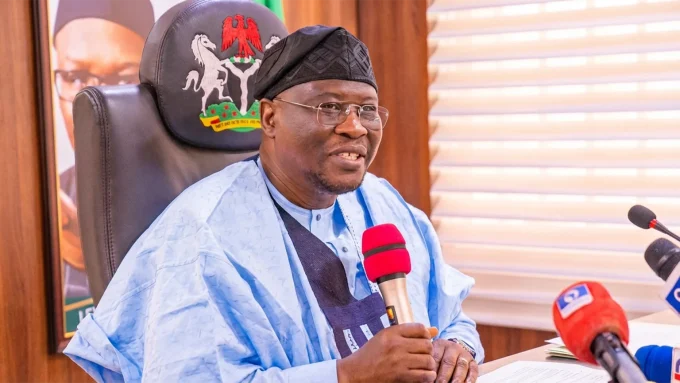
Nigeria’s electricity sector is undergoing a major transformation from a single centrally controlled system to a multi-tier market involving states and private investors a shift that has already attracted more than $2 billion in new investments, according to Minister of Power, Adebayo Adelabu.
Speaking at PwC’s Power and Utility Roundtable 2025 in Lagos, themed “Nigeria’s Multi-Tier Electricity Market: Imperatives for Successful Evolution,” Adelabu said the transition is improving supply stability and opening new channels for growth.
He noted that under the Electricity Act 2023 and President Bola Ahmed Tinubu’s Renewed Hope Agenda, the country is moving away from decades of centralised control, which spanned the eras of ECN, NEPA and PHCN, but failed to provide reliable power.
> “We now have 15 state electricity markets at different stages of development,” Adelabu said. “Nigeria is no longer operating a one-size-fits-all electricity model, but a dynamic framework where states can generate, transmit and distribute power in partnership with private investors.”
The minister listed decentralisation and liberalisation as the core pillars of the reforms, stressing that government funding alone cannot meet the sector’s infrastructure demands, which include thousands of transformers, substations and high-voltage lines.
Private sector financing, he said, is essential to industrial growth, job creation and economic diversification. He further highlighted renewable energy, especially solar, wind and small hydro dams, as a major opportunity area for investors and state-led power markets.
PwC’s Regional Senior Partner, Sam Abu, described the Electricity Act 2023 as a milestone that shifts Nigeria from a centralised system to a competitive, multi-layered market structure.
He said the roundtable, now in its 15th year, continues to bring together key industry stakeholders to move discussions from problem analysis to real solutions.
Abu noted that while the reform encourages innovation and competition, success will depend on transparent regulation, alignment between federal and state authorities, and significant investment in modern power infrastructure.

National
 News MasterUpdated 3 months Ago1 Mins read
Nigeria’s Shift to Multi-Tier Electricity Market Draws Over $2bn Investment – Adelabu
News MasterUpdated 3 months Ago1 Mins read

Share





Related Articles

National
House of Reps Moves to Create Nigerian Fintech Regulatory Commission
The House of Representatives has initiated legislative steps to establish a Nigerian...
National
DSS Arrests Suspect Over Alleged Assassination Attempt on Obi, Oyegun
The Department of State Services (DSS) has arrested a suspect allegedly linked...

National
Stakeholders Urge Swift Passage of National Research and Innovation Fund Bill
Stakeholders in Nigeria’s science and technology sector have called for the speedy...
National
FG Begins February Salary Payments, Blames Technical Glitch for Delay
The Federal Government has started disbursing February 2026 salaries to workers paid...



Leave a comment