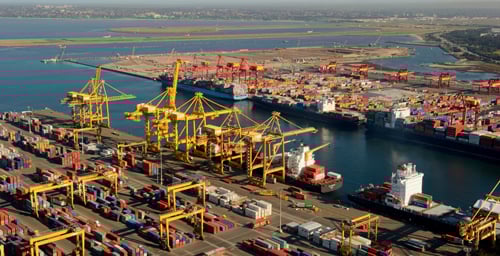
Nigeria’s heavy reliance on imported building materials—accounting for about 70 per cent of supply—is leaving the housing sector highly vulnerable to supply chain disruptions and currency fluctuations, according to the State of Lagos Housing Market Report (Volume 3).
The report highlights that, despite Nigeria’s rich reserves of raw materials, limited local processing capacity keeps the country dependent on imports. This exposes the construction sector to global market shocks, driving up costs and threatening housing affordability.
To stabilize the market, the report recommends boosting local production through manufacturing hubs, improving supply chains, implementing consistent policy reforms, promoting sustainable building practices, and attracting both domestic and foreign investment. These steps are essential to tackle Nigeria’s housing deficit and support sustainable economic growth.
Lagos, Nigeria’s largest city and economic hub, reflects national construction trends. The city’s construction industry is projected to grow by 8 per cent annually, reaching NGN 25.72 trillion by 2025, with a forecasted value of NGN 35.38 trillion by 2029. Rapid urbanization, population growth, and government infrastructure projects—like the Lagos Rail Mass Transit and major road expansions—are driving demand for housing and commercial spaces.
However, rising material costs, persistent inflation, bureaucratic bottlenecks, and high financing expenses are significant challenges. The report notes that the increase in the sector’s value is often driven more by price surges than actual volume growth, masking fundamental issues in affordability and supply efficiency. Between 2015 and 2025, the cost of essential building materials, such as iron rods, has skyrocketed, with prices nearly doubling in recent years.
Addressing these structural challenges in Lagos could serve as a model for national reforms, given the city’s central role in Nigeria’s construction landscape. The report emphasizes that sustainable growth in the housing sector depends on reducing import dependency and strengthening the local building materials market.

Business
 News MasterUpdated 3 months Ago1 Mins read
Nigeria’s Housing Market at Risk as 70% of Building Materials Are Imported, Lagos Report Warns
News MasterUpdated 3 months Ago1 Mins read
Share





Related Articles

Business
Nigeria Airports Fully Adopt Digital Payment System with Four Options
The Federal Airports Authority of Nigeria (FAAN) rolled out an expanded cashless...

Business
FG Cracks Down on Mini Alcohol Packs to Curb Underage Drinking
The Federal Government has launched a new effort to ban the production,...
Business
Nigeria Sees Strong VAT Growth as Collections Reach N2.28 Trillion
Nigeria’s Value Added Tax (VAT) receipts rose significantly in the third quarter...

Business
Dangote Increases PMS Ex-Depot Price by N100 to N874 Amid Crude Oil Surge
Dangote Petroleum Refinery has raised its ex-depot price of Premium Motor Spirit...




Leave a comment