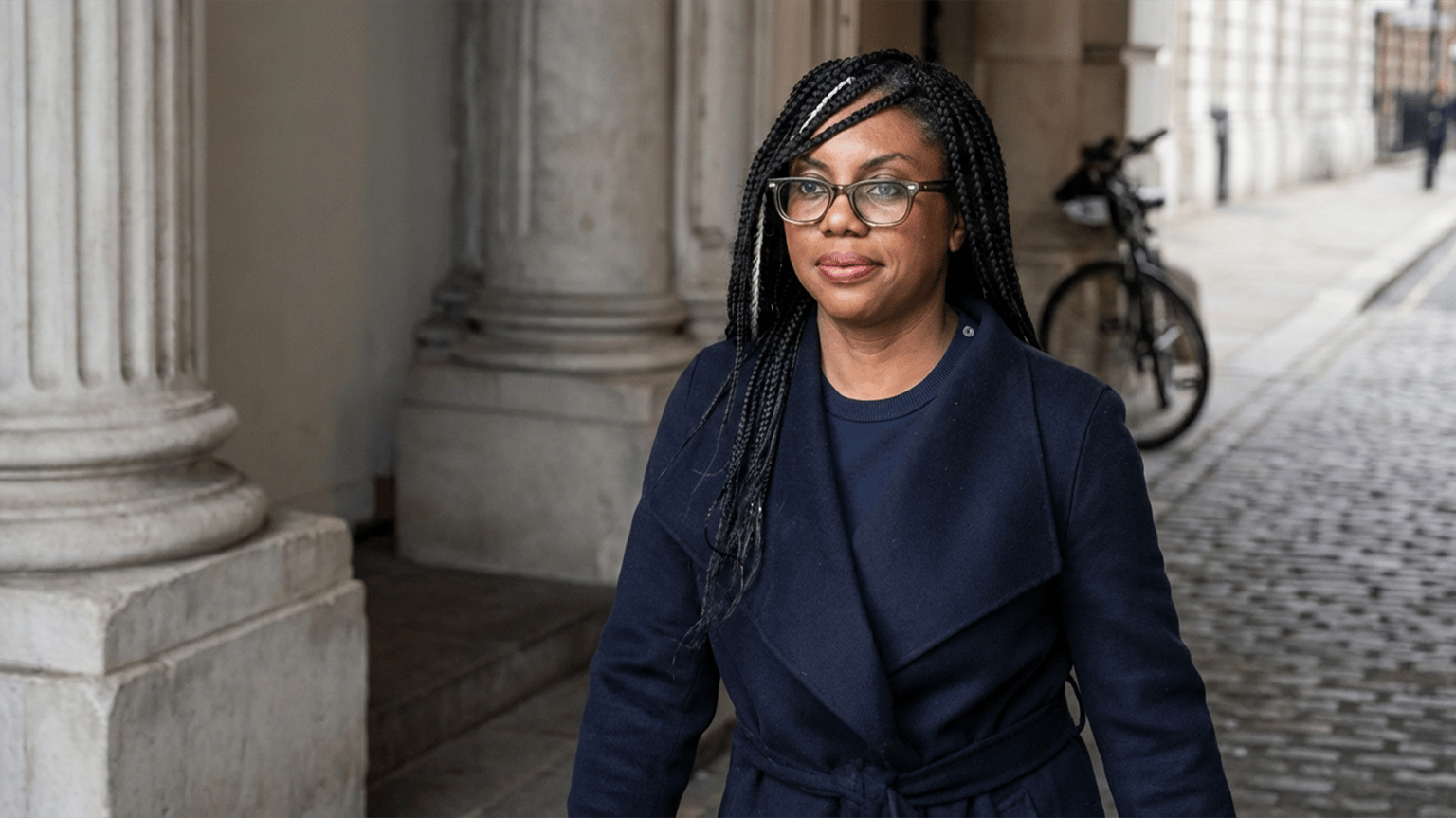
UK Cabinet minister Kemi Badenoch has defended the United States’ military raid in Venezuela that led to the capture of President Nicolás Maduro, describing the action as “morally justified” despite uncertainty over its legality.
Speaking on BBC Radio 4’s Today programme, Badenoch departed from the cautious stance taken by most senior British officials. While many in Westminster have expressed unease over the US intervention, she argued that the moral case outweighed legal concerns.
“Morally, yes,” she said when asked whether sending special forces to detain Maduro was the right move. “Where legal certainty is still unclear, morally I do think it was the right thing to do.”
Prime Minister Sir Keir Starmer has maintained that Britain had no role in the operation, while Foreign Secretary Yvette Cooper reaffirmed the UK’s commitment to international law without openly criticising Washington.
Badenoch insisted that Venezuela’s situation is unlike previous US interventions condemned by Britain, including Margaret Thatcher’s criticism of the 1983 US invasion of Grenada.
“Venezuela was a brutal regime. We did not even recognise it as legitimate,” she said. “What happened is extraordinary, but I understand why America acted.”
She linked her perspective to her personal background, saying her childhood experience under military dictatorship in Nigeria shaped her outlook.
“I know what it’s like to live under someone like Maduro. I know what it’s like when people celebrate freedom in the streets,” she said. “So I am not condemning the US.”
Badenoch admitted the raid raises serious questions about the global rules-based order, but suggested international law is only as strong as the willingness of nations to respect it.
“International law is what countries agree to. There is no world police or world government,” she said.
Quoting Venezuelan opposition leader María Machado, Badenoch asked why the world did not raise legal concerns earlier, accusing nations like Russia and Iran of already exerting invasive influence over Venezuela.
Asked about remarks from US presidential aide Stephen Miller suggesting that global power is determined by strength and force, Badenoch signalled agreement, arguing that the world has changed and power now commands respect.
“What I want is a strong Britain. We cannot control the US. Venezuela is far away. But countries respect strength—and we are getting weaker,” she added.
Her comments marked a shift from her earlier restrained response on January 4, when she urged patience and emphasised the voices of Venezuelans risking their lives for democracy.
The US operation was announced by President Donald Trump, who confirmed Maduro and his wife had been captured and would face prosecution in the US. Trump later stated that Washington would oversee Venezuela’s governance until democratic structures are restored.
Global reaction has been divided, with some nations warning about the use of force and sovereignty breaches, while others focused on Venezuela’s prolonged political and economic collapse. In Britain, the government reiterated it had no involvement and is monitoring the safety of British nationals in the country.
Badenoch’s Nigerian Controversies Resurface
Badenoch’s defence of the US action comes against the backdrop of longstanding controversies over her comments on Nigeria and her personal identity.
Born in London to Nigerian parents and raised partly in Nigeria and the US, Badenoch has repeatedly stirred debate over her Nigerian heritage. In 2025, she stated she does not identify as Nigerian despite her ancestry and revealed she has not held a Nigerian passport in over 20 years.
Her claims in a CNN interview that Nigerian law prevents women from passing citizenship to their children drew sharp backlash from Nigerian officials and legal experts, who accused her of misrepresenting the law and damaging Nigeria’s image.
Nigeria’s government officials, human rights lawyers, and civil society groups criticised her comments, with several accusing her of ignorance, misinformation, and defamation. Advocacy group PeacePro even petitioned the UK government and Conservative Party to review her remarks and issue corrective guidelines.
Critics argue Badenoch has a pattern of making provocative statements about Nigeria while holding one of the UK’s most influential offices, a trend that continues to attract scrutiny both in Britain and Nigeria.

National
 News MasterUpdated 2 months Ago3 Mins read
Badenoch Defends US Operation in Venezuela, Says Morality Outweighs Legal Doubts
News MasterUpdated 2 months Ago3 Mins read
Share



Related Articles
National
FG Introduces 1% Presumptive Tax for Informal Sector, Prohibits Roadside Collections
The Federal Government has introduced a one per cent presumptive tax regime...
National
House of Reps Moves to Create Nigerian Fintech Regulatory Commission
The House of Representatives has initiated legislative steps to establish a Nigerian...
National
DSS Arrests Suspect Over Alleged Assassination Attempt on Obi, Oyegun
The Department of State Services (DSS) has arrested a suspect allegedly linked...
National
Stakeholders Urge Swift Passage of National Research and Innovation Fund Bill
Stakeholders in Nigeria’s science and technology sector have called for the speedy...


Leave a comment