The debate surrounding Nigeria’s new tax laws has highlighted the inherent challenges of relying on legislation as a reform tool. Since their passage by the National Assembly in June last year, the Tinubu administration’s tax reforms have been shaped by controversy, raising questions about process, credibility and implementation.
One major drawback of legislated reforms is the lengthy nature of the lawmaking process, which often creates room for disputes and delays. Political disagreements among stakeholders can further stall progress, while enacted laws remain open to contestation and legal challenge, creating uncertainty for both government and taxpayers.
By contrast, executive orders offer speed and flexibility, allowing quicker implementation and easier modification. However, they also come with limitations, including restricted scope and vulnerability to reversal or legal challenge. These trade-offs may explain why President Bola Tinubu carefully weighed his options before opting for legislative backing in his effort to reset Nigeria’s tax system.
At the heart of the current controversy are allegations of alterations to the gazetted versions of the tax laws, claims raised by a member of the House of Representatives from Sokoto State, Dasuki. The allegations have fuelled concerns over the authenticity of the laws and the possibility of constitutional breaches, casting a shadow over the reform process.
Given Nigeria’s history of budget padding allegations and the existence of multiple budget practices, public scepticism about the integrity of the tax laws is not surprising. In response, the National Assembly has directed the re-gazetting of the Acts, while President Tinubu has insisted that implementation should proceed from January 1, 2026, arguing that there are no substantive issues requiring a pause.
The Nigerian Bar Association and other civil society organisations have called for greater transparency and accountability, stressing the importance of a credible legislative process. Advocates argue that the reforms should be treated as a work in progress, with room for amendments informed by practical experience. In this context, the proposed Office of the Tax Ombudsman could play a key role in resolving disputes and strengthening confidence in the system.
From a development economics perspective, taxation is closely linked to accountability. The theory of “taxation and accountability” suggests that when citizens contribute to government revenue, they are more inclined to demand transparency and responsible governance. This “fiscal contract” between citizens and the state often correlates with democratic maturity and tax compliance.
Taxation can serve as a bargaining tool, encouraging citizens to scrutinise government spending, engage more actively in civic affairs and demand responsiveness from leaders. However, this relationship is influenced by factors such as tax morale, government transparency and the strength of institutions that provide checks and balances.
Beyond procedural concerns, the increase in Capital Gains Tax (CGT) from 10 per cent to 30 per cent has drawn criticism from the corporate sector. Comparatively, CGT rates in countries such as the United States, United Kingdom, Germany, China, Japan and several African economies are generally lower or structured differently for individuals and companies.
Nigeria’s CGT now ranks among the highest in the countries surveyed, surpassed mainly by Germany, Japan and Ghana. Critics warn that such a high rate could discourage foreign direct investment, particularly at a time when Nigeria is attracting portfolio inflows through competitive treasury bill yields.
There are indications, however, that the National Revenue Service (NRS), under the leadership of Zaccheus Adedeji, is reviewing the CGT rate and may reduce it following consultations with private sector stakeholders.
Ultimately, if the tax reforms deliver their intended outcomes, they could strengthen government revenues while empowering citizens to demand greater accountability from leaders, regardless of political affiliation. Whether at the federal or subnational level, those entrusted with governance would be more directly answerable for how public funds are managed.
Such an outcome would align with the aspirations of advocates of good governance, positioning comprehensive tax reform not just as a revenue tool, but as a catalyst for transparency, accountability and democratic consolidation in Nigeria.

National
 News MasterUpdated 2 months Ago2 Mins read
Nigeria’s new tax laws: Between expectation and reality (3)
News MasterUpdated 2 months Ago2 Mins read
Share





Related Articles
National
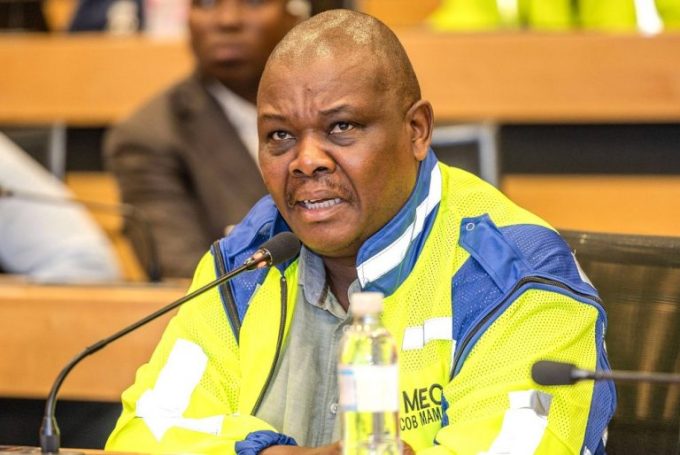
Gauteng MEC Mamabolo Denounces Politicisation of Water Crisis
Gauteng’s Co-operative Governance and Traditional Affairs MEC, Jacob Mamabolo, has criticized the...
National
FG Introduces 1% Presumptive Tax for Informal Sector, Prohibits Roadside Collections
The Federal Government has introduced a one per cent presumptive tax regime...
National
House of Reps Moves to Create Nigerian Fintech Regulatory Commission
The House of Representatives has initiated legislative steps to establish a Nigerian...
National
DSS Arrests Suspect Over Alleged Assassination Attempt on Obi, Oyegun
The Department of State Services (DSS) has arrested a suspect allegedly linked...




Leave a comment