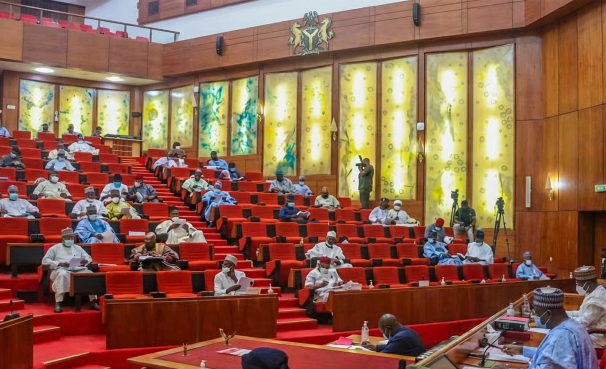
The Senate has moved to investigate the collapse of Nigeria’s $30 million Safe School Initiative, summoning key officials including the Minister of Finance, Wale Edun, and other members of President Bola Ahmed Tinubu’s cabinet over alleged mismanagement of funds meant to protect schools from attacks.
The probe follows years of persistent assaults on educational institutions since the April 14, 2014 abduction of 276 schoolgirls from Government Secondary School, Chibok, Borno State. Lawmakers say the inquiry is aimed at uncovering how funds allocated to the initiative were utilised and why schools across the country remain vulnerable to terrorists, bandits and kidnappers.
Figures presented by the Senate’s ad hoc committee, chaired by Senator Orji Uzor Kalu, indicate that more than 1,680 students have been kidnapped and over 180 schools attacked nationwide since 2014. The committee is examining the use of funds reportedly amounting to about N144 billion released under different funding windows over the past 11 years.
The Safe School Initiative was launched in the aftermath of the Chibok abduction under the Goodluck Jonathan administration, with support from international partners and the private sector. It was designed to strengthen school infrastructure, deploy security personnel, install early-warning systems and reassure parents about the safety of learning environments.
Despite the programme, attacks on schools continued in states including Zamfara, Yobe, Niger, Kaduna and Kebbi. Recent incidents include the abduction of at least 25 female students in Kebbi State and hundreds of pupils in Niger State. Although authorities later secured the release of the abducted students, lawmakers say the recurring incidents point to deep-rooted systemic failures.
The Senate committee noted that more than 42,000 primary and secondary schools in northern Nigeria reportedly lack perimeter fencing, leaving them exposed. Data shows that about 4,270 secondary schools across 21 northern states and the Federal Capital Territory are unfenced, with Bauchi, Kano and Benue among the worst affected.
Further findings revealed that only six out of Nigeria’s 36 states have implemented the Safe School Initiative, raising concerns about poor commitment by state governments to a programme designed to safeguard schoolchildren.
Senator Kalu has pledged that the committee will “track every naira and every dollar” allocated to the initiative. The investigation is expected to determine how funds were spent, whether infrastructure projects were executed, where security personnel were deployed, and why early-warning and emergency-response systems failed to prevent or quickly respond to attacks.
The Senate has given the committee four weeks to conclude its investigation, a timeline lawmakers admit is tight given the scope of the audit covering more than a decade of spending, security deployments and inter-agency coordination.
The probe will also examine institutional overlaps and coordination gaps among ministries and security agencies involved in the initiative. Currently, responsibilities are shared among federal ministries, the Nigeria Security and Civil Defence Corps, the Nigeria Police Force, the military, state governments and local communities—a structure critics say has resulted in slow responses and poor accountability.
Lawmakers say the outcome of the inquiry should include clear recommendations on assigning responsibility to a single lead agency, improving real-time monitoring and response systems, compelling state participation, and strengthening community-based security around schools.
The Senate insists that ensuring the safety of schools is critical to restoring public confidence in education, amid growing fears among parents and concerns that insecurity is discouraging children from attending school. The committee’s findings are expected to shape reforms aimed at ending years of unsafe learning environments across the country.

National
 News MasterUpdated 2 months Ago2 Mins read
Senate probe targets decade-long failures in school safety initiative
News MasterUpdated 2 months Ago2 Mins read
Share

Related Articles
National
House of Reps Moves to Create Nigerian Fintech Regulatory Commission
The House of Representatives has initiated legislative steps to establish a Nigerian...
National
DSS Arrests Suspect Over Alleged Assassination Attempt on Obi, Oyegun
The Department of State Services (DSS) has arrested a suspect allegedly linked...
National
Stakeholders Urge Swift Passage of National Research and Innovation Fund Bill
Stakeholders in Nigeria’s science and technology sector have called for the speedy...
National
FG Begins February Salary Payments, Blames Technical Glitch for Delay
The Federal Government has started disbursing February 2026 salaries to workers paid...


Leave a comment