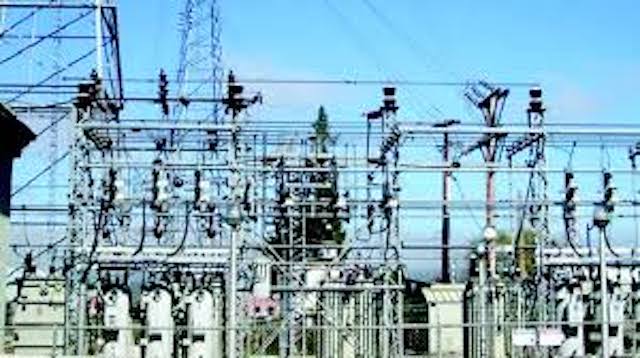
A recent study is calling on Nigeria to carefully review the conditions attached to foreign aid in the power sector, warning that poorly negotiated support could weaken long-term development and institutional capacity.
The research highlighted that countries under heavy financial pressure often accept aid terms that limit their ability to plan, coordinate agencies, and build technical skills within key sectors like electricity.
The study compared several West African countries and found that intense financial stress can reduce a government’s bargaining power, making it more likely to accept short-term solutions that ultimately weaken governance systems and slow progress in providing reliable electricity.
Researchers argue that this dynamic can trap power sectors in repetitive cycles of reforms that appear promising on paper but bring little actual improvement on the ground. They describe a “dangerous feedback loop” in which weak negotiating positions lead to restrictive aid conditions, which in turn erode institutional performance and make future progress harder.
The authors urge Nigeria and other aid-recipient countries to approach foreign assistance more strategically, especially during times of tight public finances. They recommend assessing national vulnerabilities, understanding leverage in negotiations, and avoiding terms that may compromise long-term electricity sector goals.
Nigeria’s electricity sector continues to face challenges, including debt burdens and infrastructure needs that have drawn calls for reform and better financing strategies.

Business
 News MasterUpdated 2 months Ago1 Mins read
Experts Warn Nigeria Against Accepting Restrictive Power Sector Aid
News MasterUpdated 2 months Ago1 Mins read
Share






Related Articles

Business
Nigeria Airports Fully Adopt Digital Payment System with Four Options
The Federal Airports Authority of Nigeria (FAAN) rolled out an expanded cashless...

Business
FG Cracks Down on Mini Alcohol Packs to Curb Underage Drinking
The Federal Government has launched a new effort to ban the production,...
Business
Nigeria Sees Strong VAT Growth as Collections Reach N2.28 Trillion
Nigeria’s Value Added Tax (VAT) receipts rose significantly in the third quarter...

Business
Dangote Increases PMS Ex-Depot Price by N100 to N874 Amid Crude Oil Surge
Dangote Petroleum Refinery has raised its ex-depot price of Premium Motor Spirit...




Leave a comment