
Responsible governance is defined as leadership that places the people at the center of every decision. Public office is not a personal achievement or a symbol of status, but a sacred trust that must be handled with care, humility, and integrity. Leadership must be driven by compassion, guided by conscience, and focused on improving the quality of life of citizens. When power is exercised with sincerity, governance becomes meaningful and purposeful.
Accountability remains a major pillar of responsible governance. Leaders must always be answerable to the people, not only during election periods but at all times. Every decision taken in public office must be open to explanation and evaluation. When leaders accept responsibility for their actions, they earn respect and legitimacy. Without accountability, leadership loses its moral foundation.
Inclusiveness is another vital principle of responsible governance. A society cannot truly progress when certain groups are consistently ignored or marginalized. Every community, whether urban or rural, every age group, and every social class must be carried along in the development process. When people feel seen, heard, and valued, they become partners in progress rather than victims of neglect.
Responsible governance must also be guided by vision and long term thinking. Leadership should not be driven by short term political gains or temporary applause. Instead, policies should be designed to solve real problems and create lasting solutions. In areas such as education, healthcare, infrastructure, and the economy, decisions must be made with the future in mind.
Transparency plays a crucial role in building trust between leaders and the people. Citizens deserve to know how decisions are made and how public resources are used. Openness strengthens confidence, while secrecy breeds suspicion. A transparent system encourages participation, cooperation, and shared responsibility, making governance more effective.
Human development is the true measure of progress. Physical projects may be impressive, but they lose value if the people remain unemployed, unskilled, or hopeless. Responsible governance must empower youths, support small businesses, and create opportunities for growth. A society only prospers when its people are given the tools to succeed.
Unity is also essential to responsible leadership. Governance should bring people together, not divide them. Policies must promote peace, fairness, and mutual respect. When leadership is just and inclusive, citizens develop a sense of belonging and commitment to the system.
In conclusion, responsible governance is rooted in service, accountability, inclusiveness, transparency, vision, and human development. Leadership must inspire hope, encourage participation, and prioritize the welfare of the people above personal ambition. When these values guide governance, progress becomes real, sustainable, and beneficial to all.
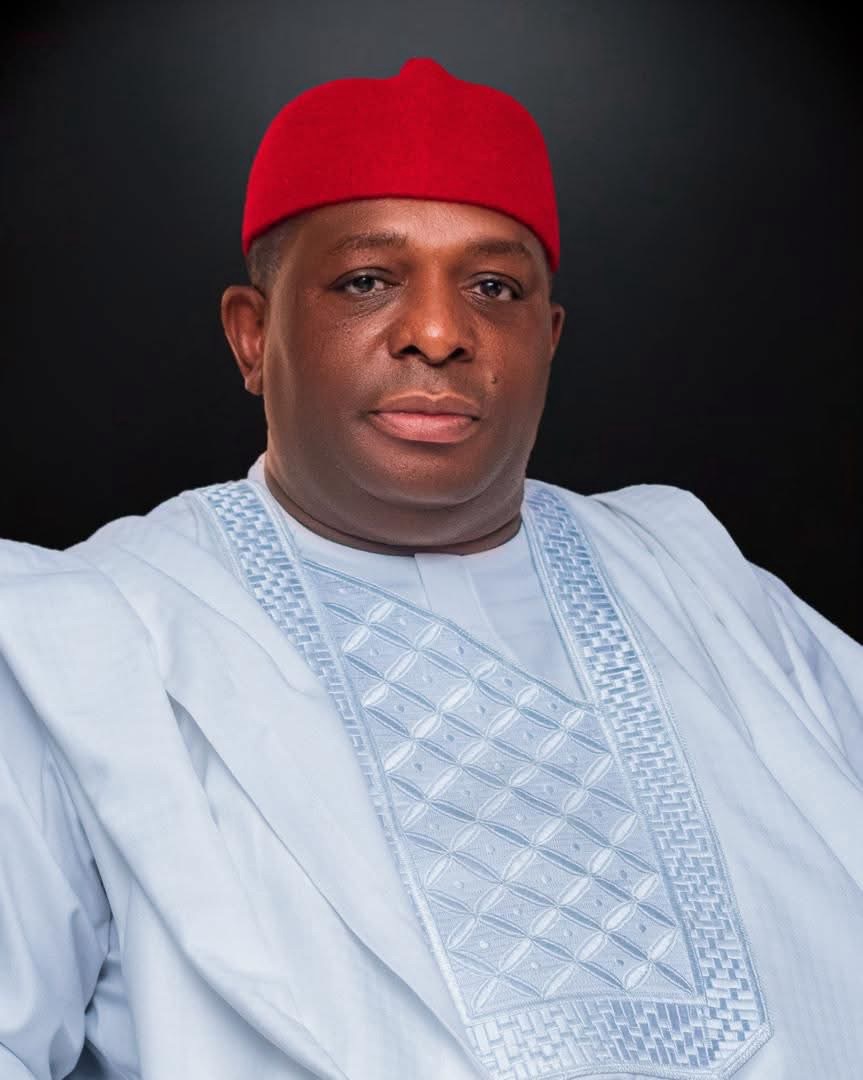
Chief Mascot Uzo Kalu is the 2027 Abia Governorship Aspirant