Nigeria’s oil and gas industry is showing early signs of a gradual recovery, driven by regulatory reforms, increased indigenous participation and renewed investor confidence, despite ongoing production and security challenges.
This assessment was shared by Pedro Omontuemhen, Partner and Clients and Market Leader at PwC Nigeria, during a presentation at the Lagos Chamber of Commerce and Industry (LCCI) 2026 Economic Review and Outlook Conference.
Speaking on “Oil and Gas Sector Performance and Outlook – Trends, Challenges and Prospects in Nigeria’s Oil and Gas Industry,” Omontuemhen said recent policy measures are beginning to stabilise output and rebuild confidence in the sector, even as structural constraints persist.
According to him, Nigeria’s crude oil production averaged about 1.64 million barrels per day in 2025—an improvement on previous years but still below the country’s estimated capacity of over two million barrels per day. He attributed the gap to oil theft, ageing infrastructure, operational inefficiencies and prolonged underinvestment.
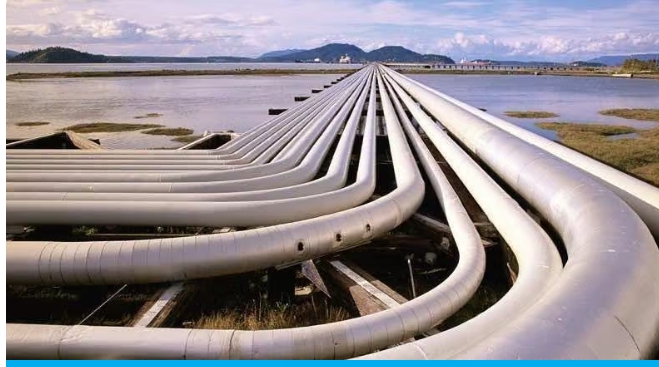
Omontuemhen noted that reforms under the Petroleum Industry Act (PIA), alongside recent executive orders, have attracted more than $16 billion in new investments. These measures, he said, have improved fiscal clarity, strengthened regulatory oversight and boosted indigenous participation. However, local operators continue to face funding constraints and security risks, particularly in onshore areas affected by pipeline vandalism and crude theft.
He added that the sector’s contribution to the economy remains modest but stable, accounting for about 3.44 per cent of Nigeria’s GDP in the third quarter of 2025, up slightly from 3.38 per cent in the same period of 2024. The marginal growth, he explained, was supported by firmer oil prices, improved security in some producing regions and stronger performance by indigenous operators.
Globally, Omontuemhen said demand for petroleum products remains robust despite the energy transition. Gasoline and diesel consumption are projected to rise steadily through 2045, with diesel and gasoil demand expected to reach about 30.1 million barrels per day, reinforcing oil’s continued relevance in the global energy mix.
He also highlighted a major structural shift in Nigeria’s oil industry, noting that indigenous companies now control about 55 per cent of total production following divestments by international oil companies from onshore and shallow-water assets. Since the passage of the PIA, more than $6 billion worth of oil and gas assets have been acquired by local firms.
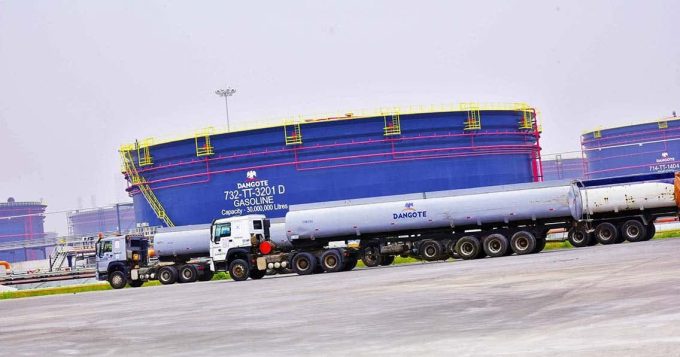
Nigeria’s refining capacity is also undergoing significant transformation, driven by the Dangote Refinery and the expansion of modular refineries. While these developments have reduced reliance on imported petroleum products, Omontuemhen said domestic crude supply remains a challenge, with a sizeable portion of feedstock still sourced from abroad.
He identified deepwater projects as a key growth frontier, citing fields such as Bonga North, Preowei and Owowo, which offer higher production potential and lower exposure to security risks. These projects, he said, are being supported by improved fiscal terms and renewed investor interest.
Despite the positive outlook, Omontuemhen warned that challenges such as oil theft, vandalism, ageing infrastructure and underinvestment continue to limit production capacity. He also cautioned that global market volatility could push oil prices down to about $61 per barrel in 2026, posing fiscal risks for Nigeria.
He added that although Nigeria holds about 33 per cent of Africa’s gas reserves, it has attracted only a small share of global oil and gas investment in recent years, highlighting the need for sustained reforms, enhanced security and improved infrastructure.
Looking ahead, Omontuemhen said the outlook for 2026 is cautiously optimistic, with output projected to recover to between 1.8 and 2.0 million barrels per day as security improves, investments rise and regulatory reforms gain deeper traction.
He concluded that while Nigeria’s oil and gas sector still faces significant structural and operational hurdles, ongoing reforms, growing indigenous participation and renewed investor interest provide a solid foundation for gradual recovery, stressing that policy consistency and infrastructure development will be critical to achieving long-term growth.

Business
 News MasterUpdated 2 months Ago2 Mins read
$16bn Post-PIA Investments Signal Gradual Recovery in Nigeria’s Oil Sector
News MasterUpdated 2 months Ago2 Mins read
Share





Related Articles
Business
Fuel Prices Set to Soar in Nigeria Amid Rising Global Oil Costs
Fuel prices across Nigeria are expected to rise sharply as domestic petrol...

Business
Security Scare Forces Emirates to Suspend Operations to Dubai
The international carrier Emirates has temporarily halted all flight operations to and...
Business
Fuel Price Jumps as Dangote Petroleum Refinery Raises Depot Rate to N995 Per Litre
Fuel prices have surged again after the Dangote Petroleum Refinery increased its...
Business
“A Brighter Tomorrow: Government Rolls Out Mega Solar Energy Plan”
In a bustling nation where generators once hummed louder than hope, a...



Leave a comment