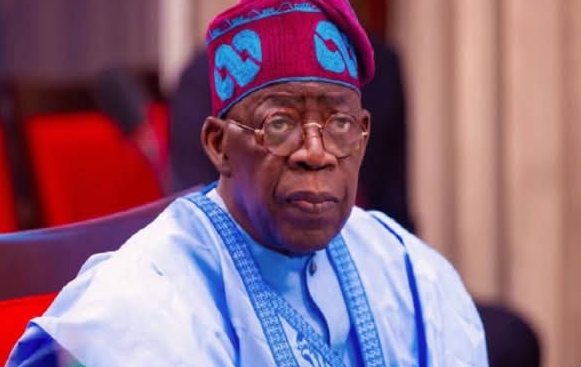
Prominent voices in Nigeria’s civil society and political space have strongly criticised recent changes to the country’s electoral framework, accusing the administration of Bola Ahmed Tinubu and members of the National Assembly of Nigeria of weakening democratic safeguards.
Among those raising concerns are Femi Falana, Pat Utomi, and Oby Ezekwesili, who argue that the amended electoral provisions could undermine transparency in future elections.
The critics warned that the new legal framework risks eroding public trust, particularly around the handling and transmission of election results. They expressed fears that key protections designed to ensure credible polls may have been diluted, potentially opening the door to manipulation.
Utomi described the development as a serious setback, cautioning that it signals a broader struggle between political power holders and citizens seeking accountability. He stressed that democratic progress built over the years could be reversed if reforms fail to prioritise openness and fairness.
Ezekwesili and other reform advocates also voiced concern that weakening electoral safeguards could damage Nigeria’s democratic reputation and discourage citizen participation in the political process.
The backlash comes amid wider agitation by civil society groups and coalitions demanding stronger legal guarantees for transparent elections ahead of the 2027 polls. Many have called for clearer provisions supporting electronic transmission of results and greater engagement between lawmakers and the public.
Despite the criticism, government supporters maintain that the amendments are within legal bounds, setting the stage for continued debate over the future of Nigeria’s electoral system.

Politics
 News MasterUpdated 3 hours Ago1 Mins read
Prominent Nigerians Fault Tinubu, Lawmakers Over Electoral Law Changes
News MasterUpdated 3 hours Ago1 Mins read
Share




Related Articles
Politics
Over 1.2 Million Nigerians Complete Voter Registration in Ongoing INEC Exercise
The Independent National Electoral Commission (INEC) has announced that more than 1.2 million...
Politics
Prof. Pat Utomi Warns Nigeria’s New Electoral Law Could Spark Tensions Ahead of 2027 Polls
Several political commentators and civic groups have raised concerns about the recently...
Politics
Presidential Intervention Halts Leadership Rift in Rivers State
Political tensions in Rivers State have cooled following a last-minute resolution that...
Politics
Mascot Uzor Kalu’s Aspirations Get a Boost as Youth Group Tips Him for Support in Abia
The aspirations of Abia 2027 Election APC Governorship hopeful Chief Mascot Uzor...



Leave a comment