The Federal Government has introduced a one per cent presumptive tax regime targeting operators in the informal sector, while also banning the use of roadblocks for tax and levy collection across the country.
The new regulation, signed in Abuja by the Minister of Finance and Coordinating Minister of the Economy, Wale Edun, imposes a flat one per cent turnover tax on eligible informal businesses. However, micro and subsistence-level enterprises are exempted to protect the smallest and most vulnerable operators.
Edun described the initiative as a structural reform aimed at widening the tax base without increasing the burden on taxpayers. He said the regulation marks a shift from legislative reforms to structured implementation following the passage of new tax laws between mid-2025 and January 2026.
According to the minister, the primary objective is to bring millions of micro and small businesses operating outside the tax system into the formal economy.
Highlighting Nigeria’s approximately four per cent GDP growth in the fourth quarter of 2025, Edun said the government is targeting a seven per cent growth rate in the near term as part of efforts to achieve President Bola Tinubu’s goal of building a $1 trillion economy by 2030.
Key provisions of the regulation include a one per cent turnover tax for qualified informal businesses, exemption for the smallest operators, prohibition of arbitrary “best of judgment” tax assessments, and a ban on roadblocks and cash-based tax collections. The regulation also mandates the use of digital tax identification platforms to improve transparency and reduce revenue leakages.
“Our goal is consistency, clarity, equity and structured entry into the formal economy,” Edun stated, adding that the presumptive tax framework is the first in a series of regulations to guide the implementation of the country’s tax reforms.
The Executive Secretary of the Joint Revenue Board (JTB), Olusegun Adesokan, said the regulation was jointly developed to ensure better coordination among federal, state and local tax authorities. He noted that the new framework aims to address long-standing fragmentation in tax administration and curb unofficial collections.
Adesokan stressed that regulators are expected to promote coordination rather than duplication, assuring that implementation would be closely monitored to prevent abuse.
Nigeria’s informal sector accounts for a significant share of employment and economic activity but contributes relatively little to tax revenue. The new measure is expected to improve compliance and revenue generation.
Meanwhile, data from the National Bureau of Statistics (NBS) showed that Value Added Tax (VAT) revenue rose to N2.28 trillion in the third quarter of 2025, representing a 10.66 per cent increase from N2.06 trillion recorded in the previous quarter.

National
 News MasterUpdated 2 hours Ago2 Mins read
FG Introduces 1% Presumptive Tax for Informal Sector, Prohibits Roadside Collections
News MasterUpdated 2 hours Ago2 Mins read

Share






Related Articles
National
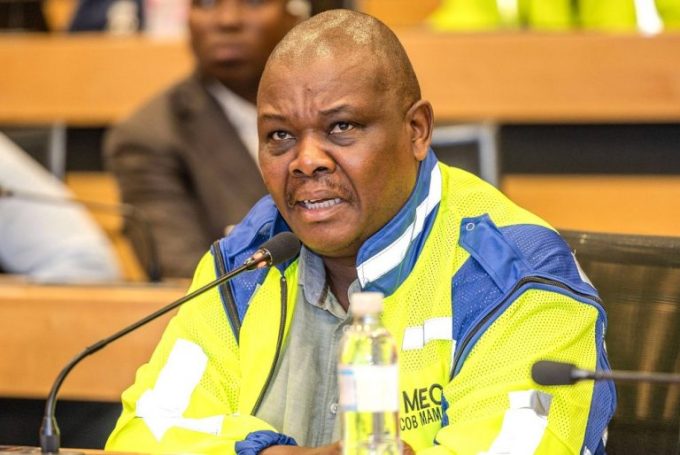
Gauteng MEC Mamabolo Denounces Politicisation of Water Crisis
Gauteng’s Co-operative Governance and Traditional Affairs MEC, Jacob Mamabolo, has criticized the...

National
House of Reps Moves to Create Nigerian Fintech Regulatory Commission
The House of Representatives has initiated legislative steps to establish a Nigerian...

National
DSS Arrests Suspect Over Alleged Assassination Attempt on Obi, Oyegun
The Department of State Services (DSS) has arrested a suspect allegedly linked...

National
Stakeholders Urge Swift Passage of National Research and Innovation Fund Bill
Stakeholders in Nigeria’s science and technology sector have called for the speedy...




Leave a comment