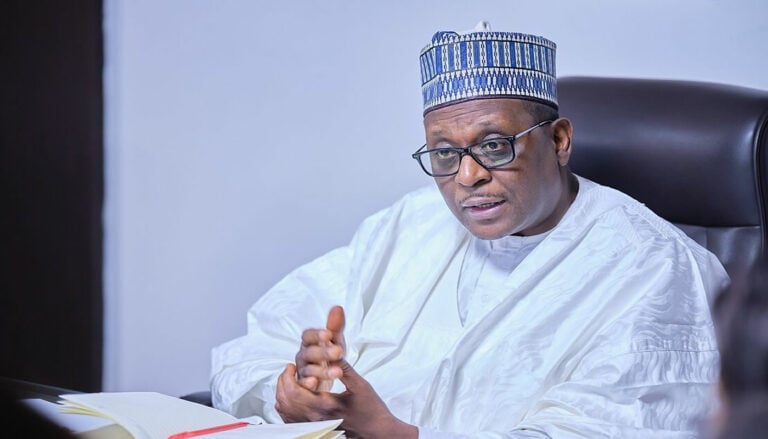
The Federal Government has announced a bold strategy to end reliance on foreign aid for the country’s HIV and tuberculosis (TB) health programs by the year 2030. This initiative is part of a broader effort to strengthen domestic health financing and ensure the sustainability of critical disease‑control efforts.
According to health officials, the plan will involve increasing government budget allocations, improving revenue streams, and mobilizing local resources to cover the costs of treatment, prevention, and support services for people living with HIV and TB. The shift is intended to reduce vulnerability to unpredictable funding from international donors.
Officials noted that while external support has been vital over the years, building financial independence is key to long‑term success in the fight against these conditions. The government also plans to work closely with state governments, private sector partners, and civil society groups to scale up domestic investment in health.
As part of the transition, strategies will be put in place to strengthen health systems and improve efficiency in the use of available resources. The government expressed confidence that the 2030 target is achievable with sustained political will and collaboration among all stakeholders.
Health advocates welcomed the announcement, saying that increased local ownership of HIV and TB programs could enhance accountability and lead to more resilient healthcare services nationwide.

Health
 News MasterUpdated 8 hours Ago1 Mins read
Nigeria Aims to Fully Fund HIV and TB Programs by 2030
News MasterUpdated 8 hours Ago1 Mins read
Share



Related Articles
Health
New Diagnostic Facility Opens in Kogi Community to Improve Local Healthcare
A new medical diagnostic centre has been officially opened in a community...

Health
Two Killed as Air Canada Jet Collides with Fire Truck at U.S. Airport
Two pilots have died and dozens of passengers were injured after an...
Health
TB Gains Threatened by Funding Gap, Stigma, Malnutrition – Experts Warn
As the world marks World Tuberculosis (TB) Day, health experts have raised...

Health
Health Expert Urges Government to Rescue Nigeria’s Health System
A Nigerian medical specialist has called on the Federal Government to take...




Leave a comment