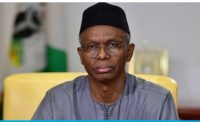
Former Kaduna State governor, Nasir Ahmad El-Rufai, has attributed Nigeria’s sluggish economic performance to the misallocation of human capital, arguing that the country’s growth challenges stem not from a shortage of talent, capital, or ideas, but from the incentives that determine how and where talent is deployed.
In a post shared on his X (formerly Twitter) account on April 1, 2026, El-Rufai described Nigeria as a paradox, noting that despite possessing “extraordinary human capital,” the country continues to experience weak growth and low productivity. He maintained that the issue is rooted in political economy dynamics shaped by incentives rather than moral shortcomings.
According to him, individuals naturally gravitate toward sectors that offer the highest returns on their abilities. He explained that when rewards are tied to productive activities such as entrepreneurship and innovation, economies tend to grow. However, when the most lucrative opportunities lie in rent-seeking, where existing wealth is redistributed rather than created, economic progress is hindered.
El-Rufai stressed that the real concern should not be questioning individual integrity but examining the structure of incentives within the system. “The key issue is not why people engage in corruption, but what activities our system rewards the most,” he said, adding that people respond rationally to the opportunities available to them.
He cited economic indicators to support his position, noting that Nigeria recorded a GDP growth rate of about 4.1 per cent in 2024, which he described as insufficient for a rapidly growing population. He also pointed out that the country’s GDP per capita stands at approximately $1,084, placing it within the lower-income category.
Furthermore, he highlighted that about 93 per cent of Nigeria’s workforce operates within the informal sector, often in small and vulnerable enterprises. He also noted the country’s low tax-to-GDP ratio of roughly 8.2 per cent—one of the lowest in Africa—reflecting limited fiscal capacity.
El-Rufai argued that these conditions discourage the expansion of legitimate businesses and instead push skilled individuals toward state-linked activities, where returns are quicker and more predictable. He warned that such a trend aligns with economic theories suggesting that widespread rent-seeking opportunities draw talent away from productive sectors.
He concluded that rent-seeking undermines economic growth by diverting resources from productive use, raising the cost of doing business, and pulling skilled individuals away from entrepreneurship. According to him, this pattern not only suppresses income levels but could also have long-term consequences for Nigeria’s economic trajectory.

National
 News MasterUpdated 20 hours Ago2 Mins read
Nigeria’s growth crisis driven by misallocation of talent – El-Rufai
News MasterUpdated 20 hours Ago2 Mins read

Share



Related Articles
National
FG Launches VehCAP to Curb Importation of Substandard Vehicles
The Federal Government has stepped up efforts to stop the importation of...

National
FG Announces Two-Day Public Holiday for Easter Observance
The Federal Government has approved a two-day nationwide holiday to commemorate the...

National
United Nigeria Airlines suspends staff over alleged abuse of disabled passenger
United Nigeria Airlines (UNA) has suspended one of its employees following allegations...
National
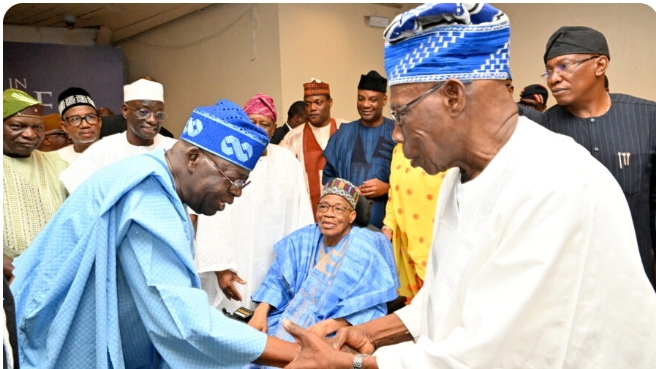
Tinubu, Obasanjo, others named among Nigeria’s 100 most influential figures
Maddtimes has unveiled plans to release its Power List Coffee Table Book,...




Leave a comment