The Medical and Dental Specialists Association in Basic Medical Sciences (MeDSABAMS) has raised serious concerns about the state of medical education in Nigeria, describing it as outdated and unfit for 21st-century healthcare needs.
In a communiqué signed by its National President, Dr John Anionye, and National Secretary General, Dr Tasiu Ibrahim, at the end of its 5th Annual General Meeting and Scientific Conference in Uyo, Akwa Ibom State, the association lamented the widening gap between basic medical research and its application in clinical practice across the country.
According to MeDSABAMS, medical education at the preclinical level has been compromised in many universities, where teaching roles meant for medically qualified experts are increasingly being taken over by non-medically trained personnel. The association described this trend as a deliberate attempt to sideline qualified medical professionals.
The body called for an urgent review of the medical education curriculum at all levels, stressing that such reforms must involve medically qualified experts in both basic and clinical sciences to ensure relevance and quality.
“To bring medical education in Nigeria up to 21st-century standards, modern teaching methods must be adopted to close the existing gap between basic research findings and their use in clinical settings,” the communiqué stated. The group also emphasized the need for stronger collaboration among medical professionals.
While commending the Medical and Dental Council of Nigeria (MDCN) for efforts to safeguard basic medical education, MeDSABAMS urged the Council to continue pushing for increased employment of medically trained lecturers in universities, and for the separation of preclinical medical schools from faculties offering BSc programmes in Anatomy, Physiology, and Biochemistry.
The association further urged university managements to urgently upgrade laboratory facilities in preclinical departments, noting that many are in deplorable condition. It called on both the National Universities Commission (NUC) and MDCN to investigate the deteriorating training infrastructure, warning that such facilities are critical to quality basic medical education.

Health
 News MasterUpdated 11 months Ago1 Mins read
Nigeria’s Medical Education Outdated, Failing 21st Century Standards — MeDSABAMS Warns
News MasterUpdated 11 months Ago1 Mins read
Share






Related Articles
Health
WHO Pushes for Faster Global Response as Hepatitis Elimination Goal Faces Delay Risks
The World Health Organization has raised concern over the slow pace of...

Health
Lagos First Lady Supports Lifesaving Child Surgery with N70m Health Intervention
The wife of the Lagos State Governor, Dr. Ibijoke Sanwo-Olu, has strengthened...
Health
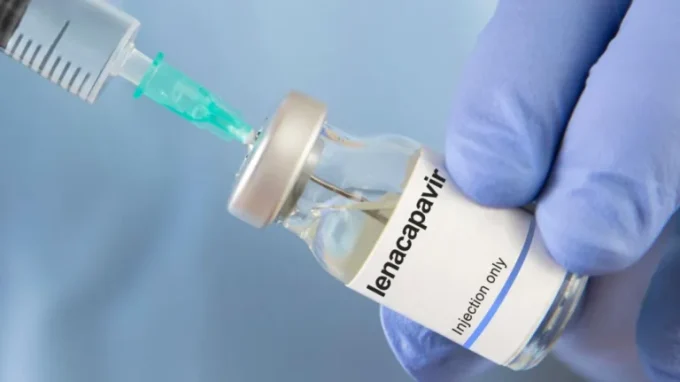
FCT Begins Deployment of New Long-Acting HIV Prevention Injection
The Federal Capital Territory Administration (FCTA) has commenced the introduction of a...

Health
Lagos Event Puts Spotlight on Women’s Health During IWD Commemoration
Health advocates and stakeholders gathered in Lagos to mark the 2026 International...




Leave a comment