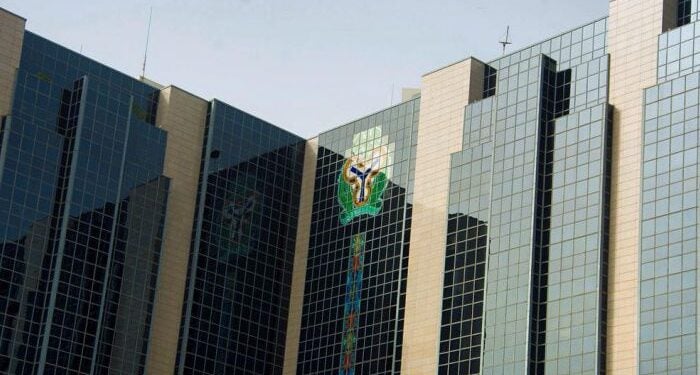
The Office of the Auditor-General of the Federation has accused the Central Bank of Nigeria (CBN), under former Governor Godwin Emefiele, of re-circulating N29.77 billion worth of unfit and dirty banknotes, in direct violation of the bank’s Clean Note Policy.
The allegation appears in the Auditor-General’s recently released Annual Report on Non-Compliance and Internal Control Weaknesses in MDAs for the year ended December 31, 2022. The report reveals that several CBN branches issued banknotes classified as “Counted Audited Dirty,” a category officially deemed unfit for circulation.
Between April and December 2022, the condemned notes were released across Abuja, Lagos, Bauchi, and Jos, with the bulk of the reissued currency coming from Abuja, where N28.615 billion was circulated between October and December. Lagos released N970 million in December, Bauchi issued N30 million in April, and Jos branches released N50 million and N100 million in May.
The audit report noted, “Audit observed that Counted Audited Dirty banknotes amounting to N29,765,000,000.00 were re-circulated into the system by the Central Bank of Nigeria,” emphasizing that this contravened the Clean Note Policy Version 0.1 (2018), which mandates that only authenticated fit notes may enter circulation.
The report attributed the breaches to weaknesses in the CBN’s internal control systems and warned that releasing dirty notes could harm Nigeria’s reputation and reduce note durability.
In response, CBN branches offered differing justifications: the Abuja branch cited operational disruptions caused by COVID-19, the Jos branch pointed to military cash demands amid insecurity, Lagos blamed heightened Christmas cash demand, and Bauchi denied issuing unfit notes. The Auditor-General, however, rejected all explanations as “not satisfactory,” insisting the findings remain valid until corrective measures are implemented.
The report recommends that the National Assembly summon the CBN Governor to justify the breaches and apply sanctions under Financial Regulations if explanations are inadequate.
The recirculation of dirty notes coincided with the controversial naira redesign program launched on October 26, 2022, which triggered nationwide cash shortages, legal disputes, and a Supreme Court ruling extending the validity of old notes.
The audit also highlighted delays in destroying unfit currency, revealing 997 boxes of N10 notes (N99.7 million) and 695 boxes of N500 notes (N3.475 billion) still in CBN vaults as of October 2023. Such delays, the report warned, risk pilferage, public fund losses, and inefficiency in currency management. While CBN claimed destruction was underway, auditors rejected this explanation.
These revelations add to scrutiny over Emefiele’s tenure, as the former governor faces multiple corruption and abuse-of-office charges, including ongoing fraud and procurement cases in Lagos and Abuja. Although the audit does not personally indict Emefiele, it holds CBN management accountable for breaches in cash-handling procedures and internal controls.
In April 2023, CBN staff and customers raised concerns over the poor quality of old naira notes being recirculated, with bank tellers and bulk-room workers noting that mutilated notes could pose health risks.

Business
 News MasterUpdated 10 months Ago2 Mins read
“CBN Accused of Circulating N29.77bn Dirty Notes During Emefiele’s Tenure”
News MasterUpdated 10 months Ago2 Mins read
Share





Related Articles

Business
Hon. Amobi Ogah Engages Global Stakeholders at OTC Texas As Nigeria’s Energy Future Comes in Focus
U.S., Texas — Nigeria’s push for innovation and global collaboration in the...
Business
Fear of Oil Glut as NNPCL Raises Crude Prices Across Grades
Concerns are growing over a possible global oil glut as the Nigerian...
Business
Aliko Dangote’s Wealth Climbs to $34bn After $216m Single-Day Surge
Africa’s richest man, Aliko Dangote, has seen his net worth rise to...
Business
Nigeria’s Petrol Price Drops 15.6% Year-on-Year – NBS
The average retail price of petrol in Nigeria declined by 15.6 per...




Leave a comment