The Federal Government has proposed a sharp increase in funding for the Ministry of Women Affairs and Social Development in the 2026 Appropriation Bill, raising its allocation from ₦78.5 billion in 2025 to ₦154.3 billion, representing a 97 per cent rise.
Details of the budget show that the ministry is set to receive a total of ₦154,315,760,358. Of this amount, ₦2.66 billion is allocated for personnel costs, ₦1.25 billion for overhead expenses, while a massive ₦150.39 billion has been earmarked for capital projects, indicating a strong emphasis on programmes and infrastructure aimed at improving the lives of women and girls.
The dramatic increase is one of the biggest the ministry has recorded in recent years and has raised hopes among women’s rights groups and development advocates that long-standing challenges in women’s welfare, protection and economic empowerment could be more effectively addressed.
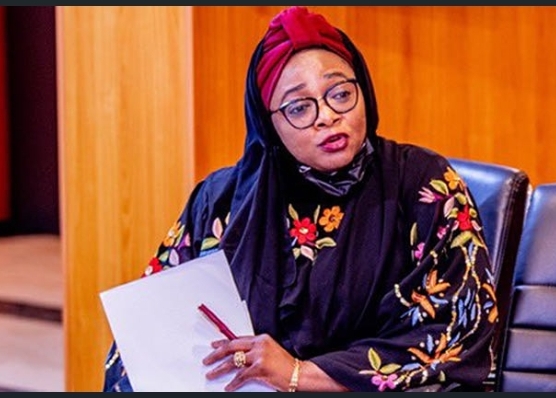
The Minister of Women Affairs, Imaan Suleiman-Ibrahim, had not yet issued an official response to the new allocation as of the time of filing.
Reacting to the development, Ebere Ifendu, National President of the Women in Politics Forum (WiPF), welcomed the higher budget but stressed that proper funding release and effective spending would determine its real impact.
“It is encouraging, but will the money be released?” she asked. “We want deliberate spending on health, education, social services and economic empowerment to lift women out of poverty. The protection of the girl child must also be prioritised, alongside stronger laws and policies to end violence against women and girls.”
She congratulated the minister and Nigerian women, expressing hope that the current leadership would ensure the funds translate into meaningful benefits.
Also speaking, Dr Abiola Akiyode-Afolabi, Director of the Safeguarding Centre at the University of Lagos, described the budget increase as long overdue, noting that the ministry has historically been underfunded.
“This is a welcome development, and the minister deserves credit for her negotiation efforts,” she said. “Women Affairs has often been at the bottom of the funding ladder. We now hope this increase will bring about real institutional reforms, not just impressive figures.”
However, concerns were also raised about transparency and whether all key programmes were fully captured in the budget. A source familiar with the ministry’s operations said some initiatives, including the Nigeria for Women Project, may not have been adequately reflected in the allocation.
With more than ₦150 billion set aside for capital projects, stakeholders say the 2026 budget offers a major opportunity to deliver measurable progress, from reducing gender-based violence and expanding access to education and healthcare to improving social protection and economic opportunities for women nationwide.
Advocates have called for close monitoring, transparency and active civil society involvement to ensure the unprecedented funding produces lasting change for Nigerian women and girls.

Business
 News MasterUpdated 9 months Ago2 Mins read
Women Affairs budget almost doubles to ₦154.3bn in 2026 proposal
News MasterUpdated 9 months Ago2 Mins read
Share



Related Articles

Business
Hon. Amobi Ogah Engages Global Stakeholders at OTC Texas As Nigeria’s Energy Future Comes in Focus
U.S., Texas — Nigeria’s push for innovation and global collaboration in the...
Business
Fear of Oil Glut as NNPCL Raises Crude Prices Across Grades
Concerns are growing over a possible global oil glut as the Nigerian...
Business
Aliko Dangote’s Wealth Climbs to $34bn After $216m Single-Day Surge
Africa’s richest man, Aliko Dangote, has seen his net worth rise to...
Business
Nigeria’s Petrol Price Drops 15.6% Year-on-Year – NBS
The average retail price of petrol in Nigeria declined by 15.6 per...




Leave a comment