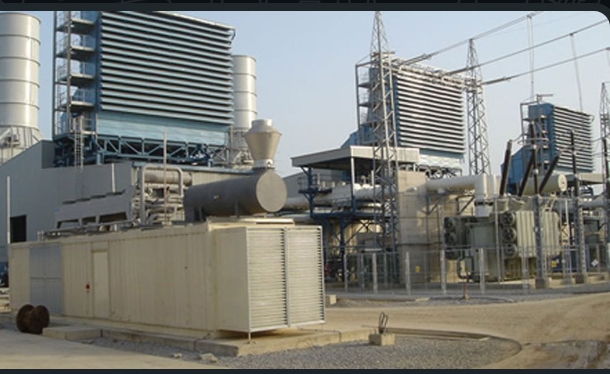
Nigeria’s electricity generation continued to suffer significant underutilisation in December 2025, with grid-connected power plants operating at just 38 per cent of installed capacity, highlighting persistent weaknesses in the country’s electricity value chain.
Data from the Nigerian Electricity Regulatory Commission’s (NERC) Operational Performance of Power Plants factsheet showed that only 5,151 megawatts (MW) of the nation’s 13,625MW installed generation capacity was available for dispatch during the month. This translated to a 62 per cent shortfall between installed and usable capacity.
The low performance comes as Nigeria implements a service-based tariff regime, under which electricity consumers are billed based on the number of hours of supply promised, raising concerns about the ability of operators to meet service obligations.
Despite the apparent adequacy of installed capacity on paper, operational constraints continued to limit output. Average hourly generation stood at 4,367 megawatt-hours, while the average load factor was 85 per cent, indicating that most of the available power was utilised but that overall availability remained severely constrained.
The factsheet also revealed a high concentration of generation among a few power stations. The 10 largest plants accounted for 81 per cent of total electricity produced in December, a situation that analysts say increases system vulnerability and over-reliance on a narrow group of assets.
Hydropower stations, including Zungeru, Kainji and Jebba, recorded relatively strong performance. Zungeru operated at full availability and generated power at an 83 per cent load factor. However, many thermal plants continued to struggle, operating far below capacity due to gas supply disruptions, maintenance backlogs and operational inefficiencies.
Several power stations posted single-digit availability rates, while others, such as Alaoji One, Ibom Power One and Trans Amadi One, generated little or no electricity throughout the month. These outages significantly weighed on national output, particularly during periods of peak demand.
Beyond generation challenges, the data pointed to persistent grid instability. Average grid voltage levels breached regulatory limits, with lower voltage averaging 302.84kV, below the minimum threshold of 313.50kV, while upper voltage averaged 347.52kV, exceeding the maximum allowable limit of 346.50kV.
Grid frequency control also remained weak, with an average low of 49.14Hz and a high of 50.63Hz, outside the approved range of 49.75Hz to 50.25Hz. Such deviations signal operational stress and heighten the risk of system disturbances, including partial or total grid collapses.
Unstable voltage and frequency conditions often compel system operators to constrain generation to protect infrastructure, further reducing usable output even where capacity exists.
The December performance underscored the limitations of reforms focused largely on expanding installed capacity without resolving constraints across gas supply, transmission, distribution and system operations. Although Nigeria has added substantial generation assets over the past decade, the sector has struggled to consistently convert capacity into delivered electricity.
The challenges persist despite the $2.3 billion Siemens-backed Presidential Power Initiative, which aims to strengthen the power value chain. Industry observers also raised concerns about the sustainability of the electricity market, which remains burdened by payment shortfalls exceeding N4 trillion, weak contract enforcement and limited incentives for maintenance and efficiency improvements.
Experts noted that while utilisation of available capacity remained relatively high, the fundamental issue is poor availability. Until gas supply reliability improves, grid stability is strengthened and financially distressed operators are stabilised, Nigeria’s power sector is likely to remain locked in a cycle of low output and unmet demand.

National
 News MasterUpdated 9 months Ago2 Mins read
Power generation drops sharply as plants run at 38% capacity
News MasterUpdated 9 months Ago2 Mins read
Share





Related Articles

National
Nigeria Moves Against South Africa Over Killing of Citizens, Demands Accountability
The Federal Government has intensified diplomatic pressure on South Africa following the...
National
Reps Approve Bill for New Federal Medical Centre in Ikwuano, Awaits Senate Approval
The House of Representatives has passed a bill sponsored by Hon. Obi...
National
FG Targets Malnutrition with New 10-Year Nutrition Policy
The Federal Government has taken a major step toward tackling malnutrition following...

National
Kalu’s Lawyers Reject Petition Seeking Revocation of Law School Certificate
Legal representatives of the Deputy Speaker of the House of Representatives, Benjamin...




Leave a comment