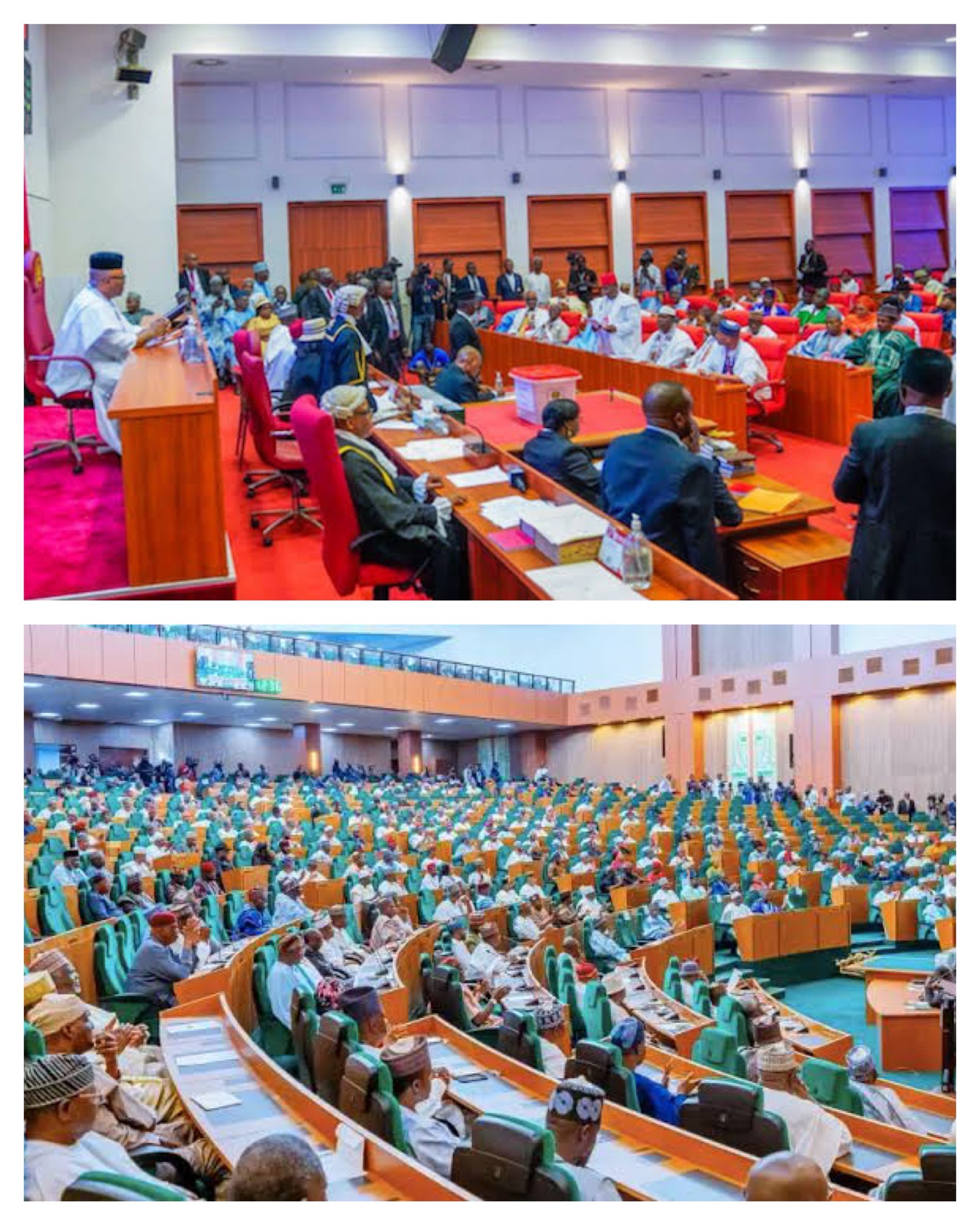
Abuja — Debate over amendments to Nigeria’s Electoral Act has deepened as the Senate and House of Representatives proceed to harmonise differences in their respective versions of the bill, particularly on the issue of electronic transmission of election results.
While many Nigerians perceive the Senate’s position as reflecting a different approach from that of the House, the development has now entered the formal reconciliation stage through Conference Committees set up by both chambers — a standard legislative procedure whenever differing versions of a bill are passed.
The Core Issue
The House version is widely seen as reinforcing firmer provisions for electronic transmission of results from polling units, a position supported by many civil society groups and opposition figures who argue it enhances transparency.
The Senate’s version, however, is viewed in some quarters as allowing broader discretion in how such transmission would be implemented, sparking concern among segments of the public that mandatory real-time electronic upload could be diluted. Lawmakers backing the Senate position maintain that the intent is not to weaken reform but to ensure legal and operational practicality.
Conference Committees Named
To reconcile the differences, both chambers have appointed members to a joint Conference Committee.
Senate Conference Committee Members
Simon Lalong (Plateau, APC) Adeniyi Adegbonmire (Ondo, APC) Tahir Monguno (Borno, APC) Adamu Aliero (Kebbi, APC) Orji Uzor Kalu (Abia, APC) Abba Moro (Benue, PDP) Asuquo Ekpenyong (Cross River, APC) Aminu Abbas (Adamawa, PDP) Tokunbo Abiru (Lagos, APC)
House of Representatives Conference Committee Members
Bayo Balogun (Chairman, Lagos, APC) Ahmed Idris Wase (Plateau, APC) Fred Agbedi (Bayelsa, PDP) Sada Soli (Katsina, APC) Obi Aguocha (Abia, LP) Ahmadu Jaha (Borno, APC) Igariwey Iduma Enwo (Ebonyi, APC) Saidu Musa Abdullahi (Niger, APC) Zainab Gimba (Borno, APC) Awaji-Inombek Abiante (Rivers, PDP) James Abiodun Faleke (Lagos, APC) Paschal Agbodike (Anambra, APGA)
Why It Matters
The harmonisation outcome will shape public confidence in Nigeria’s elections. For many Nigerians, electronic transmission of results is viewed as a key safeguard for transparency and reduced human interference, while others stress that reforms must remain practical and legally workable.
Beyond the technical debate, the process tests the National Assembly’s ability to build consensus on a sensitive national issue. The final wording of the bill could influence how credible and trusted future elections are perceived to be.
Institutionally, the Committee’s work is a test of the National Assembly’s ability to build consensus on high-stakes national issues. The final version of the bill will signal how lawmakers balance technological progress, legal clarity, and administrative feasibility, a balance that could influence preparations for future general elections.