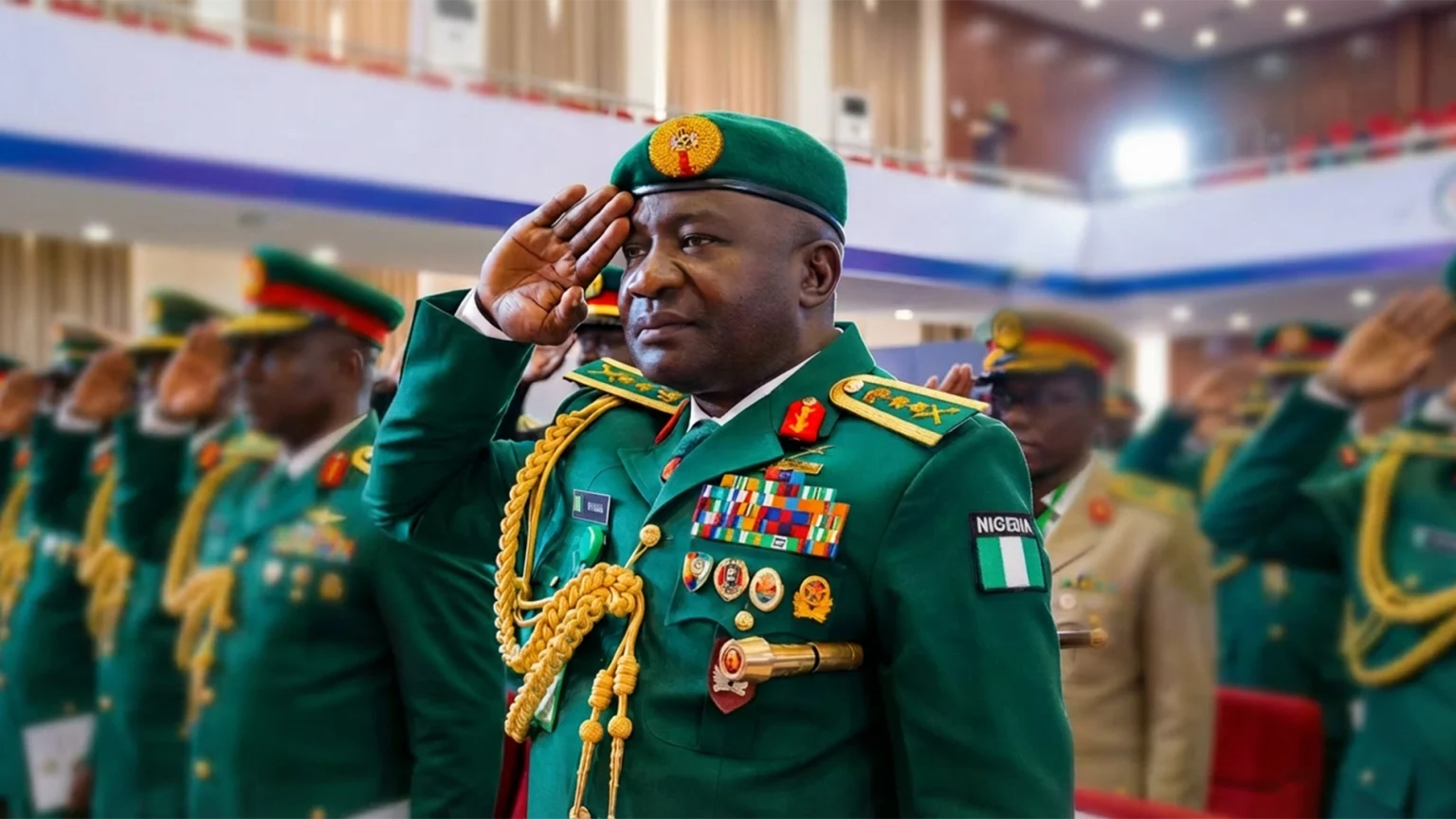
The Minister of Defence, General Christopher Musa, has advocated a measured and balanced approach to the proposal for mandatory military service for Nigerian youths, stressing that any such policy must align with constitutional provisions, institutional capacity, and the country’s socio-economic realities.
Speaking in Abuja on Friday at the presentation of the book “Serving the Nation: Exploring Mandatory Military Service for Nigerian Youths,” Musa described the debate as timely, given Nigeria’s large youth population and persistent security challenges. He noted that discussions around structured youth service should focus on strengthening civic responsibility, national development, and security.
Represented by the Deputy Director of Special Duties in the Office of the Minister, Colonel Egbe George Usibe, Musa emphasized the importance of harnessing the energy, creativity, and patriotism of young Nigerians to promote unity, peace, and sustainable growth.
He pointed out that approaches to national service differ across the world. While some countries operate compulsory military service as part of their defence systems, others depend on professional volunteer armed forces supported by reserve units and civic service programmes.
According to him, nations such as Israel, South Korea, Finland, and Singapore have successfully implemented mandatory service, fostering discipline, patriotism, and national readiness among their youths.
However, Musa cautioned that Nigeria’s security concerns cannot be solved by increasing manpower alone. He stressed that effective governance, strong institutions, economic opportunities, and active citizen participation are equally vital for long-term stability.
“Any policy on mandatory military service must be balanced and consistent with our constitution, institutional strength, and the socio-economic realities of our youths. We cannot adopt measures the country is not prepared to sustain,” he warned.
The Minister noted that Nigeria currently operates a professional volunteer military tasked with safeguarding national sovereignty. This is complemented by the National Youth Service Corps (NYSC), which promotes national integration and youth engagement across the federation.
While acknowledging the potential benefits of a structured national service framework—such as fostering unity, discipline, and emergency preparedness—Musa maintained that any reform must be carefully planned and thoughtfully implemented.
Author of the book, Dr. Mohammed Sani Abubakar, said the publication is based on his doctoral research in Military Studies at the University of Abuja. Dedicated to retired Lt. Gen. T.Y. Buratai, the 287-page book examines issues including youth empowerment, leadership in military training, insecurity, and Nigeria’s unique socio-political context.
Drawing inspiration from countries that operate compulsory service, Abubakar argued that structured national service can instill discipline, patriotism, and readiness among young citizens. He disclosed that findings from his research indicate that 73.1 percent of Nigerians support mandatory military service, while 79.7 percent believe it could help tackle security challenges.
Abubakar expressed optimism that the book would stimulate meaningful dialogue on youth involvement, national security, and sustainable development.
Also speaking, the National Coordinator of BRAVEIT, Dr. A.K. Peters, explained the difference between mandatory military service and the NYSC scheme. He said that while NYSC promotes national integration and cultural exchange, compulsory military service focuses on discipline, regimentation, and defence preparedness.
Peters noted that mandatory service typically exposes youths to structured military training, similar to models in countries like Israel, where service can extend up to 36 months. In contrast, the NYSC operates as a community-oriented programme designed to foster social cohesion rather than direct military readiness.

National
 News MasterUpdated 7 months Ago2 Mins read
Defence Minister Calls for Careful Consideration of Mandatory Military Service
News MasterUpdated 7 months Ago2 Mins read
Share



Related Articles

National
Nigeria Moves Against South Africa Over Killing of Citizens, Demands Accountability
The Federal Government has intensified diplomatic pressure on South Africa following the...
National
Reps Approve Bill for New Federal Medical Centre in Ikwuano, Awaits Senate Approval
The House of Representatives has passed a bill sponsored by Hon. Obi...

National
FG Targets Malnutrition with New 10-Year Nutrition Policy
The Federal Government has taken a major step toward tackling malnutrition following...

National
Kalu’s Lawyers Reject Petition Seeking Revocation of Law School Certificate
Legal representatives of the Deputy Speaker of the House of Representatives, Benjamin...




Leave a comment