A recently circulated open letter addressed to Seyi Tinubu, son of President Bola Ahmed Tinubu, has drawn attention to emerging concerns over rising tensions in the Niger Delta and the need for proactive engagement to prevent potential unrest.
The letter, authored by Omuda Oritsejolomisan Joseph Ogedegbe, a Nigeria-born observer based in Hannover, Germany, urges Seyi Tinubu to take a more direct role in engaging stakeholders in the Niger Delta. According to the writer, the region is showing signs of increasing strain that may escalate if not carefully managed.
Ogedegbe emphasized that relying solely on indirect communication or intermediaries could lead to incomplete or distorted understandings of the situation. He suggested that direct interaction with key actors in the region would provide clearer insights and foster trust-building measures.
He further noted that while President Bola Tinubu remains occupied with national governance responsibilities, there is an opportunity for early intervention at other levels of influence to help de-escalate tensions. The letter frames this as both a warning and an opportunity, warning of possible instability if concerns are ignored, and an opportunity to strengthen dialogue and prevent conflict.
Concluding his message, Ogedegbe called for timely and sincere engagement, stating that constructive communication at this stage could positively influence outcomes and reinforce public confidence in leadership.
Reacting to the letter, Afejuku reflected on its tone and implications, describing it as thought-provoking and laced with subtle humor. He also highlighted the evolving public perception of figures within the presidency’s inner circle, noting how younger voices are increasingly engaging with national discourse in symbolic and advisory ways.
Afejuku further explored the broader cultural and philosophical dimensions of humor, referencing established literary perspectives that describe humor as complex, varied, and often difficult to define. He suggested that the reactions elicited by the letter reveal deeper layers of societal interpretation, political awareness, and public curiosity.
The piece ultimately underscores both the growing engagement of Nigerians in diaspora with domestic affairs and the continuing conversation around governance, representation, and regional stability in the country.

Featured
 News MasterUpdated 7 months Ago1 Mins read
Open Letter to Seyi Tinubu Sparks Reflection on Niger Delta Tensions
News MasterUpdated 7 months Ago1 Mins read

Share






Related Articles
Featured
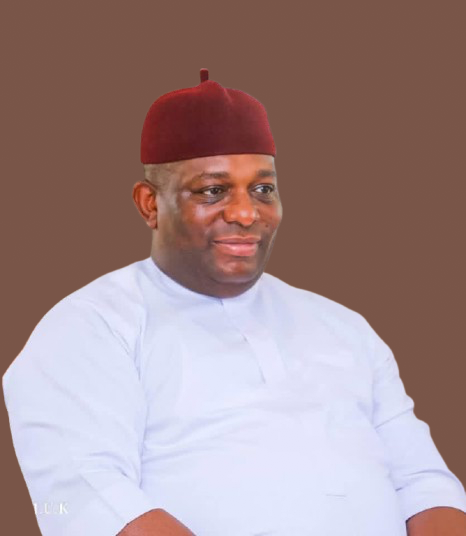
ARTICLE: Service Beyond the Ballot: Chief Mascot Uzor Kalu’s Enduring Commitment to the People
Leadership is not defined solely by electoral victory or the office one...
Featured
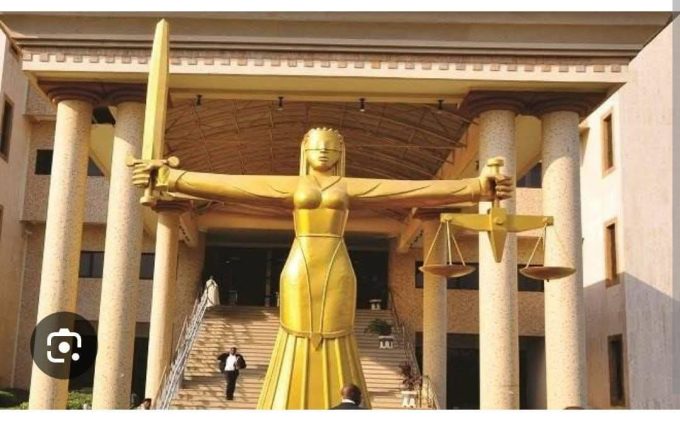
Supreme Court Set to Rule on PDP and ADC Leadership Disputes Today
Nigeria’s political landscape is on edge as the Supreme Court prepares to...
Featured
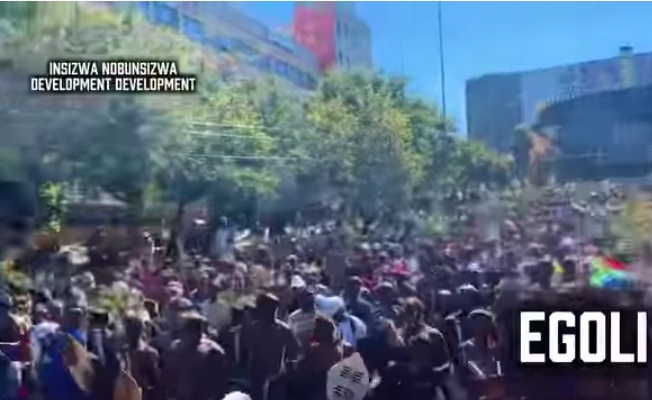
Mass Demonstrations in South Africa Highlight Rising Tensions Over Foreign Nationals
Large-scale demonstrations broke out across several major cities in South Africa as...

Featured
Article: Fixing Nigeria Starts with Fixing the States by Dr Uche Ogah
By Uche Ogah Nigeria’s development challenge is not merely a national dilemma....




Leave a comment