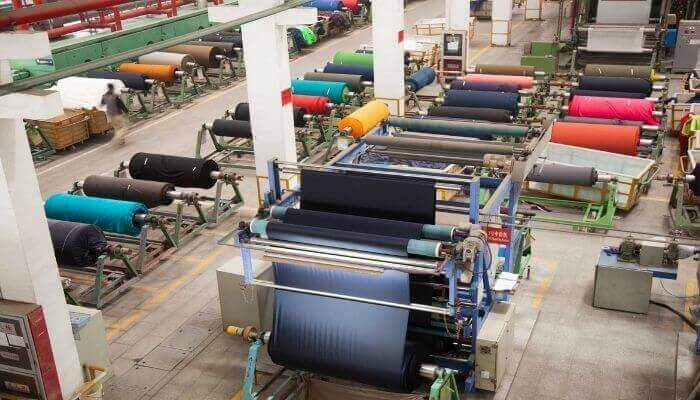
Nigeria’s textile imports have skyrocketed by 297.8% over a five-year period, rising from ₦182.53 billion in 2020 to ₦726.18 billion in 2024, according to figures from the National Bureau of Statistics (NBS). The data shows a steady increase: ₦278.8 billion in 2021, ₦365.5 billion in 2022, and ₦377.1 billion in 2023, reflecting the nation’s growing reliance on foreign textiles despite its local production potential.
Industrial investment expert Gagan Gupta, CEO and founder of Arise Integrated Industrial Platform (ARISE IIP), believes Nigeria can revive its once-thriving textile sector through comprehensive reforms and targeted infrastructure investments. Speaking on the topic, “The Journey to Making Africa a Global Manufacturing Hub,” Gupta emphasized Nigeria’s abundant cotton resources and strong local demand, suggesting that with the right policies, the country could compete in the $10.3 billion global apparel export market.
Gupta warned that Nigeria risks missing out on one of its most promising industrial opportunities without urgent action. He cited several challenges facing local businesses, including limited access to funding and working capital, difficulties in sourcing raw materials, and the rising cost of foreign exchange, which inflates the price of imported machinery and inputs.
Despite having raw materials, a sizable workforce, and a growing consumer base, Gupta said these assets remain underutilized due to policy gaps, infrastructure challenges, and underdeveloped industrial systems. He stressed that unless production facilities are modernized, transport and power infrastructure are improved, and access to finance is broadened, Nigeria will continue to rely on imports instead of developing a robust export base.
To unlock the textile sector’s full potential, Gupta called for sustained reforms that prioritize value addition, support for local manufacturers, and integration into regional and global supply chains. He concluded that meaningful transformation will only occur through strategic alignment between public policy, private investment, and targeted industry support.

NEWS
 News MasterUpdated July 21, 20251 Mins read
Nigeria’s Textile Imports Surge by 297% in Five Years as Experts Call for Urgent Industry Reforms
News MasterUpdated July 21, 20251 Mins read
Share






Related Articles

NEWS
SUNDAY VINE – Topic: When God Says, “Move Forward By Dr Uche Ogah
There are moments in life when everything appears to stand still. You...

NEWS
Sunday Vine – Topic: When God Says, “Move Forward
There are moments in life when everything appears to stand still. You...

NEWS
Dr. Patience Dappa Advocates Economic Diversification at Maiden Warri Blue Economy Summit
The Group Managing Director of Masters Energy Group, Dr. Patience Dappa, has...

NEWS
FATHER’S DAY: OBI AGUOCHA HONOURS FATHERS, DESCRIBES THEM AS GUARDIANS OF HOPE AND VALUES
Member representing Ikwuano/Umuahia North/Umuahia South Federal Constituency in the House of Representatives,...




Leave a comment