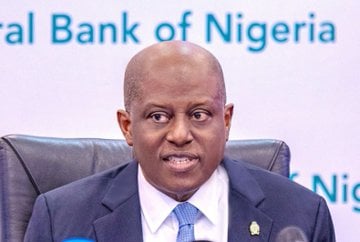
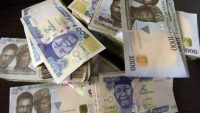
Nigeria spent $2.86 billion servicing external debt between January and August 2025, representing 69.1 per cent of the country’s total foreign payments of $4.14 billion within the period, according to fresh data from the Central Bank of Nigeria (CBN).
The figure is slightly lower than the $3.06 billion spent in the same period of 2024, when debt servicing accounted for 70.7 per cent of Nigeria’s $4.33 billion foreign outflows. Despite the $198 million reduction year-on-year, debt repayment continues to dominate the country’s external obligations, with nearly seven out of every ten dollars spent on meeting debt commitments.
The monthly breakdown shows sharp fluctuations in payments:
January 2025: $540.67m (down 3.5% from 2024)
February 2025: $276.73m (down 2.3%)
March 2025: $632.36m (up 129%)
April 2025: $557.79m (up 159%)
May 2025: $230.92m (down 73%)
June 2025: $143.39m (up 182%)
July 2025: $179.95m (down 66.8%)
August 2025: $302.3m (up 8%)
This volatility underlines Nigeria’s erratic repayment schedule, though the overall burden remains consistently high.
Debt servicing is expected to rise further. Fitch Ratings recently projected that Nigeria’s external debt payments will climb to $5.2 billion in 2025, up from $4.7 billion in 2024. This includes $4.5 billion in amortisations and a $1.1 billion Eurobond repayment due in November. Payments are expected to decline to $3.5 billion in 2026.
Fitch also flagged a brief delay in a Eurobond coupon payment in March 2025, describing it as a sign of ongoing fiscal challenges. It warned that while Nigeria’s debt levels—projected to remain at about 51 per cent of GDP in 2025 and 2026—are moderate, weak revenue performance and high interest costs pose serious risks.
According to the agency, general government revenue-to-GDP is projected to average just 13.3 per cent in 2025–2026, while interest payments will consume more than 30 per cent of revenue. For the Federal Government specifically, interest costs could absorb nearly half of all income.
The dominance of debt servicing in Nigeria’s foreign obligations continues to highlight the country’s vulnerability, leaving fewer resources available for critical imports and investments.

Featured
 News MasterUpdated 5 months Ago1 Mins read
Nigeria Spent $2.86bn on External Debt in 8 Months, 69% of Total Foreign Payments — CBN
News MasterUpdated 5 months Ago1 Mins read
Share





Related Articles
Featured
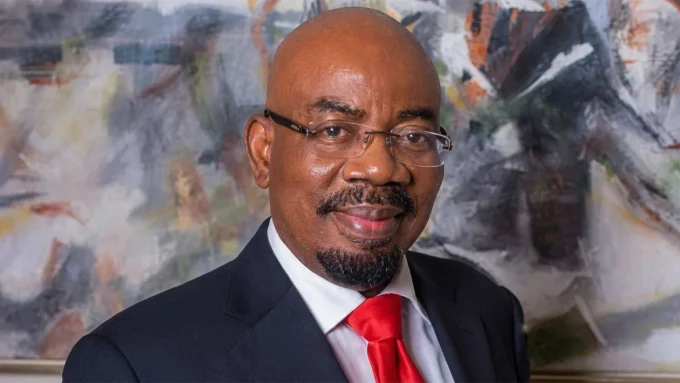
Zenith Bank Disowns Fake Investment Videos Featuring Jim Ovia
Zenith Bank Plc has alerted the public to fraudulent online investment content...

Featured
Ogun Police Warn That Spreading False Information Is a Crime
The Ogun State Police Command has reiterated that providing false information to...
Featured
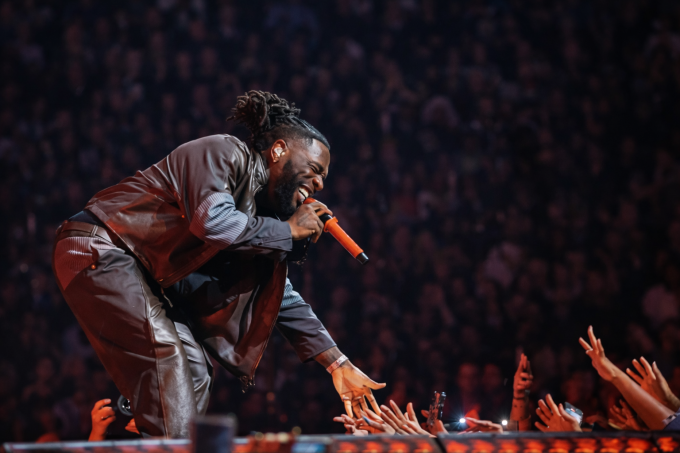
Burna Boy, Former Label Locked in Multi-Million Dollar Catalogue Dispute
A major legal battle has erupted over the ownership of Grammy-winning artiste...

Featured
MOUAU Names Professor Ursula Akanwa as New Vice-Chancellor in Historic Leadership Shift
Professor Ursula Ngozi Akanwa has been appointed as the seventh Vice-Chancellor of...


Leave a comment