The Federal Government has announced that several major policy initiatives will take effect in 2026, including a shift toward cashless payments, modernised tax administration, and expanded digital governance. These measures aim to improve transparency, streamline public services, and boost government revenue.
A new Nigeria Revenue Service (NRS) will replace the Federal Inland Revenue Service, implementing updated tax laws starting January 1, 2026. All individuals and businesses are expected to comply with the revised system.
From next year, payments for federal services such as passports, licences, and regulatory fees will be fully digital, with cash no longer accepted. Additionally, the National Single Window for Trade and Customs will become operational in the first quarter to simplify trade processes and reduce bureaucratic delays.
Other digital initiatives, including the rollout of Digital Public Infrastructure and the Nigerian Data Exchange, will enhance data sharing across government agencies, improving efficiency and service delivery. The government has also directed that most of the 2025 capital budget be rolled over to complete ongoing projects, ensuring a focus on continuity rather than new expenditures.
These reforms reflect the government’s broader strategy to modernise operations, strengthen governance, and support economic growth as Nigeria enters 2026.

Business
 News MasterUpdated 3 months Ago1 Mins read
FG to Launch Digital Payments and Tax Reforms in 2026
News MasterUpdated 3 months Ago1 Mins read
Share





Related Articles

Business
Dr Uche Ogah Inaugurated as Co-Chairman of Michael Okpara University Business School, Pledges Global Standards & Support
Dr Uche Ogah has been officially inaugurated as the Co-Chairman of the...
Business
OPEC+ Boosts Oil Output Amid Rising Middle East Tensions
The Organisation of Petroleum Exporting Countries and its allies (OPEC+) have agreed...
Business
Eno Seeks Federal Support, Studies Agricultural Models to Boost Akwa Ibom
Governor Umo Eno of Akwa Ibom State has highlighted his recent visit to President...
Business
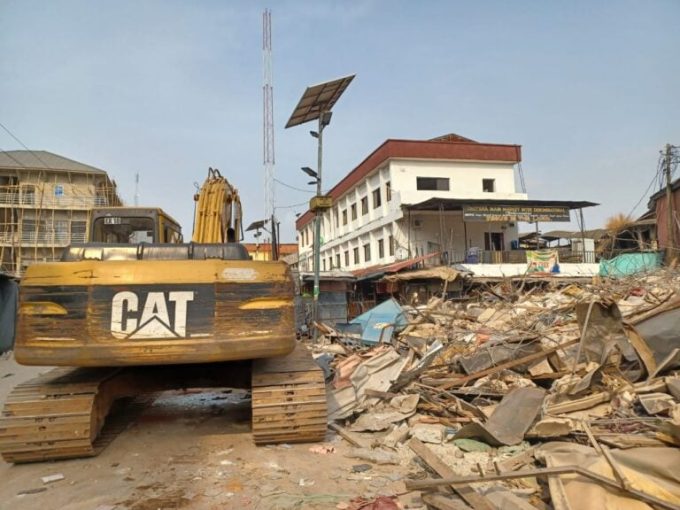
Traders Raise Alarm Over Onitsha Market Demolition
The demolition of unapproved structures at the Onitsha Main Market in Anambra...




Leave a comment