Senior figures in Nigeria’s electoral and governance space have expressed concerns over the country’s readiness to adopt real-time electronic transmission of election results, noting that existing systems and infrastructure are not yet adequate.
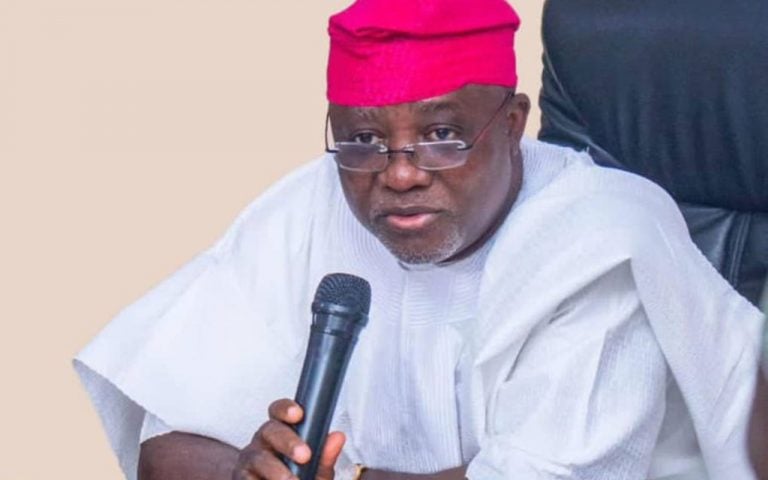
Abiodun Ajiboye, Executive Secretary of the National Institute of Cultural Orientation, highlighted that Nigeria currently lacks the telecommunications and power infrastructure necessary to support live transmission of results from polling units. He pointed out that, since elections are still largely conducted through manual voting and collation, mandating electronic reporting could be impractical and destabilising at this stage.
Ajiboye also noted that limited network coverage in rural areas and frequent power outages make real-time digital reporting unrealistic. Experts warn that rushing into e-transmission without addressing these gaps could disenfranchise voters and expose the electoral process to technical failures.
The debate comes amid discussions on amending the Electoral Act to clarify procedures for result reporting. A proposal to mandate instantaneous electronic uploads was removed, allowing the electoral commission flexibility in determining how results are transmitted. While this aims to accommodate current limitations, critics caution that it may prolong result announcements and reduce transparency.
Stakeholders continue to call for investments in infrastructure and clear guidelines to ensure that future elections can leverage technology effectively without compromising credibility or inclusiveness.

Politics
 News MasterUpdated 3 hours Ago1 Mins read
“Real-Time Election Results Still a Challenge as Nigeria Struggles with Tech Gaps”
News MasterUpdated 3 hours Ago1 Mins read
Share





Related Articles
Politics
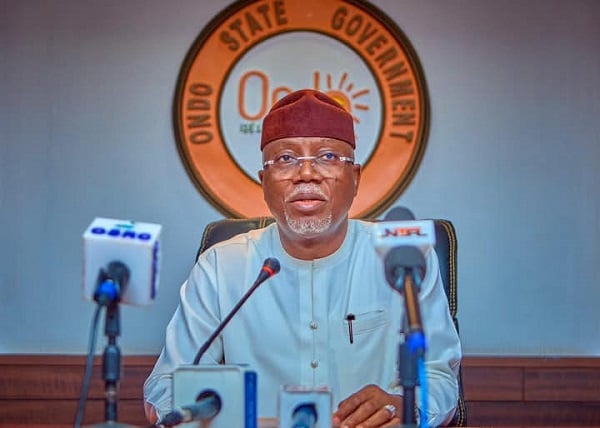
Ondo State Governor Lucky Aiyedatiwa Appoints 32 New Permanent Secretaries in Civil Service Shake‑Up
The Ondo State Governor, Lucky Aiyedatiwa, has approved a large‑scale appointment of...
Politics
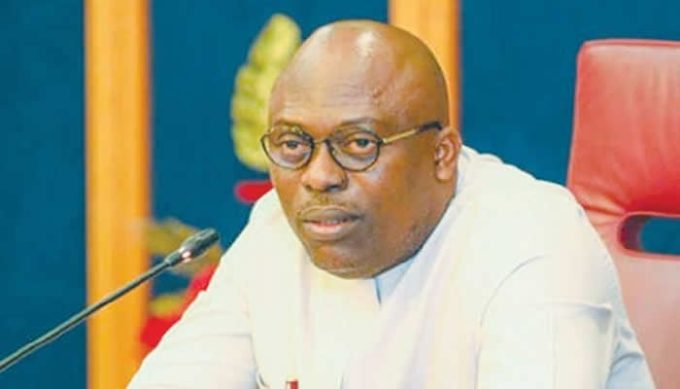
APC Says Formal Welcome for Fubara Will Happen When Timing Is Right
The All Progressives Congress (APC) has clarified why Rivers State Governor Siminalayi...
Politics
Timi Frank Raises Alarm Over Nigeria’s Electoral Act, Appeals to Trump
Abuja — Comrade Timi Frank, former Deputy National Publicity Secretary of the...

Politics
IUC endorse Lucky Johnson applause leadership ahead of 2027
The Isuikwuato Youth Coalition (IUC) has publicly recognized Lucky Johnson, the Member...



Leave a comment