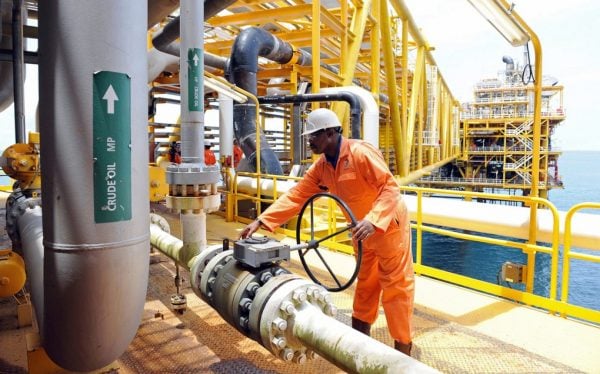
The Organisation of Petroleum Exporting Countries and its allies (OPEC+) have agreed to raise oil production quotas by 206,000 barrels per day (bpd) starting in April 2026, a decision aimed at stabilising global crude supplies amid rising geopolitical tensions in the Middle East.
The modest output increase comes as fresh conflicts involving the United States, Israel and Iran have threatened the free flow of oil through the Strait of Hormuz — a critical route for roughly one‑fifth of the world’s crude exports — and driven prices higher. Analysts say boosting production is meant to reassure markets struggling with the risk of supply bottlenecks.
The OPEC+ announcement ended a three‑month pause in production hikes and reflects a cautious balancing act: adding barrels to ease supply concerns while avoiding oversupply in a market already reacting to geopolitical uncertainties.
Key participating producers — including Saudi Arabia, Russia, the UAE, Iraq, Kuwait, Kazakhstan, Algeria and Oman — highlighted that the increase represents a small fraction of global oil demand, noting that physical access to shipping routes remains crucial to energy markets’ stability.
Market watchers will be watching closely how these quota adjustments interact with broader tensions in the Middle East, particularly since disruptions to shipping and trade routes have already contributed to climbing oil prices and inflation concerns globally.

Business
 News MasterUpdated 2 hours Ago1 Mins read
OPEC+ Boosts Oil Output Amid Rising Middle East Tensions
News MasterUpdated 2 hours Ago1 Mins read
Share




Related Articles

Business
Eno Seeks Federal Support, Studies Agricultural Models to Boost Akwa Ibom
Governor Umo Eno of Akwa Ibom State has highlighted his recent visit to President...
Business
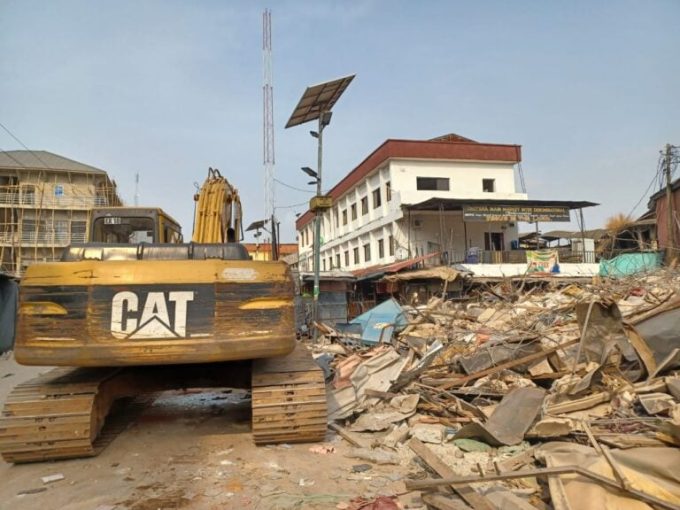
Traders Raise Alarm Over Onitsha Market Demolition
The demolition of unapproved structures at the Onitsha Main Market in Anambra...
Business
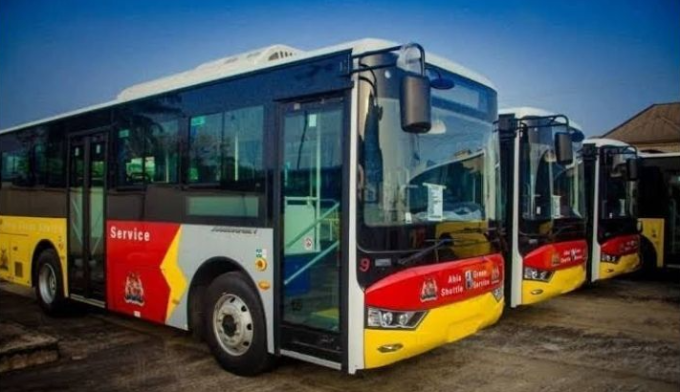
Abia State Introduces Cashless Payment for Green Shuttle Buses
Abia State has rolled out a new cashless fare system for its...
Business
Motorists Struggle as Lagos Airport Switches to Cashless Toll Payments
Motorists and passengers faced long delays at Murtala Muhammed International Airport in...



Leave a comment