Nigeria’s economy is facing renewed fiscal and inflationary pressure as rising geopolitical tensions in the Middle East push global oil prices towards the $100-per-barrel mark and beyond.
The latest trigger came from a directive by former U.S. President Donald Trump ordering a naval blockade of the Strait of Hormuz, one of the world’s most critical oil transit routes. The move has unsettled global commodity markets, with analysts warning that crude oil prices could surge as high as $127 per barrel.
Market watchers are already projecting oil prices to remain above $100 in the second quarter of the year, according to analysts at JPMorgan Chase, before potentially easing later.
Despite a recent dip in crude prices to around $90 per barrel, fuel prices in Nigeria have remained elevated. Premium Motor Spirit (petrol) continues to sell at about N1,300 per litre, while diesel hovers near N2,000 per litre, highlighting the “rockets and feathers” effect, where prices rise quickly but fall slowly.
The renewed tensions are expected to increase cost pressures for refiners, including the Dangote Petroleum Refinery, potentially pushing petrol prices to N1,500 per litre or higher if crude continues to climb.
The development is also fueling concerns about rising living costs. The World Bank, in its latest Nigeria Development Update, recommended issuing more import licences to boost competition in the downstream sector and stabilise prices. However, the suggestion has drawn criticism from local economists who argue it could reverse ongoing reforms and weaken investor confidence.
Founder of the Centre for the Promotion of Private Enterprise (CPPE), Dr Muda Yusuf, warned that such a move would undermine market stability and signal a policy reversal.
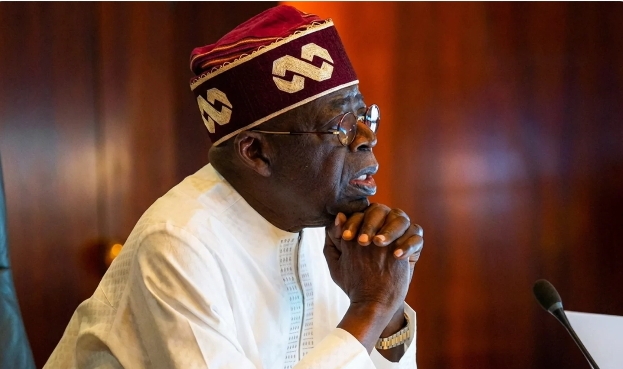
President Bola Tinubu has maintained a firm stance on economic reforms, resisting calls for subsidy reinstatement despite growing public pressure. While reforms have improved Nigeria’s fiscal outlook, they have also contributed to a prolonged cost-of-living crisis.
Although inflation has shown signs of easing, dropping to around 15 per cent, fuel price increases remain a major driver of economic hardship. Petrol prices have surged by over 50 per cent since March, while diesel costs have nearly doubled, significantly impacting transportation and production expenses.
Globally, the situation remains volatile. Brent crude prices have climbed from about $95 per barrel amid fears of supply disruptions. The Strait of Hormuz, which handles nearly 20 per cent of global oil shipments, has seen a sharp decline in vessel traffic, with reports indicating that hundreds of ships are stranded due to uncertainty and security risks.
For Nigeria, the impact is immediate. As an import-dependent economy for refined petroleum products, fluctuations in global oil prices directly affect domestic fuel costs and inflation.
The Dangote refinery, now a key player in Nigeria’s deregulated downstream sector, continues to adjust its ex-depot prices in line with global trends. The facility, which supplies a significant portion of the country’s daily petrol demand, remains partly dependent on imported crude due to limited local supply, tying its pricing structure to international markets.
Energy experts say while higher oil prices could boost Nigeria’s foreign exchange earnings, they also pose serious risks. Rising fuel costs are expected to increase inflation and strain household budgets further.
Energy economist Wumi Iledare noted that Nigeria cannot escape the effects of global oil market volatility, stressing that domestic prices will continue to reflect international benchmarks.
Similarly, Dr Ayodele Oni highlighted the dual impact of rising oil prices, potential revenue gains on one hand, and worsening inflation on the other.
He warned that sustained tensions around the Strait of Hormuz could weaken investor confidence at a time Nigeria needs increased capital inflows.
As global uncertainty persists, analysts say Nigeria faces a delicate balancing act between sustaining economic reforms and protecting citizens from the harsh effects of rising fuel prices and inflation.

Business
 News MasterUpdated 4 days Ago2 Mins read
Nigeria Faces Inflation, Fiscal Pressure as Oil Prices Eye $100+ Amid Global Tensions
News MasterUpdated 4 days Ago2 Mins read
Share






Related Articles
Business
NDDC Rejects Claims of Favouritism in Allocation of Jobs and Projects
The Niger Delta Development Commission has dismissed allegations suggesting that employment opportunities...

Business
Nigerian Airlines Issue Shutdown Ultimatum Over Escalating Aviation Fuel Crisis
Nigeria’s domestic aviation sector is facing a looming disruption as airline operators...

Business
PoS Agents Kick Against New CBN Rule, Demand Immediate Reversal
Point-of-sale (PoS) operators across Nigeria have voiced strong opposition to a new...

Business
Customs Unveils New Strategy to Raise ₦400bn from Excise Duties in 2026
The Nigeria Customs Service has rolled out a fresh plan aimed at...




Leave a comment